
Quick answer: Small clinics and dental practices in Canada usually finance new medical equipment through equipment leases, sales-leaseback/refinancing, equipment lines of credit, and—sometimes—term or unsecured business loans . For most owners, a lease structured around cash flow is the cleanest way to get modern equipment without draining working capital.
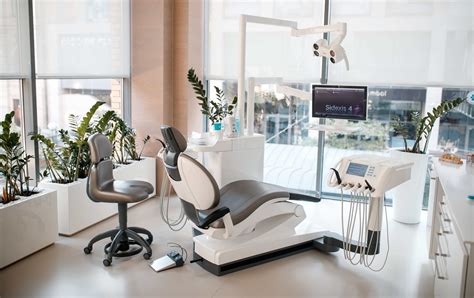
Financing Options for Canadian Clinics and Dental Practices Buying New Medical Equipment
Below, we’ll walk through each option in plain language, the pros and cons for a typical clinic or dental office, and how lenders actually look at these deals behind the scenes.
Why equipment financing matters so much for small clinics and dentists
Small medical clinics and dental practices are capital-intensive but cash-flow sensitive. You need the same core technology as the big players—chairs, digital X-ray, CBCT, sterilizers, treatment lights, autoclaves, ultrasound, EMR hardware—but you don’t have their balance sheet.
A few realities in Canada:
- Offices of physicians and dentists are usually small private businesses or group practices, not hospitals.(Statistics Canada)
- In 2021, Canada had over 23,000 dentists and more than 96,000 oral health professionals—a lot of small clinics competing on patient experience and technology.(Statistics Canada)
- A digital dental X-ray system or panoramic unit can run from a few thousand dollars for basic used gear to well over $100,000 for newer 2D/3D units.(Bimedis)
At the same time, Canada’s asset-based financing and leasing sector helps finance around a quarter of new machinery and equipment investment, with roughly 60% of customers being small and medium-sized businesses.(Mondaq)
Put it together and you get a simple truth:
If you run a clinic or dental practice in Canada, chances are your next major equipment purchase will be financed—likely through a lease or other asset-based structure rather than a traditional bank loan alone.
Option 1: Equipment leasing – usually the best fit for new medical gear
Equipment leases let small clinics and dental practices spread the cost of new equipment over 3–7 years, using the equipment itself as the main collateral. That’s why leasing is usually the first option to explore for chairs, imaging, sterilization, and most diagnostic equipment.
You can see Mehmi’s overview of how this works here: Equipment Financing – Overview.
How an equipment lease works for a clinic or dentist
The mechanics are straightforward:
- You choose the equipment – for example, two treatment chairs, a digital pan, and a new sterilizer.
- The lessor (like Mehmi) buys the equipment from your vendor.
- You lease it back over a fixed term, typically 36–84 months.
- At the end of the term, you either buy, upgrade, or return the equipment, depending on the lease type.
Because the lease is tied to the actual asset, underwriting focuses heavily on:
- The nature and age of the equipment
- Your clinic’s cash flow and time in business
- The owners’ experience (e.g., years in practice)
Mehmi focuses on financing tangible, revenue-generating gear across many sectors; their list of Eligible Equipment includes medical, dental, and aesthetic equipment commonly found in clinics.
Common lease structures for clinics and dentists
Most deals fall into one of three buckets:
- FMV (fair market value) lease
- Lowest monthly payments.
- At end of term you can buy the equipment at its fair market value, return it, or upgrade.
- Good for fast-changing tech like digital X-ray, CBCT, ultrasound, and lab analyzers.
- Fixed-percentage / 10% buyout lease
- Medium payments.
- You know the end-of-term buyout in advance (e.g., 10% of original cost).
- Works well when you probably want to own the equipment, but still like some flexibility.
- $1 buyout lease
- Highest monthly payments.
- You effectively own the equipment at the end for a token amount.
- Suited to assets with a long useful life and slower tech change, like chairs, cabinetry, sterilizers, and some aesthetic devices.
Mehmi’s Equipment Leases page digs into these structures in more detail.
Why leases make sense in healthcare settings
For clinics and dental offices, leasing lines up with how you actually operate:
- Match cost to revenue – You pay for the equipment over time as you bill patients or insurers, rather than tying up six figures in cash on day one.
- Protect your bank line – Leases sit alongside your bank operating line, so you still have room for payroll, rent, and everyday expenses.
- Easier upgrades – When tech changes, it’s generally easier to roll into a new lease than to sell an old asset you own outright.
- Tax treatment flexibility – You and your accountant can decide whether to treat it more like a rental expense or capital asset (always get tax advice specific to your situation).
Contrarian take: too many clinics still treat equipment as a “buy it once in cash” decision. In reality, if the tech will be obsolete before the end of its economic life, it often makes more sense to lease and plan for a scheduled upgrade.
Option 2: Refinancing and sales-leaseback of equipment you already own
If your clinic or dental practice already owns expensive equipment—maybe you bought a digital pan or ultrasound machine a few years ago—there may be equity trapped in those assets that you can use today.
That’s where refinancing or a sales-leaseback comes in.
You can explore this route with Mehmi’s Refinancing or Sales Leaseback service.
How a sales-leaseback works
In a typical sales-leaseback:
- You sell existing equipment to the finance company at an agreed value.
- You immediately lease the same equipment back over a new term.
- You keep using the gear with no interruption.
- You receive a cash injection that can be used for:
- New equipment
- Renovations and fit-outs
- Marketing or staffing
- Paying down more expensive short-term debt
This is especially powerful for:
- Dentists who paid cash for chairs and imaging during early years.
- Medical clinics that used a high-rate loan or credit card during a crunch.
- Aesthetic clinics that bought lasers upfront to lock in early discounts.
The sales-leaseback turns those sunk costs into usable working capital, while keeping your equipment in place and insured.
When refinancing makes sense (and when it doesn’t)
Refinancing or sales-leaseback can be smart when:
- Your existing debt is short-term and stressful (e.g., high monthly payments).
- You want to extend the amortization to smooth cash flow.
- The equipment still has many productive years left.
It’s less attractive when:
- The equipment is near end-of-life and maintenance costs are rising.
- You expect to replace it within 1–2 years.
- The asset has limited resale value (very niche or outdated).
In those cases, you may be better off leasing new equipment and retiring the old unit instead of re-leveraging it.
Option 3: Equipment lines of credit and asset-based lending for growing practices
If you’re running a multi-chair dental office, a multi-location group practice, or a clinic that’s steadily adding treatment rooms or services, one-off leases can start to feel like too many moving pieces.
For that stage, equipment lines of credit and asset-based lending (ABL) can simplify life.
Equipment line of credit
An equipment line of credit gives you a pre-approved limit dedicated to equipment and related costs. You draw on it as needed, and each draw converts into a term schedule.
This is useful when you:
- Plan to add treatment rooms over 12–24 months.
- Are rolling out new diagnostic technology across multiple locations.
- Want predictable approvals without starting from scratch each time.
You can see how this works on Mehmi’s Equipment Line of Credit page.
Asset-based lending (ABL) for larger healthcare groups
Asset-based lending ties your borrowing limit to the value of a pool of assets—primarily equipment, sometimes receivables or inventory.(cfla-acfl.ca)
For larger practices, ABL can:
- Offer higher overall limits than individual leases.
- Let you add assets under a master facility instead of a new lease each time.
- Provide some flexibility to finance related items (e.g., IT infrastructure) that support patient care.
You can learn more about how Mehmi approaches these structures on the Asset Based Lending page.
These tools aren’t just for big corporations—many multi-clinic dental groups and specialty practices now use asset-based structures similar to other mid-sized Canadian businesses, because they scale better than one-off loans.
Option 4: Business loans and working capital products (when to use them)
While leasing should usually finance the equipment itself, small clinics and dental practices also have non-equipment costs:
- Build-outs and leaseholds
- Marketing campaigns to fill extra chairs
- Hiring and training staff
- Covering cash flow while insurance payments catch up
That’s where traditional business loans and working capital products come in. Banks like BDC highlight that equipment loans and term financing can sometimes cover up to 125% of the cost to include shipping, installation, and training.(BDC.ca)
Mehmi offers several complementary products on its Business Loans – Overview page.
Working capital loan
A working capital loan is a term facility designed to cover day-to-day operating needs rather than a specific piece of equipment.
For clinics and dental practices, this might fund:
- Additional staff while your new operatory ramps up
- Marketing and community outreach
- Short-term gaps when payor reimbursements are slow
You can explore this option via Mehmi’s Working Capital Loan.
Business line of credit
A revolving line of credit is like a reusable overdraft:
- You draw when needed, repay as cash comes in, and reuse the limit.
- Interest is charged only on what you use.
It’s not ideal for buying a six-figure CBCT, but it’s perfect for smoothing uneven cash flow. Mehmi outlines this on its Line of Credit page.
Secured and unsecured loans
Some clinics prefer a secured term loan (backed by assets) or an unsecured loan (no specific collateral, but relying on cash flow and credit scores):(BDC.ca)
- Secured loans usually come with larger limits and better rates, but more documentation and broader collateral. See Mehmi’s Secured Loan.
- Unsecured loans move faster and don’t tie up specific assets, but come with higher rates and lower limits—suitable for smaller projects. See Unsecured Loan.
A word on merchant cash advances and similar products
Merchant cash advances and ultra-short-term online loans can be tempting when you need money tomorrow. They’re sometimes marketed to healthcare and dental practices.(SBS SPE)
My blunt view:
For most clinics and dental practices, a merchant cash advance should be a last resort, not a first option.
The effective cost is often far higher than a normal loan or lease. If you’re considering one, talk to a lender or advisor who can compare it with more sustainable options. Mehmi does offer Merchant Cash Advance solutions, but only where the math genuinely works and as part of a broader plan.
Comparing your main financing choices
Here’s a simplified comparison of your main options when buying new medical or dental equipment:
You can play with numbers and terms for your own situation using Mehmi’s online Calculator.
BDC’s equipment-financing guide emphasizes the complete financing structure when comparing offers.
“Don’t focus only on interest rates”
For the equipment decision discussed here, compare the amount financed, payment schedule, collateral and remaining obligations alongside the quoted rate.
What lenders look at when clinics and dentists apply
Whether you work with a bank, BDC, or a specialist like Mehmi, the credit questions are similar. Canadian financing guides emphasize that you need a clear purpose, realistic projections, and supporting documentation.(BDC.ca)
For a small clinic or dental practice, underwriters will typically focus on:
1. Business profile
- What type of clinic or dental office are you? (general practice, specialty, walk-in, aesthetic, etc.)(Statistics Canada)
- How long have you been operating?
- How many operatories or treatment rooms?
Mehmi works across many sectors; you can see the range on their Industries page.
2. Owners’ experience
- Are the owners licensed clinicians (physicians, dentists, hygienists, nurse practitioners, etc.)?
- How many years in practice?
- Any previous ownership or management experience?
If you’re a startup clinic, this can matter more than your current financials.
3. Financial strength and cash flow
- Past financial statements and/or tax returns
- Recent bank statements
- Current debt obligations and leases
- Personal credit profiles for guarantors
Lenders are mainly asking: “Will this clinic comfortably make the payments?”
4. The equipment and project itself
- Exactly what you’re buying, from which vendor, at what price
- Whether it’s new or used, and the expected useful life
- How it will generate or protect revenue (e.g., adding an operatory, reducing referrals out)
Lenders like BDC emphasize that a strong equipment financing proposal clearly links the gear to future cash flow.(BDC.ca)
5. Security and structure
- Is the lease/loan secured primarily by the equipment?
- Are personal or corporate guarantees required?
- Is there cash down or a residual/buyout at the end of term?
This is where working with a specialist can pay off. Mehmi’s team lives in these structures every day and can help ensure your security package is appropriate, not excessive. You can learn more about the team on the About Us page.
Step-by-step game plan for your next equipment purchase
Here’s a practical roadmap you can follow as a clinic owner, dental partner, or practice manager.
1. Map out what you actually need
List the equipment and related costs—chairs, imaging, software, installation, training, and any minor renovations. This helps you see what should be leased versus financed another way.
2. Decide on your primary structure
For most clinics and dentists:
- Use an equipment lease (FMV, 10% buyout, or $1 buyout) for the core equipment.
- Consider a sales-leaseback if you have existing assets and need extra cash.
- Add a working capital loan or line of credit for softer costs and operating buffer.
3. Gather basic documents early
Even fast-moving lenders need some paperwork. Typically:
- Recent financial statements (or tax returns) if available
- 3–6 months of business bank statements
- A copy of your clinic’s corporate documents
- A vendor quote detailing make, model, serial numbers, and pricing
Having this ready can shave days off the process.
4. Build a simple case for the upgrade
You don’t need a 30-page business plan. A one-page summary can do the job:
- What you’re buying
- Why you’re buying it (capacity, efficiency, patient experience)
- How it affects revenue and profitability
This aligns with BDC’s guidance that your financing request should clearly explain what you need, why you need it, and how you’ll repay it.(BDC.ca)
5. Talk to a specialist, not just your bank
Banks and credit unions are crucial partners, but they aren’t always optimized for equipment-heavy health businesses. Asset-based finance is literally built around paying off equipment over time, with the asset as security.(cfla-acfl.ca)
Mehmi focuses on this space, from Equipment Financing to tailored Business Loans, and can walk you through structures your primary bank might not offer.
6. Stress-test your cash flow
Before you sign:
- Run the lease or loan payment numbers through Mehmi’s Calculator.
- Check that you can still comfortably cover rent, payroll, and supplies even if volume dips for a few months.
7. Plan future upgrades now
Finally, put a note in your calendar for 6–12 months before your lease ends. That’s the ideal time to:
- Review whether to buy out, return, or upgrade
- Reassess your clinic’s growth and upcoming technology needs
Mehmi’s Blog and FAQ sections are good places to keep an eye on financing trends that affect this decision.
If you want help mapping the whole plan out, you can always reach out through Contact Us.
Case study: A two-chair dental practice upgrades to digital imaging
Background
A two-chair general dental practice in suburban Alberta had been using film X-rays and an older analog pan. The owner wanted to:
- Upgrade to digital intraoral sensors and a digital pan,
- Add a third chair within 18 months, and
- Improve patient experience and efficiency for hygiene and restorative work.
Cash in the bank was healthy but earmarked for taxes and a potential satellite location in a few years. The owner didn’t want to wipe out savings for equipment.
Equipment wish list
- 2 digital intraoral sensors
- 1 digital panoramic unit
- 1 new chair + delivery unit
- Sterilization upgrades and small instruments
Total project cost from the vendor came to $210,000, including installation, training, and warranty.
Financing structure
Working with a Mehmi advisor, they implemented a layered solution:
- Primary equipment lease
- All major equipment (sensors, pan, chair, sterilization) bundled into a 72-month lease with a 10% end-of-term buyout.
- Monthly payments sized to fit within 12–13% of the clinic’s average monthly collections.
- Working capital loan
- A 3-year working capital loan covered the vendor’s required deposit, minor electrical work, and a modest marketing campaign to promote “Digital Smile Imaging” services.
- Plan for future expansion
- The owner and advisor agreed that, if growth continued, they’d explore an Equipment Line of Credit for the planned third chair and a scanner 18–24 months later.
Outcomes
Within 6 months of install:
- Hygienists were turning rooms faster thanks to digital imaging.
- Case acceptance improved because patients could immediately see images on screen.
- The clinic increased production enough that the new monthly lease and loan payments felt manageable rather than stressful.
The key: they didn’t burn cash reserves on equipment. Instead, they used equipment leasing and a working capital loan to match payments to revenue, while keeping bank credit available for future opportunities.
Authoritative references
- Innovation, Science and Economic Development Canada — Canada Small Business Financing Program:
The Canada Small Business Financing Program makes it easier for small businesses to get loans from financial institutions by sharing the risk with lenders.
Program eligibility, lender criteria, tax treatment, and product terms can change. Verify current official guidance and the final financing documents before making a decision.
FAQ: Financing new medical and dental equipment in Canada
1. What’s usually the best way for a small clinic or dental office to finance equipment?
For most practices, an equipment lease with a healthcare-savvy finance provider is the best starting point. It ties repayments to the life and revenue of the equipment, preserves cash, and keeps your bank line free. Mehmi’s Equipment Financing and Equipment Leases are designed around this approach.
2. Can a brand-new clinic or dental startup get financing without full financial statements?
Yes, but the lender will lean heavily on:
- The owners’ professional and business experience,
- A realistic business plan, and
- Personal credit strength and available cash.
Startup clinics often start with smaller initial leases and build up to larger facilities as they develop a track record. Having a good vendor quote and a clear plan for patient flow helps.
3. Should I use my bank line of credit to pay for equipment?
Using a bank line for small items (e.g., a laptop, a $5,000 sterilizer) is fine. But for big-ticket items like a CBCT or a full operatory, it’s usually better to:
- Finance the equipment itself with a lease or equipment-secured facility, and
- Reserve your line of credit for payroll, supplies, and day-to-day working capital.
This avoids tying up your main safety net in long-term assets. Mehmi’s Line of Credit page explains how a revolving facility fits alongside leases.
4. How much down payment do I need for a medical or dental equipment lease?
It depends on ticket size, type of equipment, credit strength, and whether you’re a startup or established practice. Some strong borrowers can get $0 down structures; others may put 10–20% down to improve approval chances or lower payments.
A common pattern is something like a 72-month lease with a modest down payment and a small residual/buyout. A Mehmi advisor can show you options side by side using their Calculator.
5. Can I finance software, installation, and training as well as the equipment?
Yes, often you can. Banks like BDC note that some equipment financing products can cover more than 100% of the purchase price to include shipping, installation, and training costs.(BDC.ca)
In practice, specialist lenders like Mehmi will usually:
- Include many “soft costs” in the equipment lease, or
- Combine the lease with a Working Capital Loan if the extras are substantial.
6. Where can I learn more about Mehmi’s process and whether I qualify?
You can explore:
- Equipment Financing for an overview of lease options
- Business Loans to see working capital and loan products
- FAQ for quick answers
- Blog for real-world scenarios and tips
- Contact Us to speak directly with an advisor
They’ll walk you through what’s realistic based on your size, specialty, and goals—without forcing you into a one-size-fits-all product.
Internal links used
- related Mehmi financing page
- related Mehmi financing page
- related Mehmi financing page
- related Mehmi financing page
- related Mehmi financing page
- related Mehmi financing page
- related Mehmi financing page
- related Mehmi financing page
- related Mehmi financing page
- related Mehmi financing page
- related Mehmi financing page
- related Mehmi financing page
- related Mehmi financing page
- related Mehmi financing page
- related Mehmi financing page
- related Mehmi financing page
- related Mehmi financing page
- related Mehmi financing page
External citations used
- Statistics Canada – NAICS 6211 and 6212 industry descriptions for offices of physicians and offices of dentists (definition of clinics and dental practices).(Statistics Canada)
- Statistics Canada – “Oral health professionals in Canada, 2021” (96,520 oral health professionals, 23,475 dentists).(Statistics Canada)
- Canadian Finance & Leasing Association / legal commentary – asset-based financing and leasing in Canada finances up to ~25% of new equipment investment, with ~60% of customers being SMEs.(Mondaq)
- Dental X-ray equipment cost ranges from refurbished entry-level units to high-tier 2D/3D systems exceeding $100,000.(Bimedis)
- BDC – “Equipment financing 101: Everything you need to know” and related guides (financing up to 125% of equipment cost, plus proposal tips and buy vs lease comparisons).(BDC.ca)
- Government and business-financing guidance on types of business loans and the importance of matching loan type to project needs.(BDC.ca)