

Why does one equipment financing application move ahead while another stalls? Lenders look beyond the asset: they assess your business’s cash flow, credit profile and ability to repay. Here’s what Canadian businesses can prepare, and what to ask before signing.
We analyzed 54 comments and questions from Reddit, YouTube and Quora about equipment financing requirements and found that 35% mentioned alternative financing sources.
How Lenders Assess Business Eligibility
Equipment financing requirements vary by lender and by transaction. Most reviews bring together the business’s financial health, the owner’s credit profile and the equipment’s value. A strong application explains how the asset will support work that can repay the financing.
Cash flow matters because your business still needs money for payroll, stock, rent and other bills while making equipment payments. Lenders may review bank activity and financial records to see whether your business can manage both. Seasonal businesses should explain when revenue comes in and how payments could fit that cycle.
Credit history is part of the picture, but it isn’t the only factor. A lender may also consider how long the business has operated, its existing debt and the asset’s resale value. If your credit is bruised or your business is new, a clear cash-flow story and suitable equipment may still help you explore options. We at Mehmi Financial Group work with businesses comparing financing based on their profile and needs, without promising a particular outcome.
Debt-to-equity is another measure lenders may review. It compares business debt with the owners’ investment and retained earnings. BDC says a ratio between 2 and 3 is generally considered good, though the right level varies by industry. That’s a guide, not a universal approval threshold. Its equipment financing overview also explains why working capital matters when taking on a new loan.
If you’re still weighing a loan against a lease, start with the asset’s useful life and whether you want to own it. Our overview of equipment purchase and leasing choices explains the basic difference.
Industry changes the details. A truck may earn revenue as soon as it’s on the road, while a production machine may need delivery and installation before it can run. A clinic’s purchase plan may need to account for fitting equipment into an existing space. In each case, show how the asset will be used and when it can support the business.
Equipment, Down Payments and Collateral
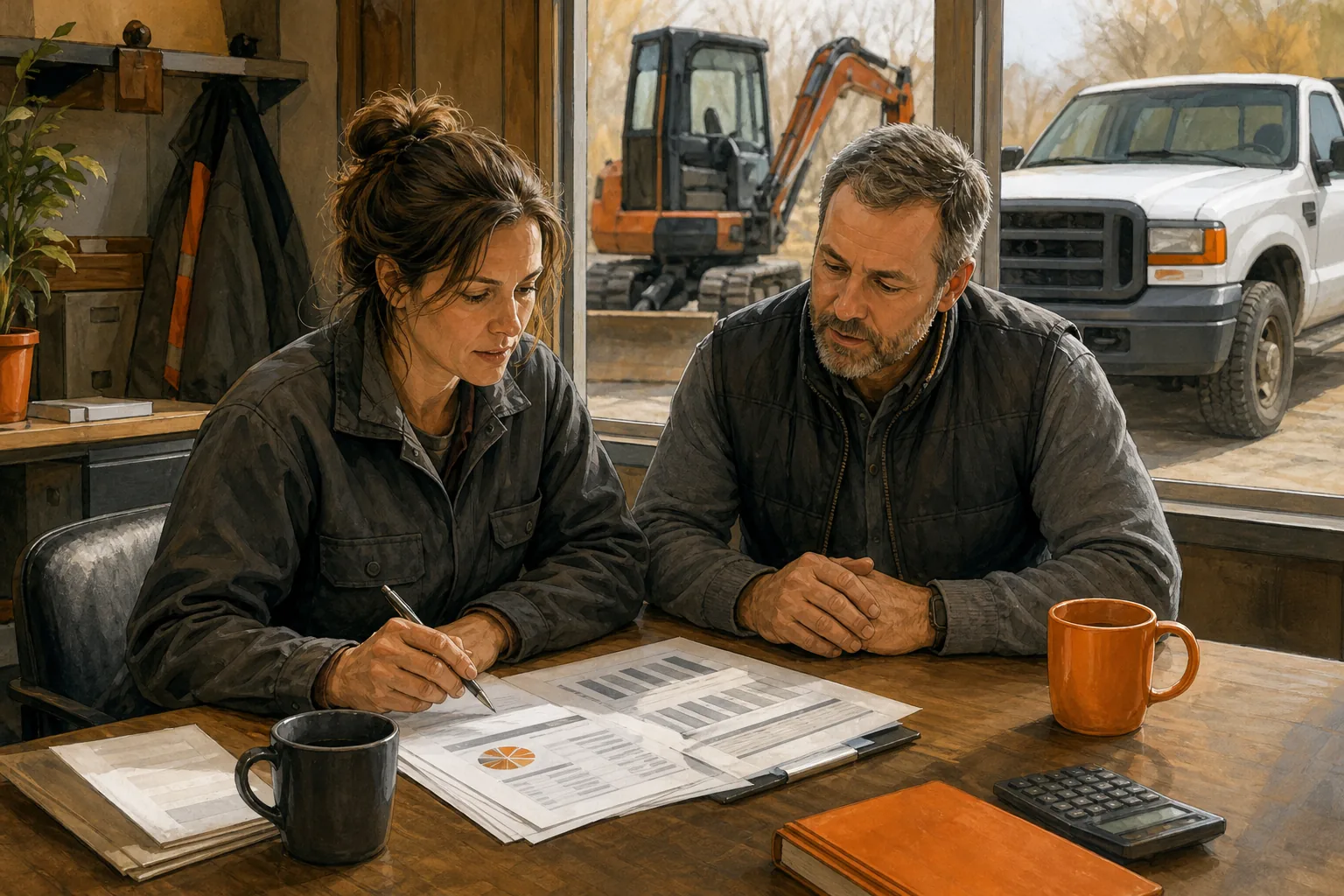
Equipment loans can cover many tangible business assets, including trucks, trailers, heavy equipment and machinery. The lender will want to know what you’re buying, what it costs and whether the asset can support the amount requested. A detailed quote helps tie the loan request to the purchase.
Include the make and model when available, along with the year, condition and seller details. Add delivery, installation and other purchase costs separately. This makes it easier to discuss which costs may fit the financing request, rather than assuming the equipment price is the only expense.
A cash contribution may be required. As a planning range, some financing guidance puts down payments at 10% to 25% of the equipment’s value, with used or specialized assets more likely to need cash upfront. That isn’t a fixed rule for every Canadian lender. The amount depends on the asset and the strength of the application. See our explanation of equipment financing down payment requirements for factors that can affect the upfront amount.
The equipment often acts as collateral, which means the lender has a security interest in it. If the borrower defaults, the lender may have rights to take the asset under the agreement. Other security may also be part of the terms, so read the full contract and ask what assets or guarantees are involved. Our page on collateral requirements for equipment financing covers the questions to raise.
Used equipment can be a fit, but age, condition and resale value can affect the lender’s view. For a private sale, ask what ownership, inspection or lien records the lender needs before you commit. Confirm the seller can provide the documents and that the asset details match the quote.
A lease is another route when you need to use equipment but don’t need to own it right away. Depending on the contract, you may return the asset, renew the lease or have a buyout option at the end. Compare the full obligations, including any residual or buyout amount, not only the regular payment.
Before you apply, make sure the equipment fits a real operating need. A machine that can’t handle the next stage of production may leave you paying for a second upgrade sooner than planned. On the other hand, paying for capacity your business won’t use can put pressure on working cash.
Ready to compare financing options for your equipment purchase? Explore equipment financing with Mehmi Financial Group. Options depend on lender review and approval.
Financing Amounts, Rates, Terms and Tax Considerations
There’s no single maximum loan amount that applies across Canadian lenders. The amount depends on the equipment’s price, the business’s finances and the lender’s program. Larger requests may need more detailed financial records or a down payment. For a major purchase, our guide to equipment financing outlines the areas to examine.
Some lenders may finance costs beyond the purchase price. BDC says eligible borrowers may be able to finance costs such as shipping, installation and training. That applies to BDC’s product, not every lender. A lender’s financing details may also note that the final rate depends on factors such as the business profile, equipment type and loan structure.
Rates can vary with the asset, the borrower’s credit and financial strength, the term and the lender. Compare the full cost, not just the interest rate. Check fees, payment frequency, prepayment terms and any variable-rate provisions. If a lease includes a residual value or buyout, include that amount in your comparison too.
Repayment terms should make sense beside the equipment’s useful life. A long-lived machine may support a longer repayment period than equipment likely to become outdated soon. Longer terms can lower regular payments, but they also keep the obligation in place for longer. Ask how the payment schedule changes the total cost.
Cash flow may rise and fall across the year. If your business has a busy season followed by quieter months, ask whether the lender can match payments to that cycle. A schedule that works during peak months may still strain the business during a slow stretch, so test it against your expected low-season cash flow.
Loan and lease tax treatment can differ. The result depends on the financing structure and your business’s situation, so don’t assume that one option creates a tax benefit for every borrower. Ask your accountant how ownership, lease payments and capital cost allowance may apply before you sign.
For a new purchase, also budget for costs beyond the equipment itself. Delivery, setup, training and downtime can affect the amount of cash the business needs. We help businesses compare financing structures around the full purchase plan, rather than focusing only on the monthly payment.
Application Process and Documents to Prepare
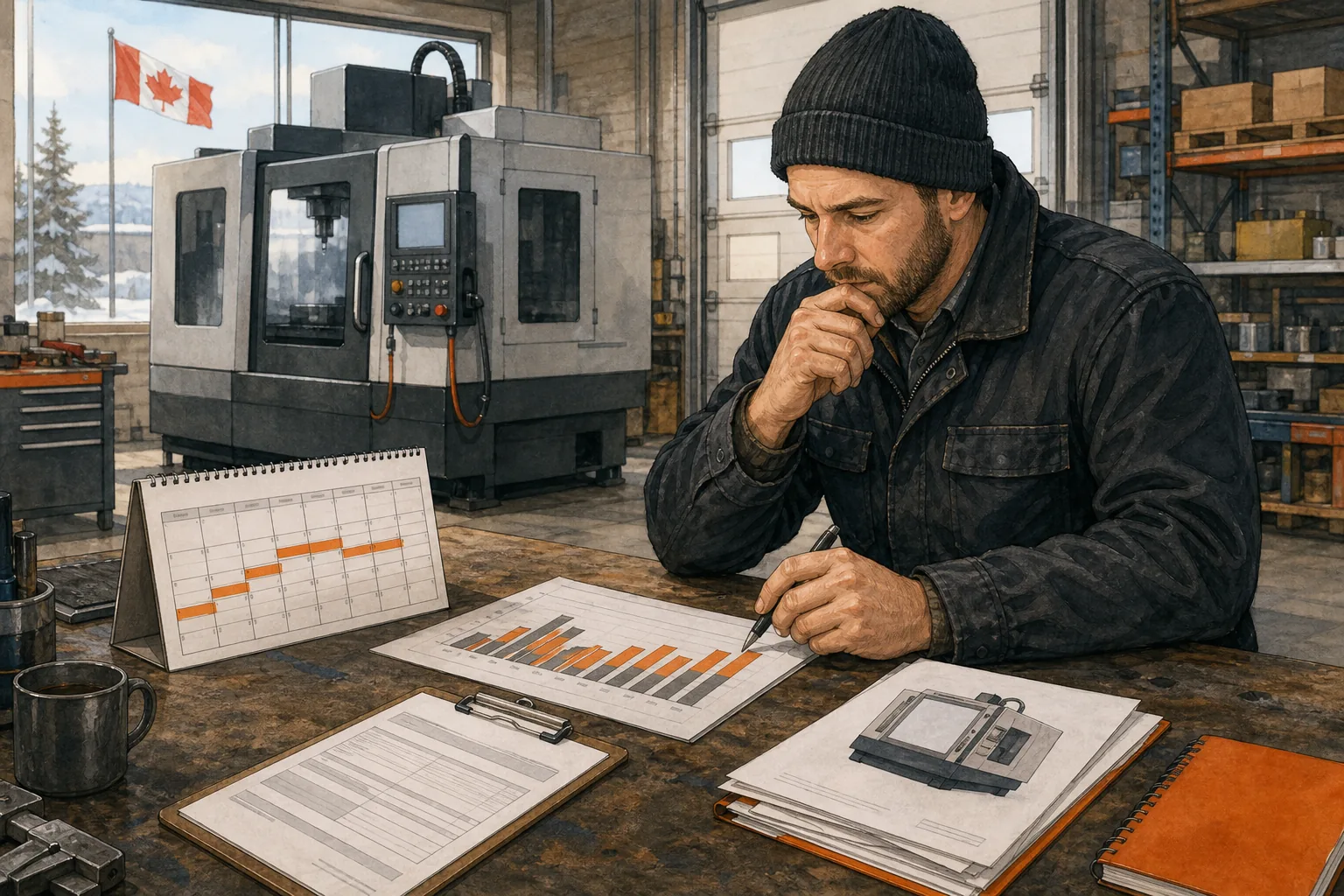
A clear application connects the equipment quote to the business’s ability to repay. Start by describing the asset, its intended use and the work or revenue it supports. Include timing for delivery, installation and any project that depends on the equipment.
Prepare the seller’s quote or invoice. It should identify the equipment, its price and the seller. If the asset is used or privately sold, ask early whether the lender needs proof of ownership, an inspection or lien information. Those details can affect how quickly the request moves.
Gather recent business bank statements and financial records. A lender may ask for three to six months of bank statements, along with business registration details and identification for the owner. Requirements differ, so confirm the exact list before sending an application. Mehmi Financial Group can help you prepare the information lenders may ask for and compare suitable options.
Have a summary of current debt and a cash-flow forecast ready. Explain how payments will fit alongside ordinary operating costs. If revenue is seasonal, show the timing of busy and quiet periods. If a contract or planned project will use the equipment, include its timing and expected role in the business.
Review your credit information before applying and make sure names, addresses and business details match across the documents. If something needs context, such as a past credit issue or a new business with a short trading record, explain it plainly. A complete, consistent file helps the lender assess the request on its merits.
Before you accept an offer, compare the payment schedule, fees, term and end-of-agreement obligations. Confirm who owns the equipment during the term and what happens if you want to repay early. Our equipment financing application guide covers the purchase plan and records to prepare.
There’s no need to guess what the lender expects. Ask for the document list and confirm how the lender wants each item submitted. We can help Canadian businesses prepare an application and compare financing or leasing options. Terms and availability vary, and each request remains subject to review and approval.
Frequently Asked Questions
What credit score do you need for equipment financing in Canada?
There isn’t one credit score that guarantees approval across Canadian lenders. A lender may assess the owner’s credit history alongside business cash flow, existing debt, time in operation and the equipment’s value. If your credit history has issues, prepare a clear explanation and current financial records. A qualified co-signer or stronger collateral may also help some businesses explore options.
How much of a down payment is usually needed?
A down payment can range from no upfront contribution to a meaningful share of the asset cost, depending on the lender and the application. A 10% to 25% contribution is a useful planning range, especially for used or specialized equipment, but it isn’t a universal rule. Ask what cash is due upfront and which other purchase costs can be financed.
Can a new business finance equipment?
Yes, a new business can explore equipment financing, but a short operating history may affect the lender’s review. Be ready to explain how the asset will support revenue and how payments fit the business plan. A lender may also look closely at owner credit, available cash and the equipment’s resale value. Approval and terms depend on the full application.
What documents do lenders ask for?
Lenders commonly ask for an equipment quote or invoice, business financial records and information that confirms who owns the business. They may request recent bank statements, business registration details and owner identification. Used or private-sale equipment can require added ownership or lien records. Ask the lender for its current list before submitting anything.
Is leasing easier to qualify for than an equipment loan?
Not always. A lease and a loan have different ownership structures, but lenders assess the borrower and the equipment in either case. Leasing may suit a business that wants to use equipment without owning it during the term. Compare the full payment schedule and end-of-term choices before deciding which structure fits your plans.
Conclusion
Build your request around the equipment’s purpose, your cash flow and the full cost of the purchase. Gather the quote and recent business records, then ask lenders to spell out their terms. If you want help comparing options, start with Mehmi Financial Group’s equipment financing page and prepare your purchase details.