

Could equipment your business already owns help cover a cash need without leaving the shop or job site? An equipment sale leaseback lets you sell an asset and lease it back for continued use. Here’s how the transaction works, what to check before signing, and when another form of financing may fit better.
We analyzed 34 comments and questions from Reddit and Quora about equipment sale leaseback and found that 21% mentioned the need to preserve cash flow.
What an Equipment Sale Leaseback Is and How It Works
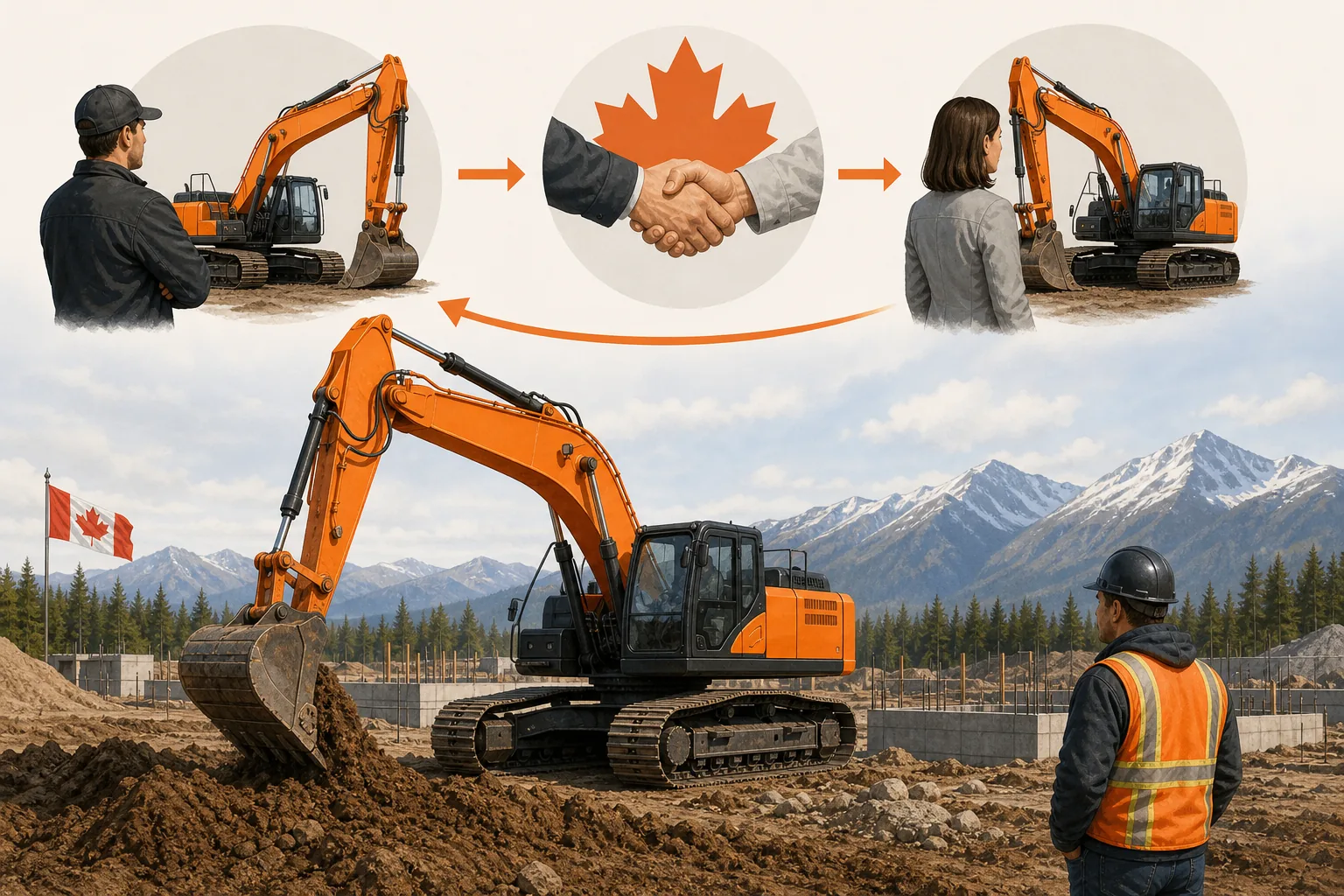
In this arrangement, your business sells equipment it owns to a financing provider. The provider pays an agreed amount, then leases the same equipment back to your business. You keep using the asset, but you take on lease payments and no longer own it under the sale structure.
The transaction usually starts with the equipment details and a review of its value. Age, condition, hours or mileage, service records and demand for similar used equipment can affect how a buyer views the asset. The provider also reviews your business and the proposed lease terms. The sale price and lease payment are tied to the specific transaction, so compare the full cost rather than focusing on the cash paid up front.
Next, the parties agree on the sale and lease documents. Review how the sale proceeds will be paid and when the lease begins. Make sure the documents state who holds title, what payments are due, and what happens if you want to end the lease early. Your business then receives the proceeds and keeps operating the equipment under the new agreement.
For example, a contractor might sell a paid-off excavator and lease it back to help fund materials for a new job. The machine stays on the site. The business has cash available, but it now has a recurring lease obligation to fit into project cash flow.
Mehmi Financial Group helps Canadian businesses compare equipment financing and leasing options. You can review its sale-leaseback financing options as one possible route for equipment you already own.
Why Businesses Use Sale-Leasebacks
The main draw is access to cash tied up in equipment. A business may need funds for payroll during a slow period, materials for a new contract, or repairs that can’t wait. If it owns productive equipment outright, selling and leasing it back can release some of that asset value without moving the machine or stopping work.
This can help preserve cash for day-to-day costs instead of using it to cover a short-term gap. It may also be useful when a growth opportunity needs upfront spending before customer payments arrive. But a one-time payment won’t fix a long-term cash shortfall on its own. The lease adds a payment obligation, so forecast whether the equipment’s work can support that cost.
Consider a trucking company with a paid-off vehicle that earns revenue on regular routes. A sale-leaseback could provide funds for a time-sensitive operating need while the truck stays in service. If that vehicle is already idle, the same deal may make little sense: the business would be paying to use equipment that isn’t earning.
Businesses also consider how the transaction may affect liquidity and reported financial measures. The accounting result depends on the lease structure and the accounting rules the business follows. Don’t assume the asset will come off the balance sheet or that a particular ratio will improve. Ask your accountant to review the proposed terms before you rely on a reporting outcome.
Mehmi Financial Group can help compare the structure with other financing routes. Its overview of the advantages of sale-leasebacks can help frame the trade-offs, but your numbers and the contract terms should guide the decision.
Before moving forward, identify the exact use for the proceeds. If the cash need is ongoing rather than tied to a defined project or short-term gap, compare options that can better match that need.
Which Equipment and Businesses May Qualify?
Eligibility depends on the financing provider, the asset and the business. Equipment with a clear resale market may be easier to assess than a custom-built asset with few likely buyers. Common assets to discuss include trucks, trailers, heavy equipment and production machinery. The business should also be able to explain how it uses the equipment and how it plans to manage lease payments.
A provider may consider the equipment’s make and model, year, condition, hours or mileage, maintenance history and current market demand. Ownership matters too. If there’s an existing loan or registered security interest, the payout and release process can affect what proceeds remain. Gather ownership records and current financing details before seeking terms.
Industry needs shape the case for a deal. A construction firm may rely on an excavator for contract work. A manufacturer may depend on a production machine to meet orders. A medical practice may need specialised equipment to keep services running, though a narrow resale market could affect how a buyer assesses value.
Farm businesses should also think about seasonality. A sale may provide cash before planting or during a gap between harvest and payment, but lease payments still come due on the schedule in the agreement. The asset’s expected use and the timing of farm income need to fit together. Mehmi Financial Group’s resource on used agricultural machinery value discusses factors that can shape an equipment financing review.
There’s no single asset list that guarantees eligibility. A lender or leasing provider reviews the full file, including the equipment and the business’s ability to meet the proposed payments. A strong asset can support a request, but it doesn’t replace that review.
Sale-Leaseback vs. a Loan or Line of Credit
These options can all provide business funds, but they work differently. With a sale-leaseback, the business sells an asset and leases it back. With equipment financing, the business borrows to buy or refinance equipment, subject to the loan agreement. A line of credit gives access to funds up to an approved limit, with terms based on the lender’s review.
| Decision point | Sale-leaseback | Equipment loan | Line of credit |
|---|---|---|---|
| Where funds come from | Sale proceeds from equipment you own | Loan proceeds for an equipment purchase or refinance | Draws against an approved credit limit |
| Equipment ownership | Provider owns the sold asset under the lease structure | Your business generally owns the equipment, subject to the loan terms | Usually not tied to selling a specific asset |
| How you repay | Lease payments on the agreed schedule | Loan payments on the agreed schedule | Repayment follows the credit agreement and amounts drawn |
| Question to ask | Will proceeds justify the cost of leasing back this asset? | Can the purchase or refinance fit the business’s cash flow? | Will a reusable credit facility suit the timing of your cash needs? |
For an equipment purchase, a loan may be a better fit if your business wants to own the asset and can manage the payments. A line of credit may suit needs that rise and fall, subject to its limit and terms. A sale-leaseback is worth comparing when the business already owns productive equipment and needs capital without taking it out of service.
Compare the total payments, fees, payment frequency and any buyout or residual amount. Ask how early payout works. Also consider what happens to your future borrowing room if the business takes on another payment obligation. Accounting treatment can affect reported liabilities.
For farm operators weighing options around agricultural equipment, Mehmi Financial Group’s Canadian agriculture equipment refinancing guide is another relevant resource. The right choice still depends on the asset, the purpose of the funds and the actual terms offered.
Lease Terms, Risks and What Happens at Lease-End
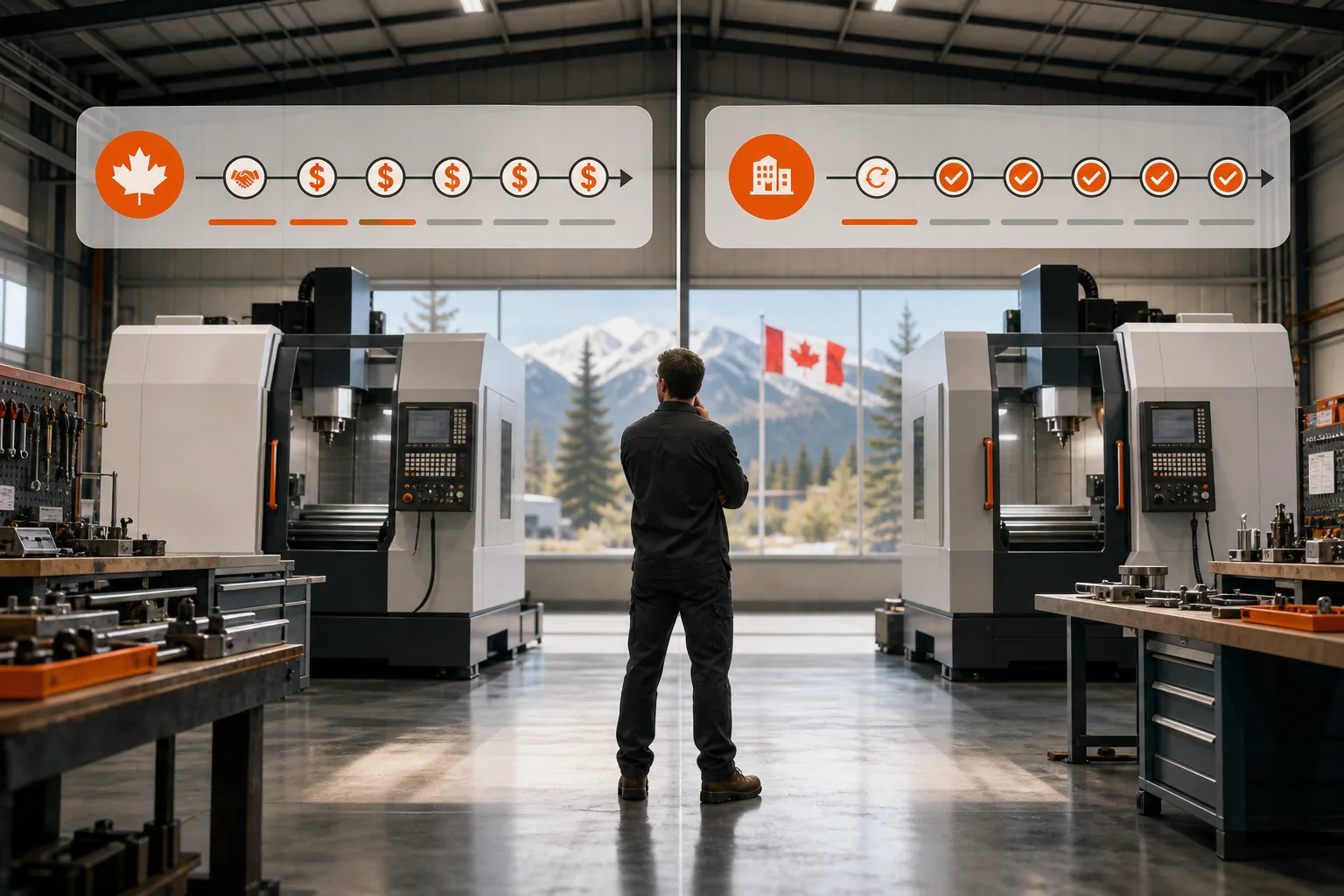
Read the agreement before focusing on the cash proceeds. The contract controls payment dates, fees, end-of-term choices, notice periods and early termination. A lease may include a purchase option, a residual amount or a process based on fair market value. Don’t assume you can buy the equipment for a small amount unless the agreement says so.
Ask for a written breakdown of the full cost. Check the payment amount and frequency, any variable-rate terms, fees, prepayment rules and buyout obligations. If your business expects to keep the equipment, confirm how the purchase option works and when you must act. If you may return it, review the condition rules and any transport or removal duties.
Early payout can cost more than simply adding up the visible payments left in the schedule. Request a written payout amount with an expiry date. If the business plans to sell or replace the asset, compare that payout with its expected sale or trade-in value. A shortfall may still need to be paid, and a new financing deal may not cover it.
Tax and accounting treatment need their own review. A sale can affect the business’s capital cost allowance records, while lease payments may be treated differently from the deductions claimed before the sale. The details depend on the transaction and the business’s tax position. Ask your accountant to assess the proposed sale and lease before signing.
Mehmi Financial Group can help you compare financing structures, while your accountant should review tax and reporting effects. The agreement itself remains the key document for your rights and obligations.
At lease-end, your choices depend on the contract. You may be able to buy the asset, renew the lease, return it or arrange a replacement. Before the deadline, get the current payout or residual amount and compare it with the equipment’s expected market value. Decide early, especially if removal from a production line or job site will take time.
Frequently Asked Questions
Can I keep using equipment after I sell it?
Yes, that’s the point of a sale-leaseback: your business sells the asset and leases it back for continued use. Your right to use it comes from the lease agreement, not from ownership. Check the payment schedule and the rules for care, insurance and use. If you need the equipment for a specific contract, match the lease term to that work plan.
What equipment can be used for a sale-leaseback?
Potential assets include trucks, trailers, heavy equipment and machinery used in business. A provider reviews the asset’s value and resale prospects, along with your business and the proposed lease. Age, condition, hours or mileage may affect the assessment. Existing liens or financing can also affect the transaction, so prepare ownership and payout details before requesting a review.
Is a sale-leaseback better than an equipment loan?
Not in every case. A sale-leaseback may suit a business that owns productive equipment and needs cash while keeping it in service. An equipment loan may fit better if you’re buying an asset or want to retain ownership. Compare the full cost and payment obligations, then consider how each option fits cash flow and future borrowing plans.
What happens when the lease ends?
Your options depend on the agreement. It may let you buy the equipment, renew the lease or return the asset under stated conditions. Some contracts use a residual amount or a fair-market-value process. Check notice deadlines and return requirements well before the end date, and get any payout or buyout amount in writing.
Conclusion
A sale-leaseback can suit a business with valuable equipment that’s still earning, provided the cash proceeds justify the new lease cost. Before committing, compare it with a loan or line of credit and have your accountant review tax and reporting effects. If you’re considering this route, gather the equipment details and current financing documents, then ask Mehmi Financial Group to help compare available options. Terms depend on the transaction and lender review.