

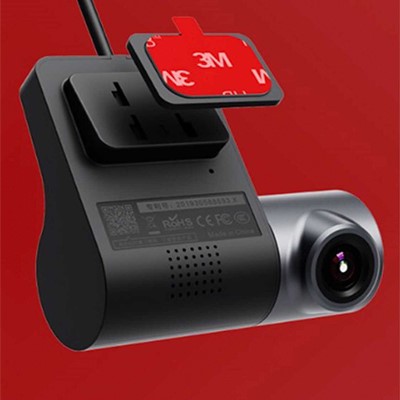
Quick answer: Prepare a commercial dashcam budget covering cameras, installation, cloud services and the costs to discuss with Mehmi.
Planning checklist
- Identify the vehicles and camera requirements
- Separate the initial and ongoing costs
- Schedule installation and internal setup
- Assess payment options using the written quote
Financing options to compare
| Option | Best suited for | Repayment structure | What to compare |
|---|---|---|---|
| Term loan | Defined one-time business need | Fixed scheduled payments | Total cost, term, fees, prepayment |
| Business line of credit | Recurring or uneven cash-flow needs | Revolving balance | Draw rules, interest, renewal, security |
| Secured financing | Larger requests backed by eligible assets | Structure varies | Collateral value, lien position, covenants, fees |
Eligibility, lender criteria, tax treatment and terms for commercial dashcam costs vary by lender and can change. Confirm current details with the lender or vendor and review the final loan or financing documents before you commit. Approval is subject to lender review.
For a broader overview of purchase and lease structures, read the equipment financing overview.
A commercial dashcam project involves more than choosing a camera. Installation, access to footage and ongoing service can all affect the amount your business needs to budget. A clear purchasing plan helps you compare proposals and discuss eligible project costs with a financing provider.
BDC’s equipment-financing guide emphasizes the complete financing structure when comparing offers.
For financing with an ownership-based structure, explore equipment loan options.
Identify the vehicles and camera requirements
Prepare a list of vehicles and explain how each is used. Ask the supplier which camera setup suits the vehicle and what the proposed package includes. TXT offers a cloud-based dashcam solution. Confirm the exact model and current specifications on your quote rather than assuming that every advertised feature is included.
For lease structures and end-of-term conditions, review equipment leasing options.
Discuss how your team will access recordings, who needs an account and what support is available. Ask the supplier to explain storage periods, connectivity requirements and any limits on retrieving footage. Do not rely on a camera purchase alone to settle your business's privacy or record-handling responsibilities.
Separate the initial and ongoing costs
The initial budget may include cameras, mounting hardware, installation and setup. Recurring costs may include connectivity, cloud access or support, depending on the package. Have TXT identify these costs separately and explain any service commitment. Ask about warranty coverage and the cost of moving a unit when a vehicle is replaced.
For an overview of potentially eligible assets, see eligible equipment information.
Schedule installation and internal setup
Plan a rollout that works with vehicle availability. Assign someone to coordinate installation, confirm that the agreed equipment is fitted and arrange staff training. Decide who will administer accounts and manage access. Keep a record of serial numbers and the supplier's support details alongside your purchase documents.
Assess payment options using the written quote
Once the scope is clear, send the itemized quote to Mehmi Financial Group. Explain which costs your business wants to finance and ask which are eligible. Hardware purchases and recurring services may need different treatment. Review the offered payment schedule, fees, upfront amounts and total payable, not only the monthly figure.
For a business purchase discussion, visit the TXT E Solutions financing page. Calculator results are estimates only. Financing is subject to credit and lender approval. Terms and availability vary.
Product reference: TXT cloud-based dashcam. Ask TXT to confirm current equipment and service details.