

A new truck or machine can help your business take on more work, but the upfront cost may strain cash flow. A strong equipment financing application starts with a clear purchase plan, then gives lenders the details they need to assess the asset and your business.
We analyzed 41 comments and questions from Reddit, Quora and YouTube about equipment financing applications and found that 15% mentioned interest rates and loan terms.
Use these four steps to compare a loan with a lease, prepare your file and review an offer before you commit.
Step 1: Define the Equipment Purchase and Choose a Financing Structure
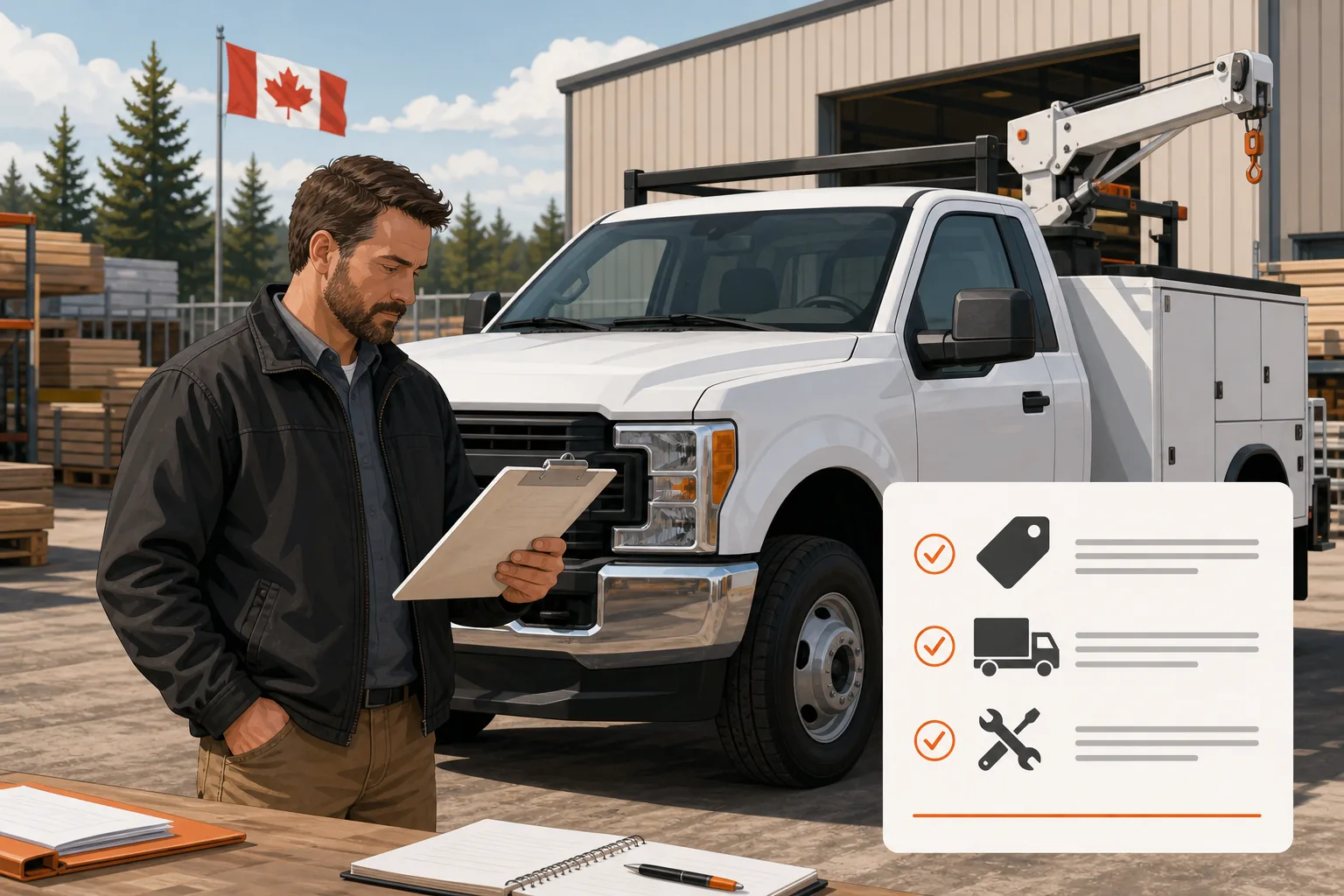
Start with the asset, not the monthly payment. Write down what you plan to buy, how your team will use it and when it needs to be ready. A lender may ask for a quote with the make, model, year, condition and seller details.
Separate the purchase price from tax, delivery, installation and other costs. Then estimate the cash your business can put toward the purchase without making it hard to cover payroll or routine bills. Our page on equipment leasing and financing explains the main structures businesses can compare.
With an equipment loan, the financing is tied to a specific asset, which may act as security. Your business repays the loan over an agreed term. With a lease, you pay to use the equipment under a contract. The agreement sets out what happens at the end, including any return, residual value or buyout terms. Working capital financing is different: it is generally assessed more around business cash flow and credit than one named asset.
Choose the structure based on how long you expect to use the equipment and whether owning it matters. A truck that will stay in your fleet for years may call for a different plan than a machine you expect to replace soon. Compare equipment financing options for Canadian businesses before settling on a structure.
| Option | Consider it when | Check before signing |
|---|---|---|
| Equipment loan | You want to buy a specific asset and repay over time. | Security, rate type, term, fees and any early repayment cost. |
| Equipment lease | You want to use an asset under a lease contract. | Payment schedule, end-of-term choices, residual value and buyout terms. |
| Working capital financing | You need funds for wider business costs, not only one asset. | How repayments fit cash flow and whether the asset is part of the security. |
Some Canadian businesses may also ask whether the Canada Small Business Financing Program fits their equipment purchase. Check the current rules with a participating lender before relying on it.
Mehmi Financial Group helps businesses compare financing and leasing options. Terms depend on the lender, asset, amount, credit profile and market conditions.
Step 2: Check Eligibility and Strengthen Your Application
Lenders may weigh the equipment’s value, your business cash flow and the owner’s credit profile. The asset can support the request, but it does not replace a review of the business. Prepare a short explanation of how the equipment will help bring in work or reduce operating pressure.
Credit challenges or a short time in business don’t always end the conversation. Mehmi Financial Group works with businesses that have lower credit scores or limited operating history, especially when cash flow is strong, the asset has value or a qualified co-signer is available. Each lender sets its own review rules, and financing remains subject to approval.
Before applying, check whether the planned payment still works during a slower month. For a construction firm, that means matching the payment plan to contract timing. A manufacturer might need to account for installation time before a new machine can support production.
If you’re buying several assets, list each one and note the vendor and delivery date. A single request may need a clear asset schedule, particularly when equipment comes from more than one seller. Businesses considering an application-only request can review how application-only equipment financing works in Canada and what a lender may still verify.
Ask the lender what it needs to assess your file before you submit. Confirm the credit requirements, processing time and loan length directly with the lender. Don’t treat a possible zero-down offer as a promise. The required contribution can depend on the asset and the deal.
For broader financing preparation, see this resource.
Step 3: Gather Documents and Submit the Application
Build one clean file before you start an application. A complete submission can reduce follow-up requests, though it cannot guarantee a faster decision. Requirements vary by lender and by asset.
Gather the equipment quote or invoice first. Include the make, model, year and serial number or vehicle identification number when available. For a used or privately sold item, ask which ownership, inspection or lien records the lender needs.
Next, prepare business records. A lender may ask for recent business bank statements, registration documents and basic information about the owners. Be ready to explain the business location, the equipment’s intended use and the work it will support. Some applications also call for financial statements or other records.
Make sure the details match across the quote and application. If the seller changes the price or delivery date, update the file before the lender reviews it. If you’re financing more than one machine, an equipment schedule for multiple machines can help keep each asset and vendor clear.
For online forms, save a copy of what you submit and use clear file names. Check that scans are readable and that the business name matches the registration record. If a lender asks for permission to review credit or account data, read the consent request before you agree.
Once submitted, respond to follow-up questions with the exact document requested. If a lender asks for a revised quote or proof of ownership, send the updated item rather than a long explanation. That keeps the file focused on the transaction.
Step 4: Compare the Offer, Arrange Funding and Manage the Equipment
Review the full cost, not only the headline rate or monthly payment. Ask for the term, payment frequency, fees and any variable-rate terms in writing. Check whether the lender requires a down payment and which purchase costs the financing covers.
Read the end-of-term terms with care. A lease may include a return, residual value or buyout obligation. For a loan, check whether early repayment changes the amount you owe. Make sure the payment date fits the timing of your customer receipts.
There isn’t one standard term or rate that fits every equipment purchase. Pricing and repayment depend on the lender, credit profile, asset, amount and term. Ask for the total repayment amount and a payment schedule so you can compare offers on the same basis.
A construction company buying an excavator may need delivery and insurance arranged before a job begins. A trucking business may need to confirm that the truck can be put to work as soon as funding and registration conditions are met. For fleet purchases, review heavy-duty truck financing considerations alongside the asset quote.
Funding speed varies. Ask what must happen before funds go to the seller, whether the lender needs additional checks and what could hold up payment. Don’t schedule delivery around an estimated timeline until the lender confirms its conditions.
After funding, keep the signed agreement, payment schedule and insurance records with the equipment file. Track maintenance and operating costs so you can see whether the asset is earning its place in the business. For tax reporting, review capital cost allowance and ask an accountant how the rules apply to your situation.
Tax treatment depends on your business and the asset. Confirm the right accounting treatment with a qualified tax professional before you file.
Ready to compare equipment financing options for your business? Share your equipment quote with Mehmi Financial Group to discuss possible lender routes. Terms and availability vary, and every request is subject to review and approval.
Frequently Asked Questions
What documents do I need for equipment financing?
You’ll usually need an equipment quote or invoice and basic business records. A lender may ask for the asset’s make, model, year and serial number, along with business bank statements, registration details and owner information. Used or privately sold equipment may need extra ownership or inspection records. Ask the lender for its document list before you submit.
Can I get equipment financing with bad credit?
Yes, some businesses with credit challenges may still explore equipment financing, but approval depends on the lender’s review. Cash flow, the equipment’s value and a qualified co-signer may help support an application. Be candid about past credit issues and show how the payment fits the business’s current cash flow. No lender can promise approval.
How much of the equipment cost can be financed?
The amount depends on the lender, asset and transaction. Some deals may cover the full eligible equipment cost, while others may require a down payment or exclude costs such as delivery and installation. Ask which items count toward the financed amount and how much cash your business must contribute before accepting an offer.
How long does equipment financing take?
There is no single timeline for every application. The lender may need to review the business, confirm asset details and complete funding conditions before paying the seller. A complete file can help limit follow-up, but it doesn’t set the lender’s processing speed. Ask for the expected stages and timing before making delivery plans.
Is leasing or buying better for business equipment?
Buying with a loan may suit a business that wants to own and keep the asset. Leasing may suit a business that wants to use equipment under a contract with set end-of-term choices. Compare the total cost, payment schedule and any residual or buyout amount. Your expected years of use should guide the choice.
Conclusion
Prepare the asset details and business records before you ask for terms. Then compare the full repayment cost, not just the monthly figure. If you’re ready to discuss a purchase, send Mehmi Financial Group your equipment quote and intended use to explore financing options for your business.