
Quick answer: Windsor’s economy is highly tied to automotive manufacturing and cross-border logistics, so uptime and delivery timing matter more than most cities.
What to compare before choosing an option
| Factor | Why it matters | What to verify |
|---|---|---|
| Total cost | The payment alone can hide fees or end-of-term costs. | Rate or factor, fees, taxes, residual or buyout, and total dollars paid. |
| Repayment structure | Frequency and term affect cash flow. | Daily, weekly, monthly, seasonal, amortization, and maturity. |
| Security and guarantees | Collateral and guarantees change borrower risk. | Liens, personal guarantees, covenants, and insurance requirements. |
| Flexibility | Exit terms matter if plans change. | Prepayment, payout, renewal, refinance, upgrade, and end-of-term options. |
BDC’s equipment-financing guide emphasizes the complete financing structure when comparing offers.
“Don’t focus only on interest rates”
For the equipment decision discussed here, compare the amount financed, payment schedule, collateral and remaining obligations alongside the quoted rate.
Best Equipment Financing and Leasing in Windsor
If you’re searching for the best equipment financing in Windsor, you’re not really searching for a “top lender.” You’re searching for a deal that funds on time, fits your cash flow, and doesn’t create end-of-term surprises—especially in a border-driven manufacturing city where delays cost real money.
In Windsor, the “best” option is usually the best structure (term + buyout/residual + documentation) for your exact use case: keep the asset long-term, upgrade every few years, or protect liquidity while you scale.
Below is the full Windsor-specific guide—written from an underwriter lens—so you can choose confidently without having to search again.
Why Windsor changes the equipment financing playbook
ost cities.
A few local realities that should change how you structure your lease:
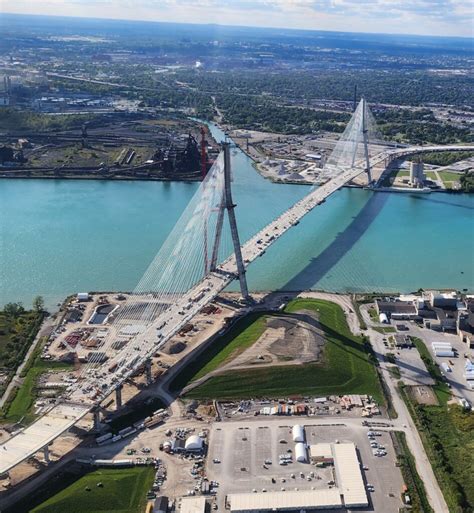
- Border + trade sensitivity: Windsor sits at a major Canada–U.S. gateway. The Gordie Howe International Bridge project is explicitly designed to add crossing redundancy and improve the efficient movement of people and goods between Windsor and Detroit. (Gordie Howe International Bridge)
- Auto concentration: Statistics Canada notes that in the Windsor CMA, automotive industries account for a large share of manufacturing employment (and a meaningful share of total employment). That concentration can affect lender “conditions” and how they stress-test your file during volatility. (Statistics Canada)
- Delivery + installation logistics in tight corridors: If you’re moving oversize equipment, you may need municipal approvals (route approvals / moving permits / right-of-way permits). The City of Windsor outlines moving permits and route approval processes that can become a real timeline constraint if ignored. (City of Windsor)
- Expedited parts and specialized equipment: Windsor International Airport participates in an international air cargo transshipment program, which can matter for urgent, high-value components and time-sensitive installs. (Fly YQG)
Practical takeaway: In Windsor, “best financing” often means planning the funding timeline around delivery realities, not just chasing the lowest payment.
Leasing-first: the Windsor-friendly way to protect cash and keep options open
Key point: Most Windsor businesses do better by structuring a lease around the asset’s real life cycle—especially when downtime or upgrade timing is critical.
Leasing isn’t just “renting.” It’s a cash-flow tool:
- You can keep monthly payments safer by setting a realistic residual/buyout.
- You can match the structure to how Windsor businesses actually operate: steady manufacturing runs, project work, or seasonal contracting.
If you want the Canada-wide decision framework (cash flow, taxes, flexibility, risk), use this companion guide: Lease vs Buy Equipment in Canada. (Mehmi Financial Group)
The three buyout paths (what they really imply)
Key point: Your buyout choice determines your payment, your risk, and your negotiating power at end of term.
- FMV (Fair Market Value) lease: Often the lowest monthly payment, best if you want upgrade flexibility—but you need to plan for end-of-term options (return / renew / buy).
- Fixed buyout (often 10%–25%): A “middle lane” that gives predictability without paying the asset down to $0.
- $1 buyout lease: Designed for ownership certainty; typically higher monthly because you’re paying down most of the equipment value.
If you’re choosing between these two common structures, this is the cleanest explainer: $1 Buyout vs FMV Lease Canada: Which to Choose. (Mehmi Financial Group)
And if you want a straight side-by-side comparison: FMV Lease vs $1 Buyout Lease (Canada). (Mehmi Financial Group)
What lenders actually look for (the 5Cs, in plain language)
Key point: Approvals are less about “who you are” and more about whether the lender can get comfortable with risk.
A classic underwriting framework is the 5Cs: character, capacity, capital, collateral, conditions. The credit risk assessment training materials describe this 5C analysis and its purpose in assessing creditworthiness.
Here’s how that shows up in real Windsor deals:
Character (how you manage obligations)
- Clean payment behaviour, stable banking patterns, consistent story.
- In Windsor, underwriters also want to see that the asset aligns with your real work (not “spec buying”).
Capacity (can cash flow carry the payment safely?)
- Lenders don’t just look at “good months.” They look for survivability when things soften—especially in concentrated sectors.
- This matters in Windsor because the local economy can swing with auto-related conditions. (Statistics Canada)
Capital (your cushion)
- Cash reserves, retained earnings, owner injection (if needed).
- A strong cushion can reduce down payment requirements or improve terms.
Collateral (how liquid is the asset if it needs to be sold?)
- Mainstream, in-demand equipment tends to finance better than niche assets.
- Newer units often have more predictable resale markets than older specialized gear.
Conditions (industry + economic context)
- Lenders price risk and tighten/loosen based on sector appetite and macro conditions.
- In Windsor, lenders pay attention to cross-border trade and auto supply-chain signals. (Gordie Howe International Bridge)
Contrarian but fair opinion:
The “best” deal is rarely the one with the absolute lowest payment. If your payment only works when everything goes right, you’re buying fragility. Underwriters would rather approve a deal that survives a bad quarter than a “cheap” deal that breaks at the first slowdown.
Costs you should compare in Windsor (not just “rate”)
Key point: Two offers can show the same monthly payment and still be thousands apart once you add fees, buyout rules, and payout math.
When you compare quotes, you want the full “total cost story”:
- Documentation/admin fees
- PPSA/security registration fees
- Insurance requirements
- Residual/buyout amount and rules
- Early payout rules (how expensive it is to exit early)
Use this Canada-wide checklist as your baseline: Equipment Financing Fees in Canada: How to Compare Offers. (Mehmi Financial Group)
And if you’re benchmarking pricing, this explainer helps you understand what builds a lease rate: Equipment Leasing Rates Canada. (Mehmi Financial Group)
Windsor timeline reality: permits, access, and “don’t miss the install window”
Key point: In Windsor, logistics can be the silent reason deals “take too long”—not the lender.
If your equipment move affects roads, sidewalks, or requires route approvals (think: large CNC machines, industrial lines, specialized lifts, or anything oversize/overweight), plan ahead:
- The City of Windsor’s moving permit process includes route approvals and coordination steps that can introduce delays if discovered late. (City of Windsor)
- The City also provides right-of-way permit application materials that explicitly reference oversize/overweight moving and route approval requirements. (City of Windsor)
Why lenders care: If delivery is uncertain, funding can be delayed because many lessors won’t release funds until key conditions are met (delivery confirmation, insurance, completed documents). You don’t want your financing “approved” but stuck while the vendor’s truck is waiting on permits.
The documentation that gets Windsor deals funded fast
Key point: Most “slow deals” aren’t declined—they’re incomplete. The fastest approvals happen when your file is funding-ready.
Here’s what credit teams commonly want to see (especially for deals under $100K and for used assets):
- A complete credit application
- Full equipment specs or a vendor quote (make/model/year/hours/km, new vs used)
- A short business summary (what you do, years in business, why you need it)
- The requested structure (term, down payment, residual/buyout)
- Bank statements or additional documents depending on profile and asset risk
This is spelled out clearly in the internal credit guidelines, including what tends to be required under $100K and when lenders ask for bank statements or more documentation (e.g., weak credit or older assets).
Funding package: what “approved” still needs before money moves
Key point: A conditional approval is not the same as funded. Funding happens after the package is complete.
For standard vendor-originated deals, the funding package typically includes items like signed lease documents, IDs, void cheque/PAD, invoice/bill of sale, proof of initial payment (if applicable), and an insurance certificate—plus any lender-specific extras.
For private sales, lenders commonly add requirements like vendor ID, lien search satisfaction, and sometimes third-party inspections (depending on lender and asset).
Windsor-specific tip: If you’re buying equipment cross-border or from a non-traditional vendor, expect extra verification. It’s not personal—it’s risk control.
Taxes: the Canada-specific rules you should plan around
Key point: Your “true cost” is payment + tax timing. Most surprises come from GST/HST timing and how you plan deductions.
CRA’s guidance on leasing costs is simple at the headline level: you generally deduct the lease payments incurred in the year for property used in your business. (Canada)
If you want a deeper Canada-wide breakdown of leasing vs financing tax tradeoffs (including what owners often miss), use: Canadian Tax Benefits of Leasing vs Financing Equipment [2026]. (Mehmi Financial Group)
(As always: confirm your specifics with your accountant—especially if you’re dealing with cross-border purchases or complex installs.)
Windsor decision framework: choose the “best” structure in 10 minutes
Key point: You can pick the right direction quickly if you start with how long you’ll keep the equipment and what a bad month looks like.
Step 1: Define your “keep vs upgrade” horizon
- Likely upgrade in 3–5 years: FMV often fits better
- Likely keep 5–10+ years: fixed buyout or $1 buyout often fits better
Step 2: Run a payment safety test (mini stress test)
Take your last 12 months and pick your worst two months. Ask:
- After payroll, rent, insurance, and baseline costs—what is the realistic monthly amount you can commit?
- Does the proposed payment still work if revenue softens?
If the payment only works in a perfect month, change the structure:
- extend the term (within reason for asset life)
- adjust residual/buyout to reduce monthly strain
- add a modest down payment only if it doesn’t weaken working capital
Step 3: Compare offers by “exit rules,” not the teaser payment
Use this offer-comparison guide as your checklist: Business Financing in Canada: Compare Offers & Avoid Traps. (Mehmi Financial Group)
A Windsor-specific scenario table (what usually approves cleanly)
Key point: Approvals improve when the structure matches the asset’s life and your cash conversion cycle.
When sale-leaseback is the “best” move (especially for growing Windsor shops)
Key point: If you own equipment free and clear (or nearly), sale-leaseback can turn trapped equity into working capital without stopping operations.
Sale-leaseback is often used to:
- finance expansion without draining cash
- add a second machine/unit faster
- create a liquidity buffer during volatile quarters
If you’re exploring it, start here: Sale Leaseback Financing in Canada. (Mehmi Financial Group)
And if your main question is “how much can I actually unlock,” use: Sale-Leaseback in Canada: Max Cash-Out Rules. (Mehmi Financial Group)
Case study: Windsor manufacturer structured for approval (anonymous)
Business: Windsor-area light manufacturer / tool-and-die style operation
Need: Add one CNC/production asset to reduce subcontracting and hit delivery targets
Complication: Vendor delivery required careful timing and site access planning; the first quote assumed a fast install, but the business had a real risk of “approval without funding” if delivery slipped.
Underwriter concerns (5Cs):
- Capacity: Does the payment still work if orders slow for a quarter?
- Collateral: Is the asset liquid enough if they need to exit?
- Conditions: How exposed is revenue to Windsor’s auto-linked cycles? (Statistics Canada)
What changed the outcome (leasing-first structure + clean package):
- We structured a payment that passed the “worst-month” stress test (term + buyout aligned to their keep/upgrade reality).
- We built a funding-ready package early (complete specs, clear summary, requested structure), matching what lenders commonly require.
- We planned for the practical funding steps (IDs, PAD/void cheque, invoice, proof of any initial payment, insurance certificate), consistent with standard funding package expectations.
Result:
The business funded on a timeline that matched delivery reality, protected liquidity, and kept a clean upgrade/refinance path for the next expansion.
(If you’re comparing providers, this list helps you understand which types of lessors fit which deal profiles: Top 7 Canadian Equipment Leasing Companies. (Mehmi Financial Group))
Calm next step
If you have a Windsor quote in hand, Mehmi can review the structure (term, residual/buyout, fees, payout rules) and tell you—plainly—what an underwriter is likely to flag before you sign.
Authoritative references
- Innovation, Science and Economic Development Canada — Canada Small Business Financing Program:
The Canada Small Business Financing Program makes it easier for small businesses to get loans from financial institutions by sharing the risk with lenders.
Program eligibility, lender criteria, tax treatment, and product terms can change. Verify current official guidance and the final financing documents before making a decision.
FAQ: Equipment financing & leasing in Windsor (Canada-specific)
1) What’s the biggest reason equipment deals get delayed in Windsor?
Usually it’s not the lender—it’s timeline mismatch: delivery, installation readiness, insurance certificates, or municipal route/permit steps discovered late. City moving permit / route approval steps can be a real constraint for oversize moves. (City of Windsor)
2) Is it better to choose FMV or $1 buyout in Windsor?
If you’ll upgrade equipment on a cycle (common in tech-heavy environments), FMV often fits. If you’re sure you’ll keep the asset long-term, $1 buyout can make sense. Use the structure guide: $1 Buyout vs FMV Lease Canada. (Mehmi Financial Group)
3) Are lease payments tax-deductible in Canada?
CRA states you generally deduct lease payments incurred in the year for property used in your business. (Canada)
4) What documents should I prep to get funded faster?
At minimum: full equipment specs/quote, a short business summary, and the structure you want—plus bank statements when required by profile.
5) I’m buying used equipment privately—what’s different?
Private sales often require extra items like vendor ID, lien searches, and sometimes inspections, depending on lender/asset risk.
6) Why do lenders ask so many “extra” questions in Windsor?
Because Windsor is highly linked to auto manufacturing and cross-border trade, lenders pay attention to “conditions” and stress-test capacity in down cycles. (Statistics Canada)