
Quick answer: Lenders finance refrigeration best when it’s a clearly identifiable asset with a reputable vendor/installer and a sensible total project budget.
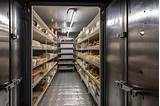
Commercial Refrigeration Financing in Canada: Approval and Installation Costs
Commercial refrigeration is one of those purchases that’s never “just the unit.” The cooler/freezer, the refrigeration system, and the installation work (electrical, plumbing, refrigeration labour, permits, site prep) usually matter as much as the sticker price—and lenders underwrite all of it.
Here’s the practical takeaway:
- If your project is replacement (equipment is down or failing), approvals tend to be faster when you can show cash flow + a clean installation plan.
- If your project is new build or expansion, approvals depend heavily on site readiness (landlord/permits/electrical capacity) and whether the install costs are realistic.
- In Canada, a major “gotcha” is refrigerant regulation and compliance: equipment choice can affect future service availability and costs.
This is a leasing-first guide (because refrigeration is a classic asset-backed fit) with an underwriter’s lens, real cost drivers, and a checklist you can use to get funded without last-minute surprises.
BDC’s equipment-financing guide emphasizes the complete financing structure when comparing offers.
“Don’t focus only on interest rates”
For the equipment decision discussed here, compare the amount financed, payment schedule, collateral and remaining obligations alongside the quoted rate.
What counts as “commercial refrigeration” (and what lenders will finance)
ect budget.
Typical items:
- Walk-in coolers/freezers (box + condensing unit/evaporator)
- Reach-in fridges/freezers, prep tables, undercounter units
- Refrigerated display cases (deli/bakery/grab-and-go)
- Ice machines, blast chillers (depending on use-case)
- Compressor racks / remote systems (more complex underwriting)
If you’re new to equipment leasing structures (FMV vs low buyout, term lengths, end-of-term options), this primer helps:
Source
The real cost question: it’s not unit price — it’s “total installed cost”
Key point: Most owners underestimate install costs because they focus on the box and forget the site work.
A Canadian cost guide (as of Aug 2025) suggests walk-in cooler installs average around $10,000, with the usual caveat that size/specs and site complexity drive the range. (HomeStars)
What “installation” can include (the parts that blow up budgets)
- Electrical: dedicated circuits, disconnects, panel upgrades, rooftop units
- Refrigeration labour: piping/lineset, brazing, evacuation, charging, start-up
- Plumbing: floor drains, condensate drains, trenching, backflow protection (where required)
- Ventilation/heat rejection: condenser location, airflow, noise constraints
- Site prep: insulated slab, floor repairs, curbs, wall penetrations
- Permits/inspections: especially when electrical or plumbing scope changes
- Removal/disposal: old box demo, refrigerant recovery, disposal fees
- Downtime mitigation: temporary refrigeration rental (often forgotten)
A quick “budget sanity” table (ballpark ranges)
Use this to sense-check quotes before you apply.
If you want to quickly estimate monthly payments to test affordability, use:
Source
Canada-specific gotcha: refrigerant rules can change your long-term cost
Key point: Refrigeration isn’t just “steel and compressors”—refrigerant compliance affects servicing, parts, and resale.
Canada’s Ozone-depleting Substances and Halocarbon Alternatives Regulations (ODSHAR) include an HFC phase-down path; Environment and Climate Change Canada notes that starting Jan 1, 2024 the target is a 40% reduction in annual HFC consumption (and it references progress against targets). (Canada)
What this means for owners:
- Some older/high-GWP refrigerants have become more expensive and harder to source.
- “Cheap now” equipment can become “expensive later” if it’s costly to service or retrofit.
- Lenders don’t usually underwrite refrigerant chemistry—but they do care about collateral value and longevity, and compliance risk can influence both.
Practical move: when you collect quotes, ask the vendor/installer:
- What refrigerant does the system use?
- Is it aligned with current Canadian compliance expectations and service availability?
- What’s the service plan and parts availability in your region?
This is one of my contrarian takes: the lowest quote is often the most expensive quote in commercial refrigeration—because downtime and serviceability cost more than rate.
Why leasing often fits refrigeration better than pulling cash or maxing a LOC
Key point: Refrigeration is typically a revenue-protecting asset with a multi-year life—leasing spreads cost over the period you benefit.
A lease-like structure tends to work well because:
- The asset is identifiable collateral (helpful for approvals).
- Payments can be matched to cash flow (especially for seasonal operators).
- You preserve operating liquidity for inventory, payroll, and surprise repairs.
If you’re unsure whether this is an “asset purchase” problem or a working-capital problem, start here:
Source
Approval requirements: what most Canadian lenders actually want to see
Key point: Approvals are faster when the story is simple: stable business + clear asset + credible installer + realistic total project cost.
The lender’s “credit brain” (5Cs in plain language)
A classic credit framework is 5C analysis: character, capacity, capital, collateral, conditions. The Credit Risk Assessment text summarizes the 5Cs and what each dimension means.
How that translates to refrigeration files:
Character
- Clean payment history, no repeated NSF patterns
- Straightforward answers about prior issues (if any)
Capacity
- Can the business carry the payment even if sales dip?
- For restaurants/grocers: do deposits and margins support the new fixed cost?
Capital
- How much cash remains after down payment and install deposit?
- Do you have a buffer for inventory and staffing?
Collateral
- Is the equipment financeable and easy to value?
- Is it new/used, branded, and installed by a credible contractor?
Conditions
- Your industry + your location + the rate environment
- As of Dec 10, 2025, the Bank of Canada held its policy rate at 2.25%—a relevant context for borrowing costs. (Bank of Canada)
Documents that reduce back-and-forth (and speed up funding)
Here’s what tends to help the most on refrigeration deals:
- Vendor quote(s) with make/model, specs, and delivery timeline
- Installer quote itemizing labour and site work
- Photos of the site (especially for replacements)
- Landlord approval if you lease your premises (walk-ins often require penetrations/permits)
- Recent bank statements (common request when financials are limited)
- Financials or T2/T1 General where available
- Insurance readiness (many lenders require proof prior to funding)
If you’re trying to improve your approval odds quickly, use this practical guide:
Source
Installation costs: what drives them up (and how to control them)
Key point: Installation costs rise when the scope crosses into “building infrastructure,” not just equipment.
The top 8 cost drivers
- Electrical upgrades (panel capacity, new circuits, rooftop units)
- Drain and floor work (trenching, slab cuts, insulation under slab)
- Remote condenser placement (roof work, crane/lift, weatherproofing)
- Access constraints (tight hallways, stairwells, after-hours labour)
- Demo and disposal (including refrigerant recovery)
- Permits and inspections (vary by municipality and scope)
- Heat load changes (kitchen layout changes that increase cooling demand)
- Timeline pressure (rush installs are real money)
A two-quote rule that prevents bad surprises
- Get one quote for equipment supply.
- Get one quote for installation + site work.
Then combine them into your “total installed cost” and apply off that number. This is cleaner for underwriting and reduces change orders.
Efficiency incentives (Ontario example you can copy elsewhere)
Save on Energy (Ontario) lists business programs and incentives across several categories including HVAC, automation, compressors and chillers. (Save on Energy)
Even if you’re not in Ontario, the playbook is the same:
- Check your provincial/utility programs early
- Ask the installer if the model qualifies
- Align timelines so rebates don’t delay commissioning
Underwriter lens: what breaks approvals on refrigeration files
Key point: The fastest declines come from unclear scope, shaky cash flow, or “construction risk” hiding inside an equipment request.
Red flags (and how to fix them)
- Vague quote (“walk-in cooler installed” with no details)
Fix: itemized equipment + labour + site work. - Install cost is too low to be real
Fix: add a second installer quote or add contingency. - Business bank statements show volatility
Fix: explain seasonality and show a cash buffer. - Landlord approval not secured
Fix: written permission or lease clause confirmation. - “Emergency replacement” but no plan to protect inventory
Fix: show contingency (temporary storage/rental plan).
Conditions precedent + monitoring (what lenders require before funding and watch after)
Many lenders include “conditions precedent” (things that must be true before funds are advanced) and “covenants” (things monitored after). A lending guide defines conditions precedent as conditions a business must comply with before funds are lent, and explains that covenants support monitoring after lending.
In refrigeration deals, “conditions precedent” usually look like:
- signed documents
- proof of insurance
- confirmed vendor invoice/serials (or a clear delivery schedule)
Monitoring triggers (what worries lenders before a missed payment):
- repeated NSF/overdraft patterns
- falling deposits
- sudden spikes in chargebacks/refunds (in some industries)
- missed reporting deadlines on larger files
Choosing the right structure for refrigeration (without turning it into a math lecture)
Key point: Structure is about risk control: term length, down payment, and whether install costs are included.
Common approaches:
- Standard fixed-payment lease: clean and predictable
- Seasonal or step payments: useful for seasonal operators (tourism, seasonal retail)
- Bundled equipment + install: possible when invoices are clear and scope is reasonable
- Master lease: helpful if you’ll add multiple units over time (walk-in now, display cases later)
If you make frequent equipment additions (common in hospitality and food retail), master leasing can reduce paperwork:
Source
And if you’re choosing term lengths, this guide explains the practical tradeoffs:
Source
The “fast approval” checklist for refrigeration projects
Key point: The goal is to remove uncertainty: what it costs, who’s installing it, and how quickly it will be operational.
Before you apply
- Finalize two quotes (equipment + install)
- Confirm lead times (equipment delivery + installer schedule)
- Confirm site readiness (power, drains, access, landlord approval)
- Build a simple downtime plan (where product goes during install)
When you submit
- Provide photos of the install site (especially for replacement)
- Provide last 3–6 months of bank statements if financials are limited
- Explain the business reason in one sentence:
- “Replacing failing walk-in to prevent spoilage and maintain service”
- “Adding display cases to expand grab-and-go revenue”
Funding speed tip
Emergency replacements get funded faster when you can show the “what, who, and when” in one page.
If you’re truly in a breakdown situation, this is the emergency playbook:
Source
And if the breakdown is disrupting operations (and you need bridging options), this can help frame choices:
Source
Case study (anonymous): restaurant walk-in replacement with realistic install costs
Key point: The win isn’t “approval.” It’s avoiding downtime and change orders that wreck cash flow.
Business: Independent restaurant (Ontario), 3+ years operating
Problem: Walk-in cooler was short-cycling and temps were unstable—food loss risk + inspection risk
Goal: Replace walk-in quickly while keeping operating cash for payroll and inventory
The initial mistake: owner’s first quote focused on the box price only. Installation scope was vague, and the number was unrealistically low.
What we did differently (the underwriting-friendly package):
- Quote A: equipment supply (walk-in panels/door + refrigeration package)
- Quote B: installation scope (electrical disconnect, drain solution, demo/disposal, commissioning)
- Short downtime plan: temporary refrigerated trailer for 48 hours
- Bank statements showing stable deposits and margin
Financing structure (leasing-first):
- Fixed payments over a term aligned to useful life
- Included install costs that were clearly invoiced and tied to commissioning
Outcome: Funded and installed on schedule with no mid-project “surprise” invoice.
Why it worked under the 5Cs:
- Capacity: business deposits supported the payment
- Collateral: identifiable equipment installed by a credible contractor
- Conditions: clear plan reduced execution risk (no hidden construction scope)
Tax and GST/HST planning: don’t let timing surprise you
Key point: Even when something is deductible, cash timing can still hurt—especially with GST/HST.
CRA’s Input Tax Credit guidance explains that GST/HST registrants can generally claim ITCs to recover GST/HST paid/payable on purchases and expenses used in commercial activities, with eligibility and timing rules. (Canada)
Practical take:
- Budget for GST/HST cash flow on payments and install invoices.
- Align your filing frequency and working capital plan so you’re not “funding the tax” longer than necessary.
For a leasing-focused Canadian tax primer, see:
Source
And for the HST/GST mechanics on leases, use:
Source
One calm next step
If you have a refrigeration quote (or even just photos + rough specs), Mehmi can help you:
- confirm whether install costs can be included,
- package the file to reduce conditions and delays,
- and choose a structure that won’t strain working capital during a slow month.
Contact: Source
Authoritative references
- Innovation, Science and Economic Development Canada — Canada Small Business Financing Program:
The Canada Small Business Financing Program makes it easier for small businesses to get loans from financial institutions by sharing the risk with lenders.
Program eligibility, lender criteria, tax treatment, and product terms can change. Verify current official guidance and the final financing documents before making a decision.
FAQ: Commercial refrigeration financing in Canada
1) Can installation costs be financed along with the refrigeration equipment?
Often, yes—when installation is clearly invoiced, reasonable, and directly tied to commissioning. Bundling works best when you have itemized quotes (equipment + install) and the project isn’t really a “construction” job hiding in an equipment request.
2) What’s a realistic installed-cost range for a walk-in cooler in Canada?
Ranges vary widely by size and site conditions. A Canadian cost guide updated Aug 2025 suggests an average around $10,000 for installation depending on size/specs, but complex installs (electrical, drains, access) can push total costs higher. (HomeStars)
3) What do lenders look at first on refrigeration deals?
They start with: business stability (deposits/cash flow), the quality of the vendor/installer quote, and whether the total installed cost is realistic. Underwriters typically frame this through the 5Cs (character, capacity, capital, collateral, conditions).
4) How do refrigerant rules affect what I should buy?
Canada’s HFC phase-down targets (including a 40% reduction target starting Jan 1, 2024) influence availability and pricing of certain refrigerants and can affect long-term servicing. (Canada) Ask your contractor what refrigerant the system uses and how serviceable it will be in your region.
5) Are there incentives for refrigeration upgrades in Canada?
It depends on province and utility. In Ontario, Save on Energy lists business incentives across categories that include areas like HVAC, automation, compressors and chillers. (Save on Energy) Check your local utility early so incentives don’t delay commissioning.
6) What’s the fastest way to get approved if my cooler is failing?
Submit a tight package: itemized quotes, site photos, a clear install timeline, and recent bank statements showing capacity. If you’re in a true breakdown situation, use this guide to prepare the file quickly: Source