
Quick answer: Mississauga deals often succeed or fail on timing and execution—because installs, deliveries, and facility work can be more complex than the financing itself.
Decision matrix: Option A vs Option B
| Factor | Option A | Option B |
|---|---|---|
| Upfront cash | Confirm deposits, first payment, fees, taxes, and required equity. | Confirm deposits, first payment, fees, taxes, and required equity. |
| Payment burden | Compare amount, frequency, term, and slow-month impact. | Compare amount, frequency, term, and slow-month impact. |
| Total cost | Add financing charges, fees, taxes, and end-of-term amounts. | Add financing charges, fees, taxes, and end-of-term amounts. |
| Ownership & security | Verify title, liens, guarantees, and ownership rights. | Verify title, liens, guarantees, and ownership rights. |
| Exit flexibility | Review payout, prepayment, refinance, renewal, and upgrade terms. | Review payout, prepayment, refinance, renewal, and upgrade terms. |
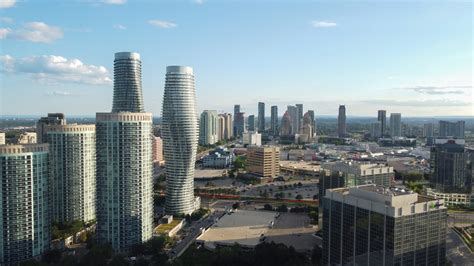
Best Equipment Financing and Leasing in Mississauga (2026 Guide)
Quick takeaway (read this first)
If you’re looking for the best equipment financing and leasing in Mississauga, the “best” option is usually the one that (1) gets approved reliably, (2) protects cash flow in your slow month, and (3) doesn’t trap you at end of term. For most Mississauga businesses—manufacturing, warehousing, logistics, construction, trades—a leasing-first structure (term + buyout/residual matched to your use case) is often the cleanest path to approval and the most practical way to preserve working capital.
This guide gives you a Mississauga-specific framework to choose confidently: lender options, deal structures, what underwriters care about (the 5Cs), local realities that affect timing (permits, after-hours commissioning, and delivery logistics), and an approval checklist you can use today.
If you want the Canada-wide “scorecard” version first, start here: Which equipment financing company is best in Canada (2026)?
Mississauga-specific details that change the advice
ing itself.
Here are four local realities that can change what “best” looks like:
- Industrial clustering + tight delivery windows: In areas like Meadowvale, Dixie/401, and around the Airport Corporate Centre, deliveries and installs often need precise coordination (dock time, lift availability, after-hours access). That makes fast funding and clean paperwork a competitive advantage.
- Highway disruption risk: If your equipment delivery depends on Highway 401/410/403/QEW corridors, planned rehabilitation work can affect delivery scheduling and missed installation slots. Ontario’s published Southern Highways Program includes Mississauga-area segments (e.g., Highway 401/410 to Central Parkway noted as planned resurfacing/rehab work). (Ontario)
- Permits and zoning can be the real gating item: If the purchase involves structural changes (pads, pits, mezzanines, ventilation, electrical room changes, occupancy adjustments), the City’s building permit process (and documentation requirements) can become your timeline’s critical path. (City of Mississauga)
- After-hours commissioning sometimes needs a noise plan: Many installs are done nights/weekends to avoid downtime. Mississauga’s noise exemption process outlines that exemptions may come with conditions such as decibel limits, which can matter for late commissioning, testing, or construction-related work. (City of Mississauga)
Bottom line: In Mississauga, “best” often means a financing partner and structure that can handle speed + complexity—not just quoting a low monthly payment.
What “best equipment financing” actually means (in plain English)
Key point: There isn’t one best lender—there’s a best-fit structure and approval path for your asset, timeline, and credit/cash-flow profile.
When business owners say “best,” they usually mean:
- “What’s the lowest payment I can get?”
- “Who will approve me quickly?”
- “What won’t come back to bite me later?”
Those are different goals. The best deal balances all three by focusing on total outcome, not just the headline rate:
- Structure quality: term, down payment, buyout/residual, fees, early payout rules
- Approval reliability: how well your file fits the lender’s credit box
- Flexibility: upgrade options, add-on capacity, refinancing paths
- Execution: funding conditions, documentation, delivery timing
A contrarian (but true) take: if your file is “average,” negotiating structure often beats negotiating rate—because structure reduces lender risk and improves both approval odds and the payment you actually live with.
Leasing vs buying in Mississauga
Key point: Leasing is usually the practical choice when you want to preserve cash and stay flexible; buying can win when you’re sure you’ll keep the asset long-term and you have strong liquidity.
Leasing is typically strongest when:
- you need the equipment producing revenue now,
- you’d rather keep cash for inventory, labour, or a second shift,
- you want flexibility to upgrade in 3–5 years,
- the asset has a solid resale market (which helps underwriters).
Buying/financing can make sense when:
- you will keep the asset for a long time,
- utilization is high and stable,
- you have strong liquidity and don’t mind tying up capital.
For a deeper Canada-wide framework (with examples), see: Lease vs buy equipment in Canada
The Mississauga lender landscape (who’s “best” for what)
Key point: The “best” lender type depends on whether your deal is simple and prime, or fast and complex.
Bank programs
Good fit when you have strong financials, longer timelines, and a straightforward asset.
Tradeoff: banks can be slower and more documentation-heavy, which can be a problem when you’re trying to lock a unit or hit a delivery deadline.
Captive finance (manufacturer-backed programs)
Great when you’re buying new equipment from an OEM with a promo program.
Tradeoff: you’re limited to that brand and that credit box; flexibility may be tighter.
Independent leasing companies (asset-focused lenders)
Often the best fit for:
- used equipment,
- non-standard assets,
- faster closings,
- structure flexibility (residuals, seasonal payments, add-ons).
Broker model (multi-lender access)
This often wins in Mississauga when:
- you need speed,
- you have a private sale, used asset, or complex install,
- the first “easy” lender isn’t a fit.
Mehmi Financial Group works in this leasing-first, multi-lender lane—helping route deals to the lender that fits the asset and the borrower profile, rather than forcing every file into one credit box.
If you want a curated list to start your shopping, see: Top Canadian equipment leasing companies
Underwriter logic: what lenders care about (and how to win approvals)
Key point: Underwriters approve “repayment certainty + recoverable collateral,” not just “a cool machine.”
Most equipment approvals can be explained through the 5Cs:
- Character: do you pay as agreed?
- Capacity: can cash flow carry the payment even in a softer month?
- Capital: do you have cushion (down payment / liquidity)?
- Collateral: is the equipment easy to value and resell?
- Conditions: industry risk + macro rates + deal complexity
Behind the scenes, lenders are managing a simple version of risk math:
- probability of default (will you miss payments?),
- exposure at default (how much is outstanding if something goes wrong?),
- loss given default (if they sell the equipment, how much do they lose?).
What this means in Mississauga
If you’re in manufacturing, warehousing, or logistics, the lender will often zoom in on:
- customer concentration and contract stability,
- seasonality (busy and slow cycles),
- your working capital posture (inventory swings, payroll timing),
- and whether the asset is core to production/revenue.
Practical move: Write a 6–8 sentence “credit story” that answers:
- what you do,
- why this equipment now,
- how it pays for itself, and
- what your downside plan is if volume softens.
That one page can materially change approval speed.
What does equipment financing cost right now?
Key point: Your effective cost depends more on your risk tier and structure than on the headline rate.
In Canada, many leases are quoted using a lease rate factor or “effective” cost rather than an APR, which can make comparisons messy. A simple way to avoid confusion is to benchmark your quote against current market ranges and then focus on structure and fees.
Use these two pages as your comparison tools:
- Equipment lease rates in Canada (what’s “good” today?)
- Equipment financing fees in Canada (how to compare offers)
Rate environment note: Lender pricing is influenced by the Bank of Canada’s policy rate; the Bank of Canada publishes the target overnight rate in its “key interest rate” series. (Bank of Canada)
BDC’s equipment-financing guide emphasizes the complete financing structure when comparing offers.
“Don’t focus only on interest rates”
For the equipment decision discussed here, compare the amount financed, payment schedule, collateral and remaining obligations alongside the quoted rate.
Mississauga tax and cash-flow basics (HST + ITCs)
Key point: In Ontario, HST timing can change your cash flow; “best” is often the structure that keeps HST manageable and recoverable.
- Lease payments typically include HST on each payment (how it’s billed depends on structure and vendor).
- If you’re a GST/HST registrant using the asset in commercial activities, you generally claim input tax credits (ITCs) for GST/HST paid, subject to the usual ITC rules and documentation. CRA’s ITC guidance explains eligibility concepts and includes examples (e.g., rent), which apply to taxable supplies more broadly. (Canada)
For a practical explainer written for business owners: HST/GST on equipment leases in Canada
(This is business guidance, not tax advice—confirm your treatment with your accountant.)
The deal structures that tend to work best in Mississauga
Key point: Structure is how you control payment risk, upgrade flexibility, and approval odds—especially when your install timeline matters.
FMV lease (fair market value buyout)
Often produces the lowest monthly payment. Best when:
- you may upgrade or replace in a few years,
- technology obsolescence is real,
- you want flexibility more than guaranteed ownership.
Fixed buyout / ownership-forward lease
Higher payment, clearer path to ownership. Best when:
- the equipment will be used heavily for a long time,
- you want a clean ownership plan,
- you don’t want end-of-term valuation ambiguity.
Residual-based structuring (payment shaping)
Lower payment now by leaving value to the end-of-term buyout/residual. Best when:
- you plan for the end-of-term cheque (or refinance path),
- you prefer liquidity now and certainty later.
Sale-leaseback (working capital strategy)
Key point: If you already own equipment, sale-leaseback can unlock cash without stopping operations.
This is common in Mississauga businesses that need liquidity for inventory, payroll ramps, or facility upgrades. Start here: Sale-leaseback on equipment in Canada
…and if you want to estimate proceeds and payments: How to calculate a sale-leaseback
A quick “Best Deal Scorecard” you can use today
Key point: If you score your quote before you sign, you catch most expensive surprises.
The approval checklist (what to prepare so you don’t lose the slot)
Key point: In Mississauga, speed comes from being “funding-ready,” not from rushing the lender.
Core items that make approvals fast
- Vendor quote/invoice with complete equipment details (serial/VIN when applicable)
- Business profile + basic financial picture (or bank statements if needed)
- IDs for signing parties and proof of business registration
- Void cheque/PAD info for payments
- Insurance readiness (lender named as loss payee, where required)
To make this painless, use: Equipment financing application checklist (Canada)
If you need it fast
Approval and funding timelines vary by lender, application completeness, and required conditions.
Approval and funding timelines vary by lender, application completeness, and required conditions.
Mississauga install readiness (don’t skip this)
If your purchase requires facility work (pads, pits, ventilation, mezzanine, structural changes, occupancy), build this into your plan:
- confirm whether you need permits,
- confirm lead time for drawings and inspections,
- align equipment delivery date with facility readiness.
The City’s building permit application process highlights that requirements (forms, drawings, documents) depend on the project type and that applicants should budget for cost and timelines. (City of Mississauga)
If commissioning will happen nights/weekends, confirm your noise plan early; the City’s noise exemption process notes additional terms/conditions may apply (including decibel limits). (City of Mississauga)
Case study (anonymous): Mississauga expansion—approved by fixing structure, not chasing rate
Key point: The “best” deal is the one that funds on time and stays comfortable after the equipment is installed.
Business: Mississauga-based light manufacturer (Meadowvale area), 14 employees
Goal: Add a second CNC and dust collection upgrade to reduce bottlenecks and increase throughput
Equipment cost: ~$280,000 all-in (machine + install-related costs)
Challenge: Strong revenue, but cash swings tied to customer payment cycles; install needed to happen over a weekend to avoid downtime.
What underwriters cared about (5Cs):
- Capacity: payment had to work even in a slower AR month
- Capital: business needed to keep a liquidity buffer for payroll + materials
- Collateral: mainstream CNC with clear resale comps helped
- Conditions: timeline risk—if install slipped, production disruption could hit cash flow
What changed to win approval:
- Structured the lease to keep payments safe (instead of forcing max amortization)
- Cleaned the documentation package (equipment details + vendor timeline + insurance readiness)
- Built the facility/commissioning plan into the timeline so funding, delivery, and install lined up
Result: Approved and funded on schedule, install completed without production interruption, and the business kept enough working capital to ramp output immediately.
Mehmi Financial Group’s role in deals like this is straightforward: match the file to the right credit box, then structure the lease so the payment fits real cash flow—not just a spreadsheet.
One calm next step
If you have a quote (or just the make/model/year + price), Mehmi can help you compare structure, fees, buyout language, and early payout math so you can confidently choose the best Mississauga equipment financing option for your use case.
Authoritative references
- Innovation, Science and Economic Development Canada — Canada Small Business Financing Program:
The Canada Small Business Financing Program makes it easier for small businesses to get loans from financial institutions by sharing the risk with lenders.
Eligibility, pricing, tax treatment, and program terms can change. Verify current official guidance and final financing documents.
FAQ (Mississauga + Ontario)
1) Do I need a building permit to install new equipment in Mississauga?
Sometimes. If installation involves structural changes, building modifications, or other regulated work, permitting can become the timeline driver. The City’s permit process explains that requirements vary by project type and that you should plan for documentation and timelines. (City of Mississauga)
2) Can I do equipment installation or commissioning after hours?
Often yes—but if work creates significant noise, you may need to consider Mississauga’s noise rules and whether a noise exemption is required (and what conditions apply). (City of Mississauga)
3) Are lease payments deductible in Canada?
CRA’s guidance on leasing costs states you generally deduct lease payments incurred in the year for property used in your business, with specific rules and elections in some cases. (Canada)
4) Do I pay HST on equipment lease payments in Ontario?
Typically yes, and if you’re a GST/HST registrant using the equipment in commercial activities, you generally claim ITCs subject to the CRA’s ITC rules and documentation requirements. (Canada)
5) Is leasing faster than a bank loan in Mississauga?
Often, yes—especially when the lender is asset-focused and the file is packaged cleanly. Banks can still be a great fit, but their process may be slower if you’re time constrained.
6) What’s the biggest reason “good” Mississauga businesses get declined?
Payment sizing. The deal is often structured to the best month, not the slow month. A safer structure (term + down payment + buyout/residual) usually fixes this without needing perfect credit.