
Quick answer: Equipment sale-leaseback in Halton Hills helps a business unlock cash from equipment it already owns while continuing to use that equipment in daily operations. The business sells eligible equipment to a funder, receives working capital, and leases the same asset back over an agreed term.
Equipment Sale-Leaseback in Halton Hills: Turn Owned Equipment Into Working Capital
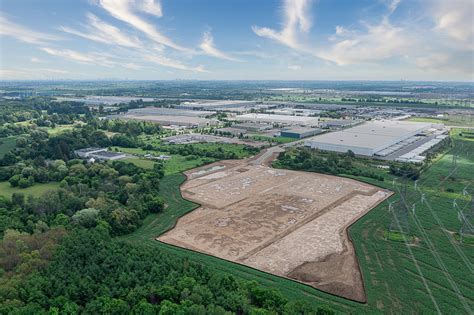
For local companies in manufacturing, logistics, warehousing, contracting, food production, trades, and transportation, this can be a practical way to turn idle balance-sheet value into operating liquidity. Halton Hills is especially relevant for asset-based financing because the Premier Gateway Employment Area sits along the Highway 401 corridor, is the Town’s largest employment area by land area, and offers exposure to Highways 401 and 407. (Invest Halton Hills)
What an equipment sale-leaseback is
An equipment sale-leaseback converts owned equipment into working capital without removing the equipment from the business. The core benefit is liquidity: your company keeps using the asset while cash is released for operating needs.
In plain English, the transaction works like this: your business owns equipment, a funder agrees to buy it at an approved value, and your business leases it back. The equipment stays in use, but the ownership and security structure changes. A leasing reference describes sale-leaseback as a transaction where equipment is sold to a leasing company and then leased back to the original owner, who continues using it.
This is different from selling equipment outright. In a straight sale, you lose the asset and may lose the revenue it helps produce. In a sale-leaseback, the equipment remains available for jobs, production, delivery, warehousing, or service work.
The best starting point is Mehmi’s page on equipment refinancing and sale-leaseback options. If the asset is newer or you are comparing future purchases, also review equipment leasing structures.
Why Halton Hills businesses use sale-leaseback
Sale-leaseback is useful when a business is asset-rich but cash-tight. It is not “free money”; it is a way to convert equipment equity into a structured repayment obligation.
In Halton Hills, that need often shows up in logistics, light industrial, contractors, distribution, food-related operations, and service fleets. A warehouse business may own forklifts and racking but need cash for payroll and inventory. A contractor may own paid-off equipment but need capital for a larger job. A manufacturer may own CNC machinery, packaging equipment, compressors, or shop assets but need liquidity to buy materials before customer invoices are paid.
Local growth also matters. Halton Hills’ Official Plan Review says the Town is expected to grow significantly over the next 15 to 25 years, with a projected population of 132,000 people and 65,000 jobs by 2051. (Halton Hills) Growth can create more demand, but it also forces companies to fund larger crews, more inventory, more vehicles, and longer operating cycles.
The fair but direct take: sale-leaseback is strongest when the unlocked cash has a productive use. It is weaker when it is used to cover repeated losses without fixing margins, pricing, collections, or overhead.
Sale-leaseback vs refinancing vs working capital loans
The right structure depends on ownership, liens, asset value, and repayment source. Sale-leaseback is only one tool.
If the business owns strong assets, sale-leaseback may offer a more collateral-grounded solution than an unsecured working capital loan. If cash gaps repeat every month or season, compare a business line of credit. If the gap comes from slow customer invoices, invoice and freight factoring may fit better.
For companies with receivables, inventory, and equipment, asset-based lending may provide a broader borrowing base.
BDC’s equipment-financing guide emphasizes the complete financing structure when comparing offers.
“Don’t focus only on interest rates”
For the equipment decision discussed here, compare the amount financed, payment schedule, collateral and remaining obligations alongside the quoted rate.
Halton Hills factors that affect the deal
Local context matters because lenders underwrite the business conditions as well as the asset. A Halton Hills sale-leaseback request should explain where the equipment works, what market demand supports repayment, and why the asset remains essential.
The Premier Gateway Employment Area is on the southern edge of Halton Hills along the north side of Highway 401, between Milton and Mississauga, and is described as the Town’s largest employment area by land area. (Invest Halton Hills) That supports a practical financing story for warehousing, transportation, manufacturing, distribution, trades, service fleets, and contractors serving the western GTA.
The Premier Gateway Phase 2B area is also planned to accommodate employment until 2031, with a secondary plan intended to guide land use designations and policies. (Halton Hills) For businesses near Georgetown, Acton, the 401/407 corridor, or nearby industrial nodes, the equipment may be tied to growth in warehousing, service work, yard operations, or regional delivery.
Business licensing can also matter. Halton Hills’ licensing team regulates and monitors business operators for local by-law compliance and consumer protection. (Halton Hills) If the equipment is tied to towing, mobile operations, contractors, a service yard, or customer-facing operations, current licensing helps the file.
Finally, permits and building activity can affect timing. Halton Hills provides building permit statistics and directs users to Building Services for current permit information. (Halton Hills) If the sale-leaseback cash will fund an expansion, new bay, yard improvement, or installation, the cash-flow plan should account for permit and build-out timing.
What equipment works best for sale-leaseback
The best sale-leaseback assets are identifiable, useful, marketable, and easy to value. Lenders prefer equipment with serial numbers, clear ownership history, active resale demand, and enough useful life left.
Good candidates may include forklifts, loaders, excavators, trailers, vocational trucks, compact construction equipment, manufacturing machinery, shop equipment, packaging equipment, compressors, commercial kitchen equipment, medical equipment, service vehicles, and warehouse equipment.
Some assets are harder. Computers, old POS systems, heavily customized equipment, obsolete machinery, and low-value fixtures may not support much advance. A lender will also be careful with equipment that is bolted into a facility, difficult to remove, missing serial plates, or subject to unclear ownership.
If you are unsure whether your equipment is eligible, compare Mehmi’s broader equipment financing options and the guide to collateral for equipment financing in Canada.
How much working capital can you unlock?
The cash available depends on current market value, not original purchase price. Lenders typically advance a portion of the asset’s value because they must account for resale risk, repossession costs, remarketing time, and depreciation.
A simple example:
The advance rate is not fixed. A mainstream forklift fleet with clean ownership may support a stronger advance than a specialized production system with a narrow buyer pool. If an asset still has a loan or lease payout, the payout reduces cash available.
For a deeper cash-out discussion, use Mehmi’s guide to cash-out equipment refinancing in Canada.
What lenders look for before approval
Lenders underwrite the business and the equipment together. The asset supports the transaction, but business cash flow is still the preferred repayment source.
The core underwriting framework is the 5Cs: character, capacity, capital, collateral, and conditions. A credit-risk text describes the 5Cs as character, capacity, capital, collateral, and conditions, including repayment ability, borrower capital at risk, guarantees, and business conditions.
In plain language:
Character is how the owner and business have handled obligations.
Capacity is whether the business can afford the new lease payment.
Capital is how much owner equity remains in the company.
Collateral is the equipment value and recoverability.
Conditions include the local market, industry, rate environment, asset use, and purpose of funds.
Lenders also think in risk components: probability of default, exposure at default, and loss given default. That means they ask: how likely is the business to miss payments, how much money is outstanding if it does, and how much could be recovered from the equipment or other support.
That is why “we own equipment” is not enough. The file must explain why the business needs cash, how repayment happens, and why the equipment will keep producing revenue.
Documents needed for a sale-leaseback
A sale-leaseback file is document-heavy because the lender must verify ownership, title, asset value, insurance, and business capacity. Missing proof of ownership is one of the fastest ways to slow the deal down.
Typical documents include:
Business registration or articles of incorporation.
Recent business bank statements, usually three to six months.
Government ID for signing owners or guarantors.
Equipment list with year, make, model, serial number, VIN, hours, kilometres, and location.
Original purchase invoice or bill of sale.
Proof of payment showing the business paid for the equipment.
Photos of each side of the equipment and odometer or hour meter where applicable.
Registration, if applicable.
Lien search and lien waivers, if applicable.
Insurance certificate.
Recent financial statements for larger requests.
A clear use-of-funds note.
Sale-leaseback funding packages commonly require signed lease documents, IDs, client void cheque or PAD, invoice or bill of sale with the lessee as seller, original purchase invoice, proof of payment, certificate of insurance, lien search, inspection if applicable, and registration transfers where required. Credit guidelines also note that sale-leaseback files may require an invoice and proof of payment, with more documents depending on credit profile and equipment age.
How to use sale-leaseback proceeds wisely
The best use of sale-leaseback proceeds is a use that improves liquidity, protects revenue, or replaces more expensive pressure. The weakest use is covering losses with no operating fix.
Good uses include payroll timing, inventory, supplier deposits, mobilizing for a signed contract, repairing equipment, paying down expensive short-term debt, cleaning up a tax issue with a clear plan, or funding growth that has a visible repayment source.
Weak uses include repeated operating losses, owner draws, underpriced contracts, speculative expansion, or paying old debts while continuing the same cash-flow habits.
Here is the advisor view: sale-leaseback works best when it buys time for a business that already has demand. It works poorly when it buys time for a business that has not fixed pricing, collections, cost control, or margins.
If the need is broader operating capital, compare business loan options. If the need is tied to fast card-sale revenue, a merchant cash advance may be another option, though total cost should be reviewed carefully.
HST and Ontario tax timing
Ontario sale-leaseback transactions can have HST implications. The tax treatment depends on structure, registration status, asset use, documentation, and timing.
As of May 2026, CRA guidance says GST/HST registrants may recover GST/HST paid or payable on purchases and expenses related to commercial activities by claiming input tax credits if eligibility and documentation rules are met. (Canada) CRA also notes that ITC percentages depend on whether expenses and capital personal property relate to commercial activities, and certain vehicle situations have specific rules. (Canada)
The Ontario-specific gotcha is cash timing. HST may be recoverable in the right circumstances, but the business may still need to pay tax before recovery appears through filing. If a sale-leaseback is used to create working capital, do not assume the gross cash amount is the net usable amount until tax, lien, fee, and accounting treatment are understood.
Before signing, read Mehmi’s guide to GST/HST input tax credits on financed equipment in Canada and confirm the treatment with your accountant.
Rate context and payment stress-testing
Rates matter, but the structure matters more. A sale-leaseback should reduce pressure, not simply add another payment.
As of April 29, 2026, the Bank of Canada held the target overnight rate at 2.25%, with the Bank Rate at 2.5% and the deposit rate at 2.20%. (Bank of Canada) Your lease rate will depend on credit, cash flow, asset type, advance rate, term, age, condition, security, guarantees, and lender appetite.
Stress-test the payment. Ask whether the business can still cover payroll, supplier terms, rent, fuel, insurance, HST, repairs, and owner draws if sales fall 10%, receivables pay 30 days late, or a major asset needs service. If the answer only works in a perfect month, unlock less cash, extend the structure, or choose a different product.
Conditions precedent, covenants, and monitoring
Approval is not the same as funding. Lenders often require conditions before advancing money and may monitor the business afterward.
Conditions precedent are items that must be completed before funds are advanced. Examples include signed documents, completed lien searches, proof of insurance, proof of ownership, inspection, registration transfer, payout confirmation, and verified invoices. A commercial lending reference defines conditions precedent as requirements a business must meet before funds are lent.
Covenants are rules or monitoring requirements after funding. The same reference defines covenants as clauses that allow the lender to monitor business performance after money has been lent. In a sale-leaseback, practical monitoring may include proof of insurance, on-time payments, restrictions on selling or moving equipment, financial reporting for larger files, and maintaining the equipment in working condition.
Lenders watch warning signs before a missed payment: declining deposits, NSF items, tax arrears, cancelled insurance, equipment damage, unauthorized asset sale, high-cost debt stacking, or a major customer loss.
Anonymous case study: Halton Hills distributor unlocks equipment equity
A Halton Hills distribution business owned forklifts, dock equipment, a delivery vehicle, and warehouse support assets. The company had grown through new regional customers but was cash-tight because supplier payments were due faster than customer collections.
The owner first asked for an unsecured working capital loan. Bank deposits were strong, but existing short-term payments were already pressuring cash flow. A sale-leaseback was reviewed because the company owned several clean assets with clear serial numbers, invoices, and proof of payment.
The strongest collateral was two forklifts and a newer delivery unit. Older warehouse fixtures were discounted because resale value was weaker. The lender reviewed photos, lien status, insurance, bank statements, and a use-of-funds note. The final structure unlocked enough cash to pay suppliers, reduce expensive short-term debt, and leave a working capital buffer.
From the underwriting lens, the 5Cs lined up. Character was supported by clean repayment history. Capacity improved because the new payment replaced higher-pressure debt. Capital remained visible in the business. Collateral was identifiable and marketable. Conditions were supported by the 401/407 logistics corridor and regional customer demand.
The result was not just cash-out. It was a cleaner payment schedule and better breathing room.
When sale-leaseback is the wrong solution
Sale-leaseback is not right when the business cannot afford the new payment, the equipment is essential but weak collateral, or the cash will be used without fixing the underlying problem.
Avoid sale-leaseback if the business is using proceeds only to cover recurring losses, if tax arrears are growing with no go-forward plan, if the asset is too old or specialized to support value, or if losing the equipment would stop the business completely.
Also be careful with emotional decisions. Some owners dislike selling equipment they “already paid for.” That is understandable. But the real question is not pride of ownership. It is whether the transaction improves the operating business after the new payment starts.
If the asset is aging and no longer reliable, refinancing it may be the wrong move. Read Mehmi’s guide to when to refinance vs replace equipment in Canada before deciding.
Next steps for Halton Hills business owners
The best next step is to build a clean asset package before applying. A strong file helps the lender confirm value, ownership, repayment capacity, and purpose.
Prepare a one-page brief with your business history, equipment list, ownership proof, estimated values, current debt, use of funds, repayment source, equipment location, and why the timing matters. Add Halton Hills context where relevant: Premier Gateway, Highway 401/407 access, Georgetown or Acton service area, warehouse or industrial activity, contractor routes, or regional customers.
Mehmi can help compare sale-leaseback, refinancing, equipment leasing, asset-based lending, working capital loans, and factoring. The goal is not simply to unlock cash. The goal is to unlock cash in a way that makes the business stronger after funding.
Authoritative references
- Innovation, Science and Economic Development Canada — Canada Small Business Financing Program:
The Canada Small Business Financing Program makes it easier for small businesses to get loans from financial institutions by sharing the risk with lenders.
Eligibility, pricing, tax treatment, and program terms can change. Verify current official guidance and final financing documents.
FAQ
Can I do a sale-leaseback if my equipment still has debt?
Possibly, but it becomes more like a refinance. The lender will review the payout balance, current value, liens, and available equity.
If the payout is too close to the equipment’s value, there may be little or no cash-out available.
What equipment is best for sale-leaseback?
Mainstream, identifiable, marketable equipment works best. Forklifts, trailers, construction equipment, vocational vehicles, manufacturing equipment, shop assets, medical equipment, and warehouse equipment may qualify if ownership, condition, and value are clear.
How much cash can I unlock from owned equipment?
It depends on market value, asset type, age, condition, resale demand, lender advance rate, existing liens, and business cash flow. Lenders usually advance a portion of value, not the original purchase price.
Will I still be able to use the equipment?
Yes. That is the point of sale-leaseback. Your business sells the equipment to the funder and leases it back, so the asset remains in daily use as long as lease terms are followed.
Are there HST implications in Ontario?
Yes, there can be. HST treatment depends on the structure, registration status, documentation, and business use.
Input tax credits may be available in the right circumstances, but cash-flow timing still matters. Confirm the treatment with your accountant.
Is sale-leaseback better than a working capital loan?
It can be better when the business owns strong equipment and wants a secured, asset-backed structure. A working capital loan may be simpler for smaller needs.
Sale-leaseback is stronger when the asset value supports the request and the new payment fits cash flow.