
Quick answer: Hydrovac Truck Leasing Canada spreads the cost of using eligible business equipment over an agreed lease term, subject to provider approval. Review the complete asset quote, upfront payments, maintenance responsibilities and the purchase or return option at the end.
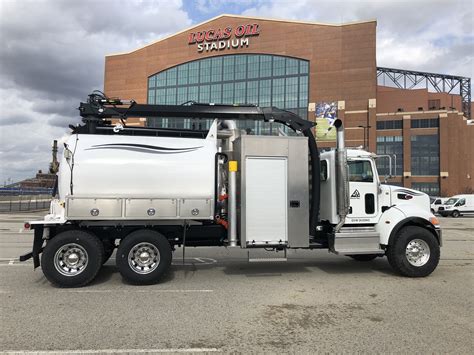
Hydrovac Truck Leasing Canada: Build Funding, Progress Payments, and Timelines
A hydrovac truck is one of the most financing-sensitive assets in Canada because it is rarely “off the shelf.” The chassis, vacuum body, water system, heating, controls, and upfit work create a long timeline and a staged payment schedule, and lenders need the file structured to match that reality. When it is packaged properly, leasing can fund the build with progress payments and keep your working cash intact. When it is packaged poorly, you get delays, surprise cash calls, or a decline right when the builder wants the next deposit.
Why hydrovac builds are different from most truck leases
A hydrovac build often has a chassis order, then an upfit, then change orders, then commissioning, and each stage can move.
Timelines matter because they drive how the lessor controls risk. As of June 2025, a fleet industry report advised planning four to six months for non-upfit orders and eight to twelve months for units requiring upfits. (Work Truck Online) A municipal discussion in Alberta also cited eight to twelve months from order to possession for a hydro vac unit. (The Albertan) Those ranges are exactly why build funding needs structure; you cannot run a long lead-time asset on a “single funding day” mindset.
How Canadian lessors think about build funding risk
The key point is that a lessor worries most about what happens before the truck is deliverable and registerable. Until the unit has a confirmed vehicle identification number and a completed upfit, the collateral is weaker, and recovery is harder if something goes wrong.
Here is the credit brain in plain language using the five-part underwriting framework.
Character is consistency and transparency. If the buyer name changes mid-stream, invoices do not match the legal borrower, or deposits come from unrelated third parties, fraud controls trigger and funding slows.
Capacity is your ability to carry payments even if the build slips. Underwriters will look at your slower months and how your current contracts support the new unit.
Capital is your buffer. A meaningful deposit, or cash held back for change orders, reduces the chance of a stalled build.
Collateral is everything: clear build sheet, clear serial identifiers, and the ability to register the lender’s security when the unit is complete.
Conditions are what is happening around you: supply chain lead times, contractor demand, municipal work seasonality, and your ability to staff an operator.
A practical way to understand the lender’s guardrails is to separate “approval” from “funding conditions.” Approval means the credit decision is yes. Funding conditions are the items that must be true before money moves, such as verified invoices, proof of insurance at delivery, and a clean registration path.
The three build-funding structures that actually work
The key point is that the best structure depends on who is getting paid, when they must be paid, and what proof exists at each stage. In hydrovac builds, the payment schedule is as important as the interest rate.
Structure one: progress draws paid directly to the builder and upfitter
This is the most common approach for custom builds. The lessor agrees to fund in stages, and each stage requires specific evidence, such as an accepted purchase order, a chassis allocation confirmation, an upfit start confirmation, and a completion certificate.
The lessor prefers paying vendors directly because it reduces misuse risk. It also creates a clean audit trail if the file is ever reviewed.
Structure two: staged funding with interim rent
Sometimes the lessor will release early-stage funds, but they start a small interim payment while the unit is being built. This is not a penalty; it is a risk-pricing tool that keeps the file “alive” and reduces exposure during the build period. You negotiate this upfront so it does not become a surprise.
If you want to avoid payment timing surprises on any lease, this is the mindset to apply from day one: avoid payment shock in lease documents.
Structure three: delivery funding only, with buyer-funded deposits
This works when the builder’s deposits are modest and the buyer can carry them without stressing cash. The lessor funds once the unit is complete and deliverable, and the buyer’s deposits reduce the financed amount.
This structure is simple, but it is not always realistic for hydrovac builds because deposits and change orders can be large and timed tightly.
BDC’s equipment-financing guide emphasizes the complete financing structure when comparing offers.
“Don’t focus only on interest rates”
For the equipment decision discussed here, compare the amount financed, payment schedule, collateral and remaining obligations alongside the quoted rate.
What “progress payments” mean in practice for a hydrovac build
The key point is that progress payments are milestone-based, and lenders need a milestone schedule they can verify. In construction and specialty manufacturing, typical payment terms often include an initial deposit followed by progress payments tied to work completed. (NetSuite) Hydrovac builds follow the same logic, even when the asset is a truck.
A lender-friendly payment schedule answers three questions in writing.
What is the milestone; what proof shows it is complete; and who gets paid at that milestone.
When those three items are clear, the lessor can release funds without reopening the credit file every time a vendor asks for money.
A lender-ready timeline for hydrovac truck leasing in Canada
The key point is that speed comes from matching documents to the stage of the build, not from emailing “any invoice you have.” Use a staged package that anticipates what underwriting and funding teams will ask for next.
If you want a clean “one-and-done” approval package that makes this smoother, start with: equipment financing documents for fast approval in Canada.
What documents lenders need from the builder and upfitter
The key point is that lenders fund what they can identify, verify, and register. For hydrovac builds, that means you need more than a quote; you need a traceable paper trail.
At minimum, lenders usually require a purchase order or sales contract showing the legal borrower name, the chassis specifications, and the upfit scope; an itemized quote separating chassis cost from upfit cost; the vendor’s payment instructions; and an estimated build schedule with milestone dates.
They also need identifiers. The chassis will eventually have a vehicle identification number. The upfit may have its own serial identifiers on major components. Clear photos of serial plates at delivery reduce funding friction and help with registration.
If your team is comparing offers, do it using total cost and end-of-term obligations, not only the monthly payment. Two good frameworks are: compare equipment financing offers the right way and compare offers checklist and red flags.
The registration and lien issue that can stall a hydrovac funding
The key point is that lenders will not fund a unit they cannot secure properly, and build-stage confusion can create registration problems at delivery.
In most provinces, lenders register their security interest against personal property through the provincial system. Ontario provides a public service for registering a notice of security interest and for searching liens on personal property. (Ontario) Ontario’s Personal Property Security Act also includes rules around discharge and amendments of registrations, which is relevant when older registrations need to be cleared. (Ontario)
This matters in hydrovac deals because you may be trading in a unit, refinancing an older unit, or buying an older chassis that is being repurposed. If an old registration remains active, it can delay delivery funding.
If you want the borrower-side explanation in plain language, read: liens explained for Canadian borrowers and how they delay funding.
Taxes and write-offs: the Canadian details businesses miss
The key point is that leasing costs and consumption taxes affect cash flow timing, especially when your build takes months. Canada Revenue Agency guidance explains that businesses can deduct lease payments incurred in the year for property used in the business, subject to the applicable rules. (Canada) Canada Revenue Agency also explains that place-of-supply rules determine where a sale, lease, or other taxable supply is made for goods and other tangible personal property, which impacts the applicable goods and services tax and harmonized sales tax rate. (Canada)
In hydrovac builds, the timing “gotcha” is that deposits and progress payments can hit before you have revenue from the new unit. Even if you can recover input tax credits, that is usually not immediate. Planning for that gap is part of a lender-ready budget.
For a Mehmi explanation focused on leasing, see: goods and services tax and harmonized sales tax on equipment leases in Canada.
How to prevent timeline slippage from becoming a financing problem
The key point is that build delays are normal, but financing stress is optional if you plan for it. A hydrovac timeline can move because the chassis slot shifts, the upfitter backlog grows, or a change order adds parts lead time. (Work Truck Online)
Underwriters get nervous when the delivery date moves and nobody updates the file. The practical fix is to agree upfront on how often the vendor will provide written status updates and what triggers a revised milestone invoice. When the lessor can see the project moving, they do not need to reopen credit every time an email arrives.
This is also where the right lease structure matters. If you want end-of-term certainty, you choose a structure with a clear buyout. If you want more flexibility, you accept that the buyout may be closer to market value. Use this to align term and buyout to how you actually run the truck: term and buyout checklist for Canadian equipment leases and what makes an equipment lease “good” in Canada.
A realistic example: turning build costs into a payment that matches job seasonality
The key point is that the “right” payment is the one you can carry through slow months, not the one that looks smallest on paper.
A simple sanity check you can run before you sign a purchase order is to compare a conservative monthly payment to your expected monthly gross margin from one truck. If the payment would require the truck to be booked solid every week to break even, you are building fragility into the business. A lender will see the same thing and either ask for more cash down or shorten the term.
If you are unsure whether leasing is the right path versus other structures like refinancing existing equipment equity, read: how to choose equipment financing in Canada and, if you already have a unit with equity, sale-leaseback in Canada to unlock cash from equipment.
Anonymous case study: hydrovac build funded with staged progress payments
A Western Canadian contractor with several years of operating history won recurring municipal and utility work and needed another hydrovac unit before peak season. The business did not want to drain working cash because they were carrying payroll and fuel costs while ramping up. The builder required an initial deposit, then milestone payments tied to chassis allocation and upfit completion.
The risk was timeline drift. If delivery slipped, the business could end up paying deposits for months without earning revenue from the new truck, and the lender could pause funding if milestone proof was unclear.
Mehmi structured the file as a staged-draw lease where the lessor paid vendors directly at pre-agreed milestones. Each draw required a specific document, including an accepted purchase order, a milestone invoice matching the schedule, and written build status confirmation. The business carried a planned cash buffer for change orders so they did not need emergency funding mid-build. The unit delivered, the payments started at commissioning, and the business avoided the common “deposit hangover” where cash is tied up long before the first job is billed.
If your current lease is nearing maturity and you are thinking about keeping the unit while upgrading, it is worth understanding buyout funding options: how to finance a lease buyout in Canada and lease buyout financing case study and checklist.
Are you looking for a truck? Look at our used inventory (related Mehmi financing page).
A calm next step
If you are ordering a hydrovac build, the fastest path is to align the builder’s milestone schedule with a lender’s staged funding requirements before you place the order. Mehmi Financial Group can review the purchase order, confirm what documents your builder must provide at each stage, and structure progress payments so you do not get surprised by timing gaps. Feel free to contact our credit analysts.
Authoritative references
- Innovation, Science and Economic Development Canada — Canada Small Business Financing Program:
The Canada Small Business Financing Program makes it easier for small businesses to get loans from financial institutions by sharing the risk with lenders.
Program eligibility, lender criteria, tax treatment, and product terms can change. Verify current official guidance and the final financing documents before making a decision.
Frequently asked questions
Can a Canadian lessor fund a hydrovac truck while it is still being built?
Yes, many can, but they usually require staged funding tied to milestones, with funds paid directly to the builder or upfitter, and clear proof at each stage.
What is the single most common reason build funding gets delayed?
Mismatched documentation, especially when the invoice buyer name does not match the legal borrower name, or when the build scope changes without an updated, itemized quote.
How long should I plan for a hydrovac build timeline in Canada?
Custom and upfitted units often require longer lead times than standard orders. Industry guidance and public municipal discussions have cited eight to twelve months for upfitted or specialized units. (Work Truck Online)
Do I pay goods and services tax and harmonized sales tax on lease payments?
In many cases, yes. Canada Revenue Agency explains that place-of-supply rules determine where a lease or other taxable supply is made for goods and other tangible personal property, which affects the applicable rate. (Canada)
Are lease payments deductible for Canadian businesses?
Canada Revenue Agency guidance indicates that businesses can deduct lease payments incurred in the year for property used in the business, subject to the rules that apply to the specific situation. (Canada)
What should I do if an old registration or lien shows on a truck I am upgrading or repurposing?
Expect the lender to require a clear discharge path before funding delivery. Ontario provides access to register and search liens on personal property, and the Ontario Personal Property Security Act includes rules on discharge and amendment of registrations. (Ontario)