
Quick answer: If you operate in Prince Rupert, equipment downtime is not a minor inconvenience. A forklift that fails, a yard trailer that is unsafe, or a service truck that cannot keep up can quickly turn into missed cutoffs, container backlogs, and overtime that quietly bleeds margin.
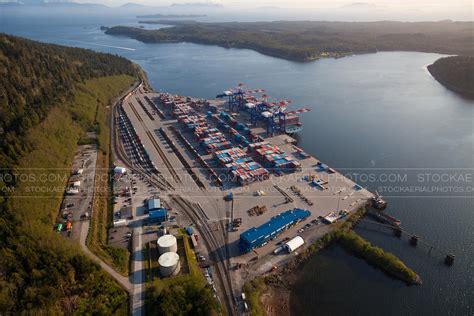
Prince Rupert Port Equipment Financing for Forklifts, Yard Gear, and Service Tools
The good news is that Prince Rupert port equipment financing is very workable in Canada when the deal is structured around how port yards actually run.
This guide covers how lenders look at forklifts, yard gear, and service tools in Prince Rupert, what makes approvals fast, how seasonal or cycle-based terms can be structured without creating future cash stress, and what to submit so a file funds cleanly the first time.
If your operation also relies on drayage power units and trailers, this related page helps frame how transport collateral is typically structured in Canada: Truck & Trailer Financing.
Why Prince Rupert changes the financing conversation
Prince Rupert is not “just another industrial town.” The port complex and its infrastructure shape equipment utilization, maintenance patterns, and lender comfort.
Fairview Container Terminal is a dedicated intermodal facility operated by DP World, built around high-velocity container trade. (Prince Rupert Port Authority) That matters because high velocity creates high wear. In underwriting terms, high utilization is good for revenue, but it raises maintenance expectations and increases the cost of downtime.
The Fairview–Ridley Connector Corridor is a private haul road on Kaien Island designed to improve drayage efficiency between port areas and reduce traffic impacts. (Prince Rupert Port Authority) In practical terms, better flow usually increases equipment cycles per day. That makes your forklift, yard tractor, and service tools more “mission critical,” and it makes maintenance planning more central to a lender’s view of repayment reliability.
Prince Rupert is also a year-round bulk and container environment. Ridley Terminals is a marine terminal in Prince Rupert providing year-round bulk commodity loading and offloading services. (oag-bvg.gc.ca) Year-round operations reduce true “off-season,” but they often create predictable cycle peaks. The right structure is less about skipping payments and more about matching payments to the months your yard is busiest and your maintenance spend is heaviest.
Finally, timing discipline is part of the operating reality. Canadian National publishes port service and export cutoff grids for Prince Rupert. (cn.ca) When deadlines are fixed, breakdowns get expensive fast, and lenders tend to prefer equipment plans that include a clear service strategy rather than a “repair later” mindset.
What lenders mean by “financeable” port equipment
The key point is that lenders finance what they can identify, insure, and resell without drama, and what your cash flow can comfortably carry. The equipment category matters, but the bigger drivers are condition evidence, documentation quality, and whether the term fits the asset’s remaining working life.
Forklifts and materials-handling equipment are typically financeable when they are mainstream models with clear serial identification and a normal resale market. Yard gear is financeable when specs are standard and the equipment is not so customized that only one buyer would want it. Service tools are financeable when they are packaged properly through a vendor, and when the use case clearly supports uptime and productivity.
A Canada-specific detail many operators overlook is safety and training. In British Columbia, WorkSafeBC states that workers must be trained to the Canadian Standards Association standard for industrial lift truck operator training and must pass the test before operating a forklift, with upgrade training at least every three years. (WorkSafeBC) From an underwriting perspective, this affects risk management and insurance comfort, which can affect funding speed.
Forklifts, yard gear, and service tools: how to package each one so it funds
This section is about making your request “underwriter-readable” on the first pass.
If you are buying used equipment through a private seller, documentation becomes the deal. This is the most relevant reference for what private transactions usually need to be finance-ready: Private Sale Equipment Financing in Canada.
Leasing versus buying in a port yard
The key point is that leasing often protects cash flow better in high-wear environments, because it lets you structure payments around usage and keep liquidity for repairs, tires, and unexpected downtime.
From Mehmi Financial Group’s perspective, the decision is rarely “lease good, buy bad.” It is usually about matching structure to the asset’s working life and your maintenance reality. A forklift that runs hard in a port environment can be a strong revenue driver, but it is also a wear item. Leasing can reduce the risk of locking yourself into a long repayment schedule right as repair costs climb.
End-of-term structure matters more than most operators expect. A one-dollar buyout structure has different cash and flexibility tradeoffs than a higher residual structure. This guide explains those tradeoffs in plain language: Equipment Lease Terms in Canada.
The underwriter lens in plain language
The key point is that approvals are not based on “gut feel.” They are based on a consistent risk framework and evidence that your operation can repay under normal stress.
A common credit analysis framework is the five Cs: character, capacity, capital, collateral, and conditions. In port equipment deals, capacity and collateral do most of the work.
Capacity is whether your cash flow can cover the payment even when containers slow, labour costs spike, or a customer pays later than expected. Collateral is whether the equipment is identifiable, insurable, and liquid enough to protect the lender if the business hits trouble.
Conditions are not “fine print.” Conditions precedent are specific items that must be satisfied before funds are advanced, such as security being in place or valuations completed. Covenants are the clauses that allow a lender to monitor performance after funding.
Monitoring is also real. A prudent lender does not want to discover a problem only after a missed payment and prefers to spot warning signs earlier. For port operators, the cleanest way to reduce monitoring friction is nd document well.
What to submit to avoid delays
The key point is that “fast approvals” are usually created by complete files, not by rushing. Incomplete submissions create back-and-forth, and back-and-forth is where deals die.
For typical equipment files under one hundred thousand dollars, credit packaging commonly expects a completed credit application, full equipment specifications or vendor quote with make, model, year, and hours, a brief business summary, and the proposed structure such as term, down payment, and r
When credit is weaker or the asset is older, lenders commonly want the lasments identified as the client’s and provided in a single portable document format file, not as many separate image files. sting equipment, lenders often ask for full equipment specifications, equipment registration, buyout information if applicable, photos from four sides, and the reason for refinancing, which is treated as very important.
If you want to pressure-test affordability before you apply, these tools help frame the same questions underwriters ask: the Equipment Financing calculator, the Interest Rate calculator, and the Debt Service Coverage Ratio calculator.
“Seasonal terms” for Prince Rupert usually mean “cycle-based terms”
The key point is that Prince Rupert is active year-round, so the best structure is often tied to cycle peaks and maintenance windows, not a generic winter discount.
Port operators often have predictable patterns: peak container periods, planned maintenance windows, and staffing cycles. If your business sees a reliable margin peak in certain months, a stepped payment schedule can reduce stress in slower periods while still paying down the balance responsibly.
Where operators get hurt is when they push the term too long to get the lowest payment. That can look smart until the forklift is older, the shop tools need replacement, and you are still making payments on equipment that is no longer delivering the same uptime advantage.
If your operation includes drayage tractors and you are aligning yard equipment decisions to your transport cycle, this cluster article can help you think through the road-side economics as well: Highway Tractor Leasing and Financing in Canada.
Refinancing and sale and lease back for forklifts and yard gear
The key point is that converting owned equipment into working capital can be useful, but it must be structured so cash flow improves after the dust settles.
Refinancing can make sense when you own a forklift or yard asset free and clear and need liquidity for parts, inventory, payroll timing, or a contract ramp. Under many lender processes, the reason for refinancing is treated as very important, and the documentation set includes specifications, registration, buyout detail if applicable, and photos.
A sale and lease back structure can also be used to unlock cash while keeping the equipment in use, but lenders tend to be conservative because borrowers seeking working capital are often already under cash pressure. The healthiest version of this strategy is when the cash is tied to a plan that increases margin and reduces operational risk, such as reducing downtime with better tools or stabilizing staffing for a new contract.
For tax treatment, keep it simple: the Canada Revenue Agency explains that lease payments incurred in the year for property used in your business are deductible. (Canada) If you want a practical, business-owner-friendly overview of how deductibility is commonly discussed, read [Is Equipment Financing Tax Deductible in Canada?](related financing guide For a related capital cost allowance discussion many operators reference during planning, this explainer is useful: [Capital Cost Allowance for Truck Purchases in Canada](related financing guide canada?srsltid=AfmBOopFfcL3Pwg3rKhkF5mPvjAJTcp-Td27ftUQorgKIjws8Ea1rlJT).
Case study: a Prince Rupert yard operator upgrading forklifts and service tools
A Prince Rupert container-adjacent service company was relying on one aging forklift and a patchwork of tools that made every breakdown take longer than it should. The business had steady year-round work, but cash flow was uneven because customer billing cycles were not aligned with repair spikes and parts shipments.
The original request was simply “a bigger forklift.” The underwriter problem was broader: uptime risk, repair risk, and the cost of missing deadlines tied to port cutoffs. The lender also needed confidence that the operator had a safety and training plan for forklift use consistent with British Columbia expectations, where WorkSafeBC points to training requirements aligned to the Canadian Standards Association standard for industrial lift truck operator training. (WorkSafeBC)
Mehmi Financial Group structured the deal as two pieces: a forklift lease sized to the realistic working life of the unit, and a shorter structure for service tools purchased through a reputable vendor invoice. The file was packaged with full specifications, clear photos, and bank statements provided in one portable document format file, consistent with what lenders ask for when risk is higher or assets are older.
The outcome was not just approval. It was operational stability. Fewer emergency repairs turned into less overtime, fewer missed pickups, and a more predictable monthly cash profile.
If you are expanding capacity and also considering whether replacing equipment might be smarter than repairing it, you can compare options in Mehmi’s used inventory.
A practical next step for Prince Rupert operators
If you want this to fund quickly, treat financing like a port operation: tight documentation, clear schedules, and no ambiguity. Choose mainstream equipment where possible, document condition clearly, align term to remaining working life, and size payments to your conservative month, not your best month.
Feel free to contact our credit analysts at Mehmi Financial Group if you want a quick review of your quote and a suggested structure that fits port realities in Prince Rupert.
Authoritative references
- Innovation, Science and Economic Development Canada — Canada Small Business Financing Program:
The Canada Small Business Financing Program makes it easier for small businesses to get loans from financial institutions by sharing the risk with lenders.
Program eligibility, lender criteria, tax treatment, and product terms can change. Verify current official guidance and final financing documents before making a decision.
Frequently asked questions
Can a Prince Rupert business finance a used forklift?
Yes, used forklifts are often financeable when the model is mainstream, the serial identification is clear, and the condition is documented with photos and service history. The termning working life to avoid cash flow stress later.
Do lenders finance shop tools and service equipment, or only big assets?
Service tools can be financeable, especially when purchased through a reputable vendor invoice with clear line items and a clear business case tied to reducing downtime. Shorter terms often fit best because the productivity payoff is usually front-loaded.
What is the most common reason port equipment deals get delayed?
Incomplete specifications and unclear documentation. Credit packaging often requires full equipment specs, a clear quote, and, when risk is higher, bank statements in a single portable document format file.
Can I refinance a forklift I already own to access working capital?
Often, yes, if the forklift is acceptable collateral and your cash flow supports the new payment. Many lenders ask for specs, registration, photos, and a clear reason for refinancing, which is treated as very important.
Do I need forklift operator training in British Columbia?
Employers are expected to ensure workers are trained to the relevant Canadian Standards Association training standard and have passed the test before operating a forklift, with upgrade training at least every three years, per WorkSafeBC guidance. (WorkSafeBC) This affects safety, insurance comfort, and operational risk.
How do port deadlines affect financing decisions?
Prince Rupert operations often run against fixed rail and port schedules. Canadian National publishes export cutoff grids for Prince Rupert, and missed timing can quickly turn into extra cost and disrupted utilization. (cn.ca) Lenders prefer structures and maintenance plans that reduce the chance of that disruption.
Source perspective
BDC’s equipment-financing guide emphasizes the complete financing structure when comparing offers.
“Don’t focus only on interest rates”
For the equipment decision discussed here, compare the amount financed, payment schedule, collateral and remaining obligations alongside the quoted rate.