

Restaurant equipment leasing can help you get a kitchen ready without paying the full equipment cost upfront. The right fit depends on what you need, how long you’ll use it, and the full cost of the agreement. Here are four Canadian options to compare, plus how Mehmi Financial Group can help you review financing choices.
We analyzed 35 comments and questions from Reddit, Quora and YouTube about restaurant equipment leasing and found that 31% mentioned cash flow impact.
1. EconoLease: Flexible terms for cafés and restaurants
EconoLease is an equipment financing option for independent cafés, full-service restaurants, start-ups and established businesses. Its stated lease terms range from 12 to 60 months, which gives you room to compare shorter commitments with longer payment schedules.
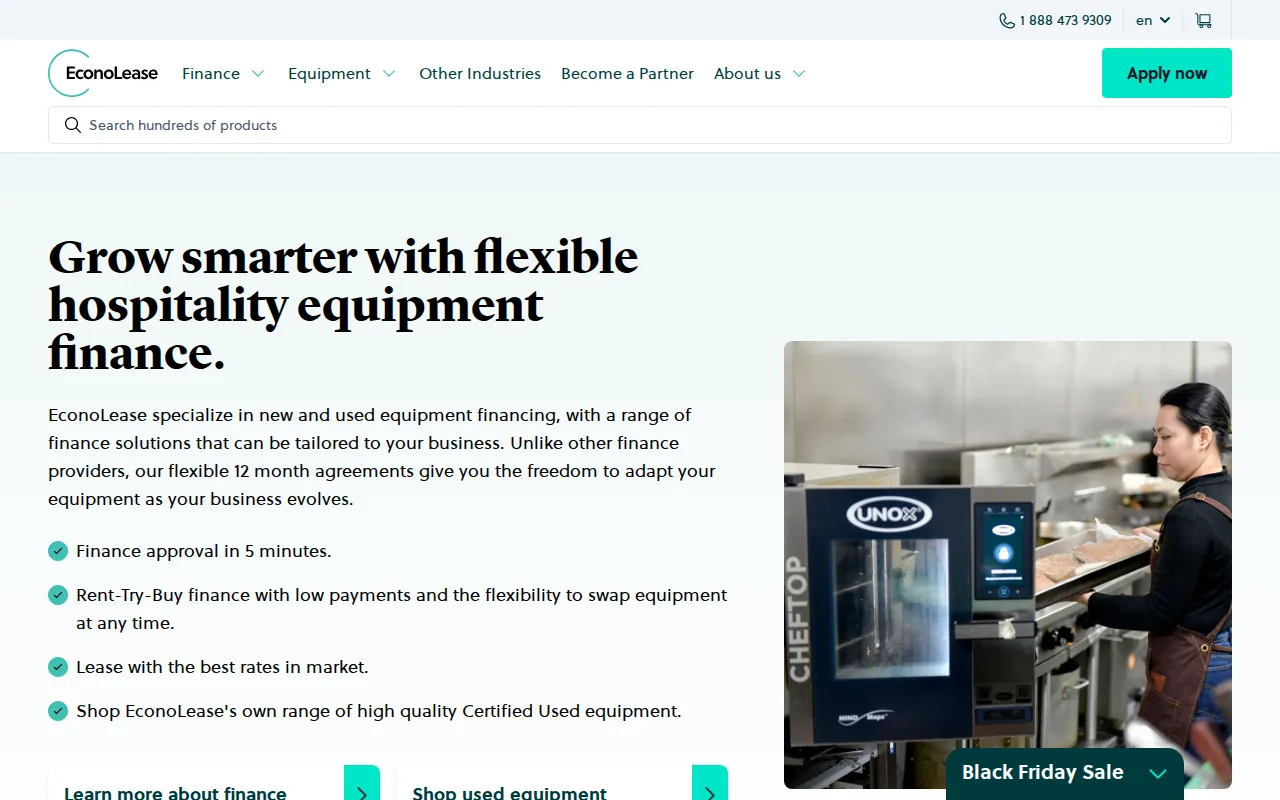
That range may be useful if you’re fitting out a new café or replacing a key piece of equipment in a busy restaurant. Ask how the term affects each payment, the total amount you’ll pay, and what happens when the agreement ends. A lower monthly payment can come with a longer commitment.
Before you apply, prepare the equipment quote and your purchase plan. Mehmi Financial Group helps Canadian businesses compare commercial equipment financing options, including leasing, based on the asset and the business’s needs.
2. CWB National Leasing: A restaurant-oriented Canadian option
CWB National Leasing is a Canadian equipment finance company that serves restaurant businesses. Its restaurant focus makes it a relevant name to include when you’re asking for quotes on a larger kitchen purchase.
Equipment leasing can help keep more cash available for day-to-day needs while you put an asset to work. CWB’s listed reasons to consider leasing include faster access to equipment, added buying power and potential tax savings. Tax treatment depends on the contract and your business, so ask your accountant before counting on a tax benefit.
When you request a quote, give each provider the same equipment details. Include the make and model, condition, price, seller information and intended use when you have them. That makes it easier to compare terms on the same purchase.
3. Lease Link Canada: Lease-to-own for private, dealer and auction purchases
Lease Link Canada provides lease-to-own equipment financing for Canadian businesses buying through a private sale, dealership or auction.
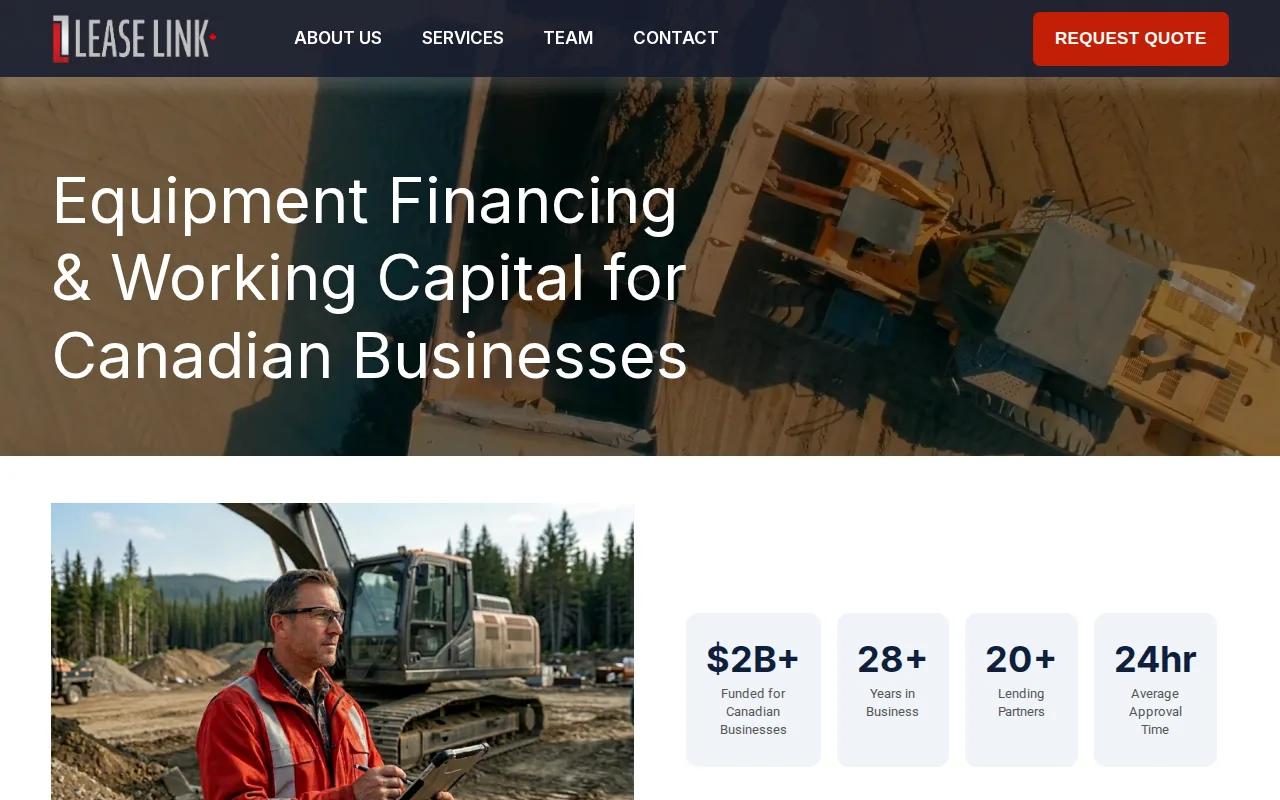
The lease-to-own structure is worth considering when your goal is to keep the equipment after payments are complete. Ask for the full payment schedule and confirm how ownership transfers. If you’re buying used equipment through a private seller, check which ownership, inspection or lien documents the lender needs.
Lease Link Canada also describes working capital and equipment refinancing services. Those are different from financing a new kitchen asset, so keep the request focused. If the immediate need is a refrigerator or oven, ask for a quote tied to that equipment rather than combining it with unrelated cash-flow needs.
4. Canlease: Service-industry equipment
Canlease is an equipment financing broker with options for service-industry equipment. Canlease can help finance coffee machines, commercial grills and point-of-sale systems.
That makes it a useful name to consider if you’re setting up a café counter or replacing a grill and payment system. Ask whether the items can go into one request or need separate quotes. That detail can affect how you plan delivery and installation with the seller.
Canlease describes access to lease payment quotes for equipment. Compare any quote with the asset price and the full repayment cost, not just the amount due each month. The agreement itself should spell out the payment schedule and what you’ll owe at the end.
Compare the four restaurant equipment leasing options
Use the table to decide which providers belong on your first quote list. The strongest match depends on the asset and how you want to handle it at the end of the agreement.
| Provider | Best fit | Detail to compare |
|---|---|---|
| EconoLease | Independent cafés, restaurants, start-ups and established businesses | 12 to 60-month lease terms |
| CWB National Leasing | Restaurants seeking an equipment finance quote | Payment schedule and potential tax effects |
| Lease Link Canada | Businesses buying equipment through a dealer, private sale or auction | Lease-to-own terms and down payment |
| Canlease | Service businesses financing items such as coffee machines or POS systems | Quote structure for each asset |
Mehmi Financial Group is a financing brokerage, not one of these named providers. We can help you compare lender options and prepare a request around the equipment and your business’s cash flow.
Costs, lease terms and approval: a Canadian buyer’s checklist
There isn’t one standard rate or payment for every kitchen asset. Pricing can vary by lender, credit profile, asset, term, amount and market conditions. Compare the full cost, including fees, payment frequency, prepayment terms, any residual or buyout amount, and variable-rate rules.
Leasing can preserve upfront cash for payroll, food stock or repairs. Buying outright may cost less over time if you have the cash and expect to keep the equipment. Equipment financing options, including a loan, may provide another path to ownership. Tax treatment varies, so confirm it with your accountant rather than assuming a lease creates a tax saving.
Terms vary by provider. EconoLease lists 12 to 60 months; check with each provider for available lease periods. For any quote, check whether the payment period fits the equipment’s expected useful life and your busy or slow seasons.
Before you submit an application
- Get an equipment quote with the make, model, condition, price and seller details.
- Separate the equipment price from tax, delivery and installation costs. Confirm which costs the financing covers.
- Prepare a short purchase plan that explains the business location, intended use and timing.
- Gather the financial records the lender requests. Approval depends on review of the business and transaction.
- Ask what happens at the end: keep the asset, buy it out, return it or discuss an upgrade.
Credit needs and down payments vary by lender and deal. If a bank has declined your request, that doesn’t settle every financing option. Mehmi Financial Group helps businesses prepare equipment requests and compare available lenders, subject to review and approval. Our equipment financing application checklist can help you organize the quote and purchase details.
Restaurant equipment leasing may also affect how an agreement appears in your financial records. The treatment depends on the lease structure and the accounting rules your business follows. Ask your accountant how a proposed agreement should be recorded before signing.
Frequently asked questions
How does restaurant equipment leasing work?
Restaurant equipment leasing lets a business use equipment in exchange for scheduled payments under a contract. The agreement sets the term and explains what happens when it ends. Depending on the structure, you may be able to buy the equipment, return it or continue with another arrangement. Review fees and end-of-term costs before you sign.
How much does it cost to lease restaurant equipment?
The cost depends on the asset, lender, term, credit profile and agreement details. Compare the total repayment amount, not only the regular payment. Check for fees, payment frequency, prepayment rules and a possible residual or buyout amount. Get a written quote tied to the exact equipment you plan to purchase.
What lease term is common for restaurant equipment?
Terms differ by provider and agreement. Ask each provider about available terms and how the term changes the total cost. Consider whether the equipment is likely to remain useful throughout the full contract.
Can a new restaurant qualify for equipment leasing?
A new restaurant can ask about financing, but approval depends on lender review and the details of the request. Prepare the equipment quote and a clear purchase plan. Lenders may also ask for business and financial records. A broker can help you organize the request and compare options, but no approval is certain.
What happens at the end of an equipment lease?
The contract sets the end-of-term choice. Depending on the arrangement, you may be able to buy the equipment, return it, upgrade or meet a residual obligation. Ask each provider what end-of-term options apply and read the agreement itself, since options can differ across products and providers.
Conclusion
Start with a quote from providers that fit your equipment and preferred end-of-term plan, then compare the full cost. If you want help preparing the request or reviewing lender options, contact Mehmi Financial Group through our restaurant equipment leasing support and share the equipment quote and your purchase timeline.