
Quick answer: If you run a mobile service business, a service truck is not “nice to have.” It is your shop, your parts room, your dispatch unit, and your revenue engine. The smartest way to acquire one in Canada is usually leasing: you keep cash in the business, you match payments to the work, and you avoid tying up a large lump sum in a truck that will keep evolving as your service offering grows.
Key points
- A service truck is usually a truck chassis plus an upfit: service body, drawers, compressors, generators, welders, cranes, lubrication systems, lighting packages, inverters, and jobsite safety add-ons.
- Leasing is similar to a loan, but the lender owns the equipment and your business pays rent over an agreed term.
- A strong service truck deal is not approved because the truck is cool.
- The structure you choose should match how you are acquiring the truck, not what sounds best on paper.
Financing options to compare
| Option | Best suited for | Repayment structure | What to compare |
|---|---|---|---|
| Equipment loan | Businesses planning to own the asset | Fixed scheduled payments | Down payment, term, fees, lien, prepayment |
| Equipment lease | Businesses prioritizing payment flexibility | Scheduled lease payments | End-of-term option, residual, fees, buyout |
| Business line of credit | Smaller recurring purchases or deposits | Revolving balance | Draw limits, interest, renewal, security |
Terms, eligibility and costs vary by lender and borrower profile. Compare the full financing agreement rather than relying on a single payment or rate.
Quick answer: Learn how service truck leasing works in Canada, what underwriters verify, typical terms, documents needed, and how to avoid funding delays.
Service Truck Equipment Financing and Leasing in Canada
In this guide, you will learn how service truck financing and leasing approvals actually work in Canada, what underwriters look for (in plain language), how to structure deals when there is a service body and crane involved, what documents prevent funding delays, and how to avoid the most common mistakes that turn “fast approval” into a week of back-and-forth.
BDC’s equipment-financing guide emphasizes the complete financing structure when comparing offers.
“Don’t focus only on interest rates”
For the equipment decision discussed here, compare the amount financed, payment schedule, collateral and remaining obligations alongside the quoted rate.
What lenders mean by “service truck” (and why it matters)
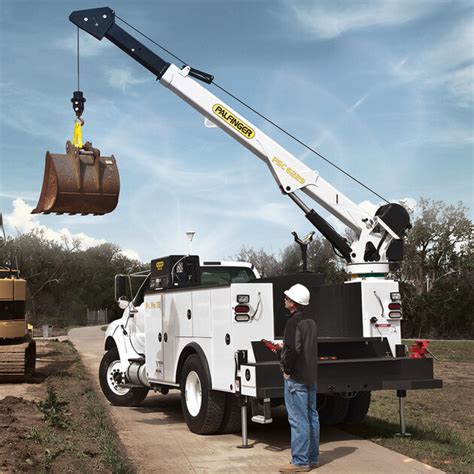
A service truck is usually a truck chassis plus an upfit: service body, drawers, compressors, generators, welders, cranes, lubrication systems, lighting packages, inverters, and jobsite safety add-ons. In lending terms, that creates two risks that do not exist on a basic pickup.
The first risk is collateral clarity. Underwriters want the asset to be clearly identified and easy to re-market if the worst happens. That is why lender funding packages obsess over clean invoices and identification for serialized assets, including motorized vehicles, and require year, make, model, and serial number.
The second risk is build risk. Many service trucks are not delivered “complete” on day one. The chassis may arrive first, then the service body is installed later, and the crane or compressor comes after that. Underwriters can fund staged builds, but only when the paperwork explains exactly what is being delivered, when it is delivered, and who gets paid at each stage.
That is the core theme of service truck leasing in Cana financeable; the approval speed is determined by documentation, delivery evidence, and how clean the asset trail is.
Why leasing is often the best fit for service trucks
Leasing is similar to a loan, but the lender owns the equipment and your business pays rent over an agreed term. That ownership piece is why service trucks can be approved quickly when they fit policy: the lender has a clear asset they can secure, and they can price the risk based on your business plus the truck’s resale value.
Leasing is also flexible. Many programs can structure payments around your cash flow cycle. That matters because service work is often seasonal (construction shutdown periods, winter ). The “right” payment is the one you can keep paying in your slow months without squeezing payroll.
A practical Canadian tax note: the Canada Revenue Agency’s general guidance is that you can deduct lease payments incurred in the year for property used in your business. (Canada) For motor vehiclesada Revenue Agency also provides specific guidance on deducting vehicle leasing costs. (Canada) Your accountant should confirm treatment for your structure, especially if there is a buyout at the end.
The underwriter lens: how service truck approvals really get decided
A strong service truck deal is not approved because the truck is cool. It is approved because the borrower and the truck score well on five core credit factors: character, capacity, capital, collateral, and conditions.
Character: trust and paperwork discipline
Character is not “personality.” It is whether your story is consistent and your documentation is clean. Underwriters notice when an application is missing basic items or when the vendor invoice keeps changing. A funding checklist typically requires a complete signed lease contract, valid identification, a void cheque for payments, proof of insurance listing the funder properly, and the vendor invoice. When those are provided cleanly, approvals move.
Capacity: can cash flow carry the payment
Capacity is the business’s ability to repay. With service trucks, capacity is often assessed through bank statements, recent contracts, and whether your payment request matches your revenue reality.ke a preventable mistake: they choose the lowest monthly payment possible, then they add insurance, fuel, maintenance, shop rent, and parts inventory and realize the “cheap payment” still crushes cash flow.
A contrarian but fair take: the cheapest payment is not always the safest payment. A payment that is slightly higher but paired with a cleaner end-of-term plan and fewer surprises often keeps you fundable for your next truck.
Capital: what signals)
Capital is the owner’s money at risk. Down payment is not just a lender requirement. It is a signal th, and you will protect the asset. On used service trucks, a stronger initial contribution can also offset concerns about mileage, age, or a specialized body.
Collateral: the service truck must be re-marketable
Collateral is the guarantees behind repayment. Service trucks can be excellent collateral, but only if the build is standard enough that another operator would buy it. A chassis with a common service body has broad demand. A hyper-specialized build (custom hydraulics, niche crane configuration, unusual body brand) may require a higher down payment or a stricter inspection because re-marketing is harder.
Conditions: structure, term, and the economic backdrop
Concture and general environment, including interest rates. In Canada, lender cost of funds and pricing is influenced by the Bank of Canada’s policy rate. As of January 2026, the Bank of Canada held the target for the overnight rate at 2.25 percent. (Bank of Canada) Your actual lease pricing will be that base environment plue in business, credit history, documentation quality, and truck resale strength.
Common service truck deal types in Canada
The structure you choose should match how you are acquiring the truck, not what sounds best on paper.
What underwriters will ask about your service truck build
Service trucks are not “just vehicles.” Underwriters will ask questions that map to three practical themes: what exactly is being financed, who exactly is getting paid, and what exactly is delivered.
First commonly require vendor invoices to include details like year, make, model, and serial number for serialized assets, and if the equipment is used the year must be indicated.
Second is invoice logic. Funding teams often reject quotes, sales orders, or proforma invoices and require a real vendor invoice, with the “sold to” made out correctly and “ship to” matching the lessee and address. Deposits paid directly to the vendor must be mentioned on the invoice.
Third is delivery and acceptance. Many lenders require proof that the equipment has been delivered before funding. An acceptance letter (sometimes called a delivery and acceptance) is commonly used to confirm the equipment has been delivered and accepted and that funds can be released to the vendor. On staged builds, that acceptance logic may happen twice: once for the chassis, once for the completed upfit.
Canadian compliance: why inspections and safety documentation can affuck is used commercially, you are operating inside a safety framework that expects daily trip inspections to identify defects early and prevent unsafe operation. Transport Canada describes this daily trip inspection rrcial vehicle safety framework, aimed at early identification of problemicles with conditions likely to cause collisions or breakdowns. (Transport Canada) The Canadian Council of Motor Trablishes standards that describe the objective of daily trip inspections as improving safety and compliance for commercial vehicles. (CCMTA)
Why does this matter for financingcollateral protected. If a truck is constantly sidelined for compliance issues, breakdowns, or preventable defects, the probability of missed payments rises. You do not need to overwhelm your lender with paperwork, but you do want to demonstrate that you run a compliant operation: proper maintenance habits, correct insurance, and a credible plan for safe operation.
Insurance: the funding condition that surprises people
Most service truck deals do not fund until insurance is in place, and the lender is named correctly. Funding checklists typically require insurance that lists the funder as additional insured and loss payee with written cancellation notice.
If you want fast funding, treat insurance as a condition that must be satisfied before money moves, not after approval. In lender language, these are conditions precedent: specific conditions that must be met before funds are lent.
Staged builds: how to lease a chassis, body, and crane without chaos
Service truck builds often involve multiple suppliers. One sells the chassis, another installs the service body, another installs the crane, compressor, lighting, and tool packages.
The clean way to finance this is to structure the deal around staged delivery, with a clear funding plan and clear evidence at each stage. You want the paper trail to answer three questions.
What is being bought at each stage, and what is the final completed unit.
What is the expected delivery timeline and where the asset is located.
What proof of delivery or acceptance will be provided so the funder can release money.
This is also where dealer discipline matters. Funding teams often refuse photos or screenshots of contracts and want clear scans. If you provide partial documents or incn stops until it is complete.
How to sanity-check a service truck quote before you sign anything
Most “deal regret” happens because owners compare one monthly payment to another without comparing wBefore you accept any quote, make sure you can answer these questions in writing.
What is included in the financed amount: chassis, service body, crane, compressor, installation labour, freight, and any safety add-ons.
What is due at signing: first payment, documentation fees, deposits, and sales tax timing.
What happens at the end: do you own it for a fixed price, do you buy it for market value, or do you return it and walk away.
If your quote feels unusually low, something is usually true. The term is longer than you think, the end-of-term buyout is larger than you expect, or key costs are excluded and will be paid out of pocket later. This matters on service trucks because “excluded costs” often include the most valuable part of the build: the service body and crane.
What lenders monitor afteryour next approval
A service truck relationship does not end at funding. Lenders monitor risk after enants and monitoring habits.
Covenants are clauses in loan agreements that allow the lender to monitor performance after funds are lent. Even when a lease has lighter monitoring than a traditional bank facility, lenders still watch the basics.
They watch whether payments clear on time. They watch whether insurance remains active. They watch whether your business shows early warning signs of cash strain before a missed payment, because prudent lenders prefer to spot warning signs early rather than waiting for a payment failure.
If you plan to build a fleet of service trucks, your real long-term advantage is not “getting approved once.” It is building a track record of clean payment performance and clean documentation so every next truck is easier.
A realistic anonymous case study: financing a mobile mechanic service truck with a staged build
A mobile heavy equipment mechanic in Western Canada was servicing construction and aggregate sites and losing hours because the current pickup setup could not safely carry larger compressors, a welder, and lifting capacity for field repairs.
They sourced a used medium-duty chassis from a dealer and planned a new service body and crane install through an upfitter. The timeline was tight becauce contract that started in six weeks.
The approval was not blocked by credit. The business had stable deposits and clear work history, but it was under two years and did not have deep financial statements. The lender’s focus was simple: confirm capacity through bank activity and confirm collateral and delivery through clean invoices and acceptance evidence. This aligns with how smaller-ticket tions often require a complete credit application, full equipment specifications or a vendor quote, a brief business summary, and the requested structure terms.
To prevent delays, the deal was structured with staged funding. The dealer invoice clearly identified the truck, and the upfitter provided an itemized invoice for the body and crane work. At delivery of the chassis and again at completion of the build, the business provided acceptance confirmation so funds could be released appropriately. Insurance was arranged early so the lender could be added correctly as required.
The result was a service truck that increased job completion speed, reduced subcontracting, and improved billing reliability, without draining working cash needed for parts inventory and payroll.
The line that prevents most funding delays
Most service truck “funding problems” are not credit problems. They are packaging problems.
A complete funding package often includes a signed and complete lease contract, valid identification, a void cheque, the broker invoice, insurance listing the funder properly, a vendor void cheque, and a real vendor invoice that meets the funder’s requirements. When any of those are missing, want speed, build the habit of sending one clean, complete package instead of sending documents one at a time over multiple days.
Are you looking for a truck? Look at our used inventory (related Mehmi financing page).
If you are acquiring a service truck now and you want a fast, realistic view of what will get approved and what wilo contact our credit analysts.
Frequently asked questions
Can I lease a s body and crane installed?
Yes, but the lender will underwrite the complete unit, not just the chassis. The key is clean documentation: invoices that clearly identify the truck and the upfit components, and delivery and acceptance evidence for staged builds.
How fast can service truck approvals move in Canada?
Approval and funding timelines vary by lender, application completeness, and required conditions.
What is the most common reason service truck funding gets delayed?
Missing or non-compliant documents. Funding teams often require a real vendor invoice, correct “sold to” and “ship to,” deposits shown properly, and a complete package.
Insurance listing the funder correctly is also a frequent bottleneck.
Are lease payments deductible in Canada?
The Canada Revenue Agency’s general guidance is that you can deduct lease payments incurred in the year for property used in your business. (Canada) For motor vehicles, the Canada Revenue Agency also provides guidance on deducting motor vehicle leasing costs. (Canada) Confirm details witecific use.
Do I need to show safety and inspection practices to get funded?
Not always, but compliance matters because it protects the collateral and reduces downtime risk. Canada’s commercial vehicle safety framework includes daily trip inspection expectations intended to identify defects early and prevent unsafe o(Transport Canada) (CCMTA) A lender may ask more questions if the truck operates in heavy-duty, high-mileage, or higher-risk conditions.
How do interest rates affect service truck lease pricing in Canada?
Lease pricing depends on lender cost of funds and risk. The policy rate environment matters, and as of held the target for the overnight rate at 2.25 percent. (Bank of Canada) on borrower strength, truck age and condition, and documentation quality.