

Cash is tight, but your business owns equipment or has invoices due? Asset-based loans can use eligible business assets to support financing. Here are six Canadian options, with a look at who each may suit and what to check before you apply.
We analyzed 48 comments and questions from Reddit, Quora and YouTube about asset‑Based loans and found that 21% mentioned acceptable collateral.
1. Mehmi Financial Group
Mehmi Financial Group is a business financing brokerage that helps Canadian companies compare lender options and prepare applications. It may suit a business that needs equipment financing or leasing, working capital, invoice financing, refinancing or a sale-leaseback.
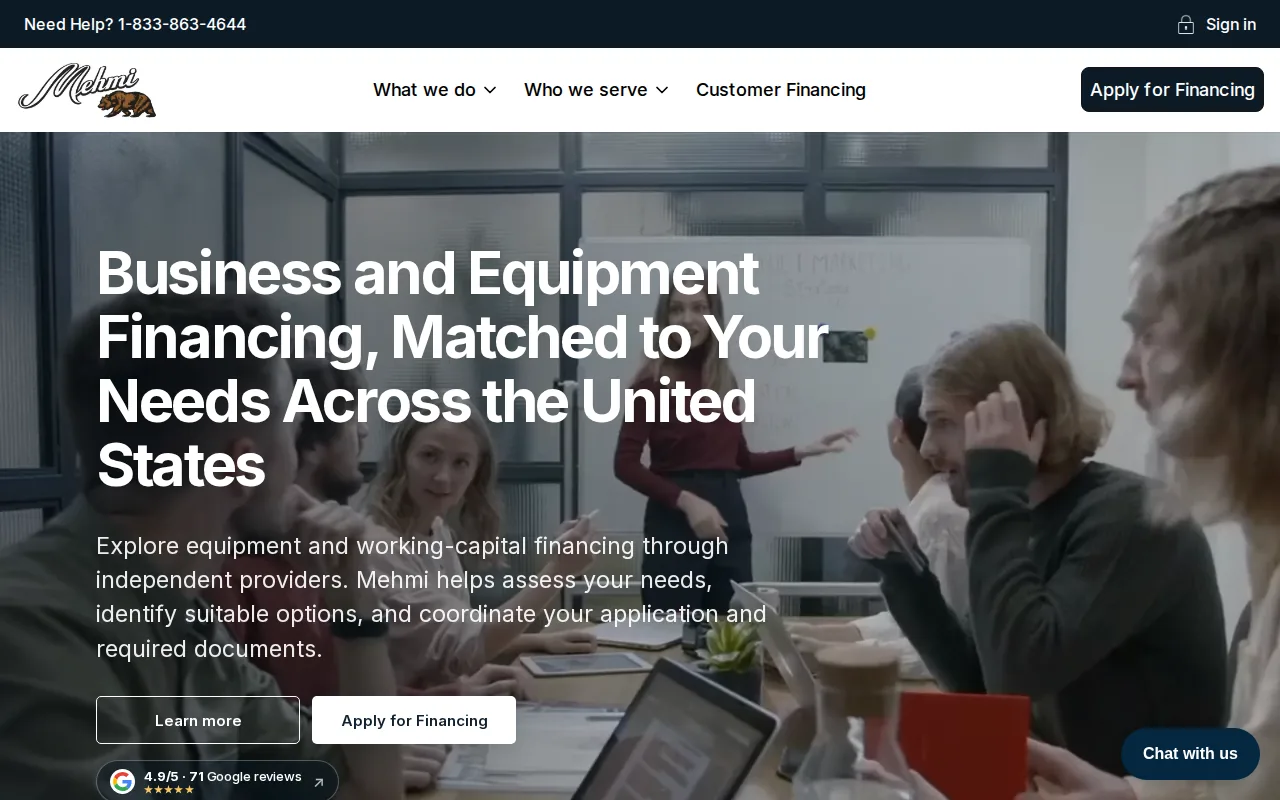
That range matters when one asset or one loan type won't address the whole cash-flow problem. For example, an equipment purchase may call for a loan or lease, while an existing asset may be part of a refinancing or sale-leaseback request. We help you frame the request around your business needs and the information a lender will review.
For a truck, trailer or machine purchase, gather the equipment quote and plan for tax, delivery and installation costs. Our equipment financing application checklist explains the records and purchase details that can help you prepare.
Rates and terms depend on the lender and the transaction. Compare the full cost, including fees, payment timing and any end-of-term buyout or residual obligation. All financing remains subject to review and approval.
2. Scotiabank
Scotiabank provides asset-based lending and equipment finance for businesses looking to connect credit availability to asset values. It may fit an established company seeking working capital or longer-term funding tied to its assets.
The structure can help a business access funds for cash-flow needs while keeping financing connected to the assets supporting it. Scotiabank also describes equipment financing and leasing as ways to support working capital. The amount and terms still depend on the lender's review of the business and its assets.
This route is worth comparing with a conventional line of credit. A cash-flow facility tends to focus on the borrower’s financial strength, while asset-based lending puts more weight on eligible collateral. That can change what a lender asks your team to track after closing.
Before moving ahead, ask how the lender will value the assets and what reporting it expects. If the financing is for machinery or vehicles, check how the payment plan fits the work the asset is expected to do.
3. Asset Based Lending by Lantern Capital
Asset Based Lending by Lantern Capital is a corporate debt advisory option for incorporated businesses in Canada and the United States. Its focus includes working capital and receivable financing.
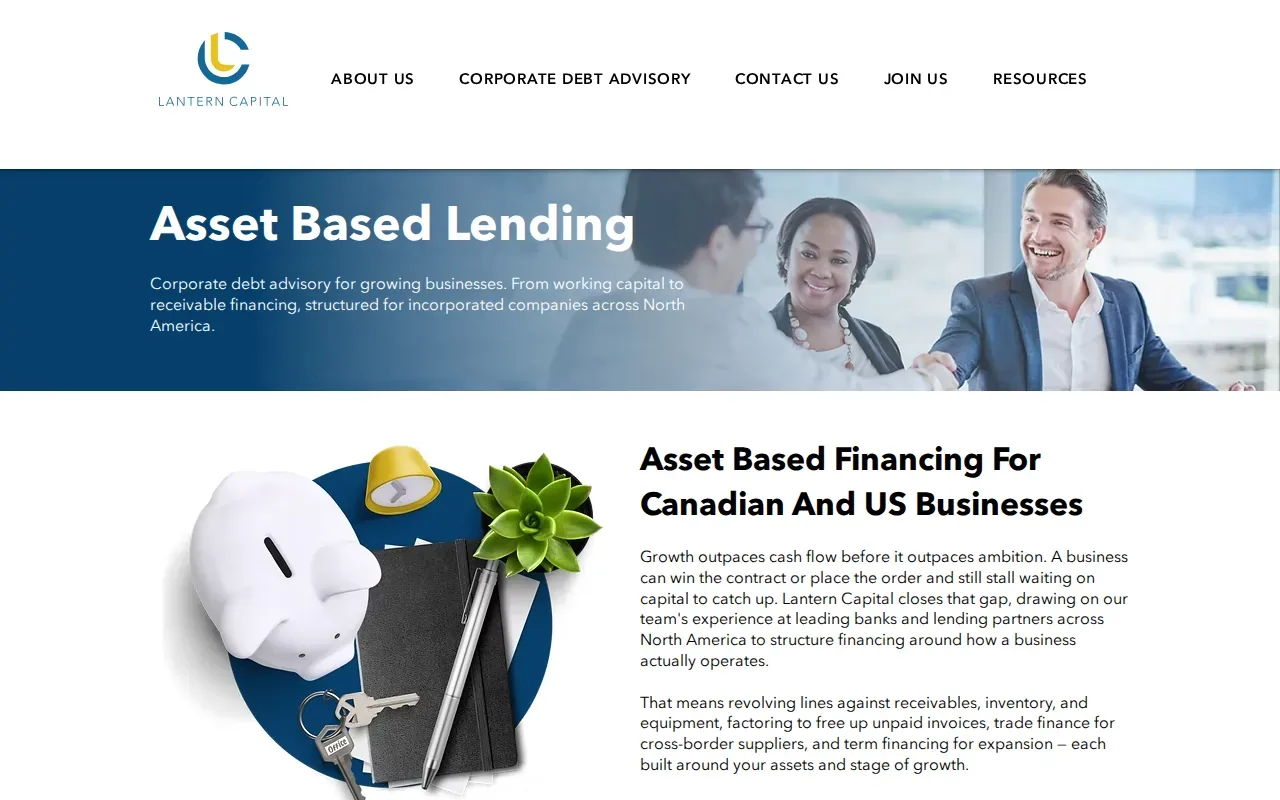
This may be relevant if your company needs financing tied to receivables rather than a specific equipment purchase. Receivables are amounts customers owe your business. Their value and timing can matter when you need working capital before those invoices are paid.
Asset-based facilities can involve detailed rules for which assets count toward the borrowing base. A borrowing base is the pool of eligible collateral used to set how much a lender may advance. Before you agree, clarify how invoices qualify and how often asset values or reports must be updated.
If equipment you already own is part of a cash-flow plan, compare that approach with how equipment sale-leaseback works in Canada. The right structure depends on the asset and the financing need, not just the headline amount.
4. Fincap Financial Group
Fincap Financial Group arranges equipment financing in Canada for businesses of different sizes. Its services include heavy equipment, vehicles and other commercial assets, and it has a broker team of more than 30.

This option may suit a company looking to finance an asset purchase rather than borrow against a broad pool of receivables or inventory. Equipment financing ties the request to a specific asset, which can help you compare the cost of acquiring a machine against the work it is expected to support.
For a construction or trucking business, build the payment plan around expected contracts and the asset's time in use. Also review the upfront cash needed and which costs, such as delivery or installation, the financing covers.
Businesses comparing lease structures can use our overview of heavy equipment leasing options in Canada to see what terms deserve a close read. Fincap describes its terms as flexible, but your offer will depend on the application and lender review.
5. Canada Small Business Financing Program
The Canada Small Business Financing Program (CSBFP) is a federal program delivered through participating financial institutions. It may fit a for-profit Canadian business with annual revenue of CA$10 million or less that needs financing for eligible costs.
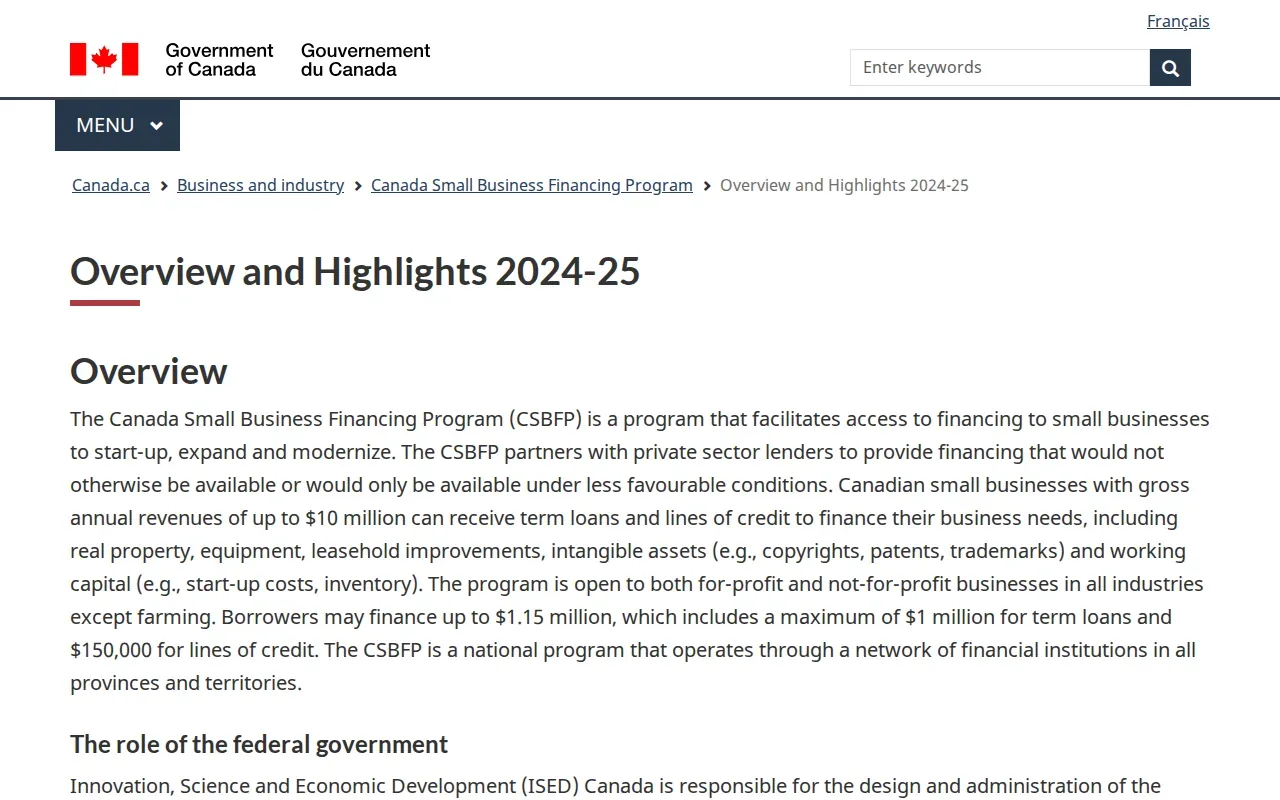
A borrower can access up to CA$1.15 million in total program financing. This can include up to CA$1 million in term loans, with up to CA$500,000 of the term-loan amount available for equipment. The program's stated variable term-loan rate is prime plus 3%.
The program shares lending risk with financial institutions, but the financial institution makes the approval decision. A 2% registration fee also applies to term loans; ask the lender how it will affect your total borrowing cost.
Use the federal CSBFP eligibility and loan details to check the program structure. Confirm the rate and eligible costs with the institution handling your application.
6. Equipment Finance Canada
Equipment Finance Canada provides equipment financing across Canada. It states that financing may cover up to 100% of equipment cost, with options for new or used equipment and flexible terms.

This may suit a business that wants to finance a specific purchase without using a revolving facility secured by a wider asset pool. The provider also states that approvals can take 24 hours. Treat that as its stated timeline, not a promise that every application will be approved within that period.
Before applying, collect the equipment quote and details such as make, model, year and condition. For a used or privately sold asset, ask what ownership or lien documents the lender needs. That can help avoid delays once the seller and purchase terms are set.
Our equipment financing and leasing services cover options for business assets and can help you compare a purchase plan with your cash-flow needs. Review the full repayment terms before choosing a lender.
How These Asset Based Loan Options Compare
These options don't all provide the same kind of financing. Mehmi Financial Group helps businesses compare lending routes; Scotiabank provides bank asset-based lending; the CSBFP has set program limits. The remaining choices described here focus on corporate debt advice or equipment financing.
| Option | Best fit | What to weigh |
|---|---|---|
| Mehmi Financial Group | Comparing financing structures or preparing an application | Terms vary by lender and transaction |
| Scotiabank | Business asset-based lending or equipment finance | Ask how asset values affect availability |
| Asset Based Lending by Lantern Capital | Incorporated businesses seeking working capital or receivables finance | Clarify eligible receivables and reporting needs |
| Fincap Financial Group | Financing heavy equipment, vehicles or commercial assets | Compare payment terms with expected asset use |
| Canada Small Business Financing Program | Eligible smaller Canadian businesses | Check eligible costs, fees and lender terms |
| Equipment Finance Canada | Financing new or used equipment | Confirm the timeline and total repayment terms |
Asset-backed borrowing can support working capital when eligible assets have value, but it can also bring more reporting and collateral rules than an unsecured loan. If you need to finance equipment specifically, compare the asset's cost and expected work with construction equipment financing routes.
Frequently Asked Questions
What are asset-based loans?
Asset-based loans are business loans or credit facilities supported by assets the lender accepts as collateral. Depending on the facility, eligible assets may include receivables, inventory or equipment. The lender assesses which assets qualify and how their value affects borrowing availability. Your business still needs to review costs, reporting duties and security terms before accepting an offer.
How are asset-based loans different from a line of credit?
Asset-based lending sets borrowing availability by the value of eligible collateral, while a traditional cash-flow line of credit focuses more on the business's financial strength. Some asset-based facilities also use a borrowing base that changes as asset values change. Ask how often the lender recalculates availability and what records your team must provide.
What assets can a Canadian business use as collateral?
Eligible collateral depends on the lender and financing structure. Business receivables, inventory and equipment may support asset-based financing. For equipment financing, the specific asset being purchased may secure the loan. Ask which assets qualify, how the lender values them and whether existing security interests affect the request.
Can a small business apply for the Canada Small Business Financing Program?
Yes. The program is open to qualifying small businesses and start-ups operating in Canada, with gross annual revenue of CA$10 million or less. Financial institutions deliver the program and make lending decisions. The CSBFP has limits for total financing and eligible equipment costs, so confirm that your business and planned purchase meet the program rules.
What should I compare before accepting an asset-based loan?
Compare the full cost, not only the interest rate. Check fees, payment frequency, the rate structure and any residual or buyout amount. Then review collateral terms and how often the lender expects updated asset reports. A broker can help you compare offers, while the final terms remain subject to lender review and approval.
Conclusion
If your financing need centres on equipment, receivables or cash flow, start by matching the loan structure to the asset and its planned use. Mehmi Financial Group can help you compare options and prepare your request. Review our financing services and gather the asset quote before taking the next step.