
Quick answer: Lenders don’t finance “a mining project.” They finance specific, identifiable assets with a resale path and a clean paper trail.
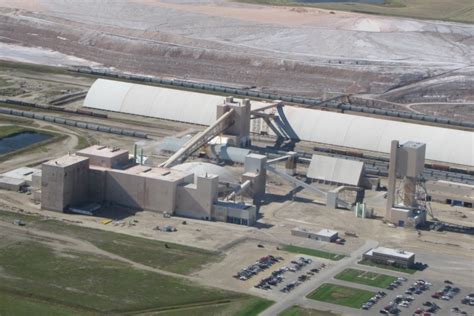
Potash Mining Equipment Leasing Saskatchewan: How to Finance Underground & Surface Iron Without Breaking Cash Flow
Industry: Forestry, Mining & Energy
Best-fit service: Equipment Leases (Heavy Equipment Financing)
Potash is Saskatchewan’s backyard advantage—but potash projects are still brutal on cash flow. Equipment gets used hard, safety and compliance are non-negotiable, and logistics can turn “delivery next week” into “maybe after spring restrictions.” The smartest way to finance potash-related equipment in Saskatchewan is usually leasing-first: lease the iron that holds value and productivity, separate out the “bolted-to-site” costs, and structure payments around utilization and downtime risk.
This guide is for Saskatchewan potash contractors and suppliers (underground services, mill maintenance, civil, electrical/mechanical, hauling, yard operations) who need to finance equipment like scoops, telehandlers, underground service vehicles, pumps, compressors, generators, and surface support equipment—without creating a payment that your contract schedule can’t support.
As of Feb 2025, Natural Resources Canada notes Canada’s active potash mines are in Saskatchewan, and provides production context you can use in your business case. (Natural Resources Canada)
Saskatchewan’s own mineral tenure information also frames the province as home to all of Canada’s operating potash mines and a major share of global reserves. (Government of Saskatchewan)
What “potash equipment leasing” actually covers in Saskatchewan
aper trail.
In Saskatchewan potash, equipment financing usually falls into two buckets:
Mobile, financeable equipment (easiest to lease)
These are assets a lessor can value, insure, and (if worst comes to worst) recover and resell:
- Underground utility and service vehicles (purpose-built, if standardized)
- Telehandlers, forklifts, scissor lifts (industrial grades)
- Loaders, skid steers, dozers, graders (surface support)
- Generators, compressors, light towers
- Pumps, dewatering units, ventilation fans (portable units)
- Conveyor components and portable material handling (case-by-case)
- Specialty tools and maintenance skids (if vendor-documented)
Site-integrated or “bolted-in” costs (harder to lease as equipment)
These usually underwrite more like project costs or tenant improvements:
- Electrical infrastructure upgrades, cable runs, MCC work
- Concrete pads, foundations, structural steel
- Ducting tied permanently into a facility
- Custom-built systems with weak secondary market
Underwriter translation: If the asset can’t be separated from the site, it’s harder to treat as collateral—so approvals rely more heavily on your financial strength and contracts.
If you want a clean baseline on how equipment leases are structured in Canada (terms, buyouts, fees, documentation), start here: Equipment Leasing Canada (Mehmi).
related financing guide
Saskatchewan-specific reality: four local factors that change your leasing plan
Key point: Saskatchewan isn’t just “another province” for mining logistics—your timeline, taxes, and delivery risk are different here.
1) Spring road restrictions can mess with deliveries and commissioning dates
Saskatchewan publishes guidance on spring road restrictions and notes the restrictions are weather-dependent and typically begin in early March in the southwest, rolling across the province over a couple of weeks. (Government of Saskatchewan)
Why it matters for leases: If you sign for equipment with a fixed “first payment” date but your delivery slides, you can end up paying before you’re earning.
Practical fix: Ask for a structure that aligns the first payment with delivery/acceptance, or use staged funding when equipment arrives in phases.
2) PST applies in Saskatchewan—often on rentals
Saskatchewan PST is 6% and applies to taxable goods and services, including purchases and rentals used in Saskatchewan. (Government of Saskatchewan)
For rentals specifically, Saskatchewan’s PST bulletin for rental businesses provides guidance on PST application for equipment rentals. (Saskatchewan Sets)
Practical fix: When you compare lease quotes, compare the all-in payment including PST and GST (and timing). Don’t let “monthly payment” hide tax reality.
3) Potash work is shift-based and downtime is expensive
Potash contractors often run tight windows (shutdowns, turnarounds, shaft or mill maintenance blocks). Leasing can protect your working capital so you can carry:
- spare parts
- standby equipment
- overtime payroll
4) Saskatchewan is rail-and-highway logistics country
Potash operations and contractor supply chains are spread across the province; deliveries to mine sites often rely on regional routes and schedules. That makes lead time a real underwriting factor (it affects when your equipment starts earning).
Leasing-first mindset: how underwriters approve potash equipment in Saskatchewan (5Cs)
Key point: Your approval isn’t a mystery—it’s a risk story told through documents.
Here’s the lender brain in plain language:
Character
- Track record in mining/industrial work
- Clean corporate profile (no surprise ownership issues)
- Consistent banking behaviour (no constant NSFs)
Capacity
- Can your cash flow comfortably service the payment through slow months?
- Do you have contract visibility (MSAs, POs, shutdown schedules, rate sheets)?
Capital
- Do you have a buffer after deposits, mobilization, and payroll ramps?
- Are you trying to lease equipment because you’re scaling, or because you’re stressed?
Collateral
- Is the equipment standard, valued, insurable, and resellable?
- Is it new/used/private sale, and can you prove condition and ownership?
Conditions
- Commodity and project cycle risk (even contractors feel it)
- Project timing risks (delivery delays, road restrictions, change orders)
Under the hood, lenders think in:
- Probability of default (PD): does the business look like it could miss payments?
- Exposure at default (EAD): how much would be outstanding if it goes bad?
- Loss given default (LGD): how much can they recover after selling the asset?
Leasing structure is how you manage those risks.
What potash contractors can lease most often (and what gets stuck)
Key point: “Financeable” usually means you can show three things: what it is, what it’s worth, and how it earns.
Commonly financeable in mining services
- Telehandlers / forklifts / manlifts (known brands, clear serials)
- Surface loaders, skid steers, compact track loaders
- Service trucks and lube skids (where structured properly)
- Pumps, compressors, generators (portable and easy to value)
- Welding rigs and mobile fab equipment (case-by-case, depends on documentation)
Often financeable—but underwritten tighter
- Specialized underground vehicles (depends on make/model and resale market)
- High-hour used equipment (requires inspection and maintenance history)
- Private sale equipment (requires lien checks and clean bill of sale)
Common “stuck” items
- Construction/installation labour buried inside an equipment quote
- Custom plant buildouts with little resale market
- Mixed bundles where the lender can’t tell what’s collateral vs. soft cost
If you need to compare offers properly (and avoid getting fooled by rate factor quoting), use: Equipment Lease Rates Canada: 2025 Guide & Tips (Mehmi).
related financing guide
Deal structures that fit Saskatchewan potash work
Key point: The “best” lease is the one that matches utilization and protects uptime—not the one with the lowest headline payment.
Structure 1: Finance lease (lease-to-own)
Common when the asset will be used hard and kept long-term. You’ll usually see:
- fixed term
- fixed buyout or residual
- predictable monthly payments
Structure 2: FMV / residual-heavy lease (lower payment, higher end buyout)
Useful if:
- you want flexibility at end of term
- you expect tech changes or fleet upgrades
- you don’t want to sink cash into ownership today
Structure 3: Seasonal or structured payments
Potash contractors don’t always have seasonal revenue like forestry, but many do have shutdown-heavy cycles. If your revenue is lumpy, a structured payment can keep you from bleeding in slow months and overpaying in peak months.
Structure 4: Deferred first payment or delivery-aligned start
This matters in Saskatchewan when delivery or commissioning is threatened by:
- spring road restrictions (Government of Saskatchewan)
- site access windows
- permitting or induction schedules
BDC’s equipment-financing guide emphasizes the complete financing structure when comparing offers.
“Don’t focus only on interest rates”
For the equipment decision discussed here, compare the amount financed, payment schedule, collateral and remaining obligations alongside the quoted rate.
The tax and cash-flow “gotchas” Saskatchewan contractors should plan for
Key point: Your cash flow breaks on timing—not on spreadsheets.
GST + PST on lease payments
Saskatchewan PST applies to taxable goods and services used in Saskatchewan, including rentals, at 6%. (Government of Saskatchewan)
Rental PST rules and how PST is applied in rental contexts are outlined in Saskatchewan’s PST rental guidance. (Saskatchewan Sets)
Practical implication: Your monthly lease payment may be quoted “before tax.” Your bank account pays “after tax.”
Lease payments as a business deduction (CRA baseline)
CRA’s leasing costs guidance states you generally deduct lease payments incurred in the year for property used in your business. (Canada)
(Your accountant should confirm how this applies to your specific structure, especially for any mixed-use vehicles, but the baseline is clear.)
If you want a plain-English tax treatment overview for leases, use: Operating Lease Tax Treatment Canada (2026 Guide) (Mehmi).
related financing guide
Documentation: what lenders ask for on potash equipment leasing files
Key point: Most “declines” are actually “missing proof.” Mining work is complex—your file must be simple.
Here’s what typically speeds approvals:
Equipment proof (collateral clarity)
- Vendor quote/invoice with make/model/year/serial
- Photos (used equipment)
- Inspection report or maintenance records (used/high-hour)
- Delivery terms and location
Business proof (capacity clarity)
- 3–6+ months business bank statements
- Basic financials (T2, year-end statements, or internal statements)
- Contract evidence: MSAs, POs, shutdown schedules, invoices, AR aging
Control items (conditions precedent)
- Proof of insurance (lender named as loss payee)
- Void cheque / PAD info
- Corporate docs (articles, director list) where required
If you want a quick “what will I qualify for” gut check before you apply, use: Estimate equipment financing you qualify for | Canada (Mehmi).
related financing guide
Mini checklist: is your potash equipment deal “underwriter-ready”?
Key point: This is the fastest way to avoid back-and-forth and delays.
- Do you have an invoice/quote with serial numbers and full specs?
- Is the equipment mobile/marketable (clear collateral)?
- Can you show consistent deposits that match your story?
- Do you have contract visibility (even if it’s a PO and history)?
- Have you accounted for Saskatchewan PST on rentals? (Government of Saskatchewan)
- Is delivery timing threatened by spring restrictions or site windows? (Government of Saskatchewan)
- Do you have insurance lined up before funding?
Scenario table: common Saskatchewan potash contractor needs + best-fit lease structure
For a true cost comparison (fees, terms, buyouts), use: Equipment Financing Cost Calculator Canada (Free) + Full Guide (Mehmi).
related financing guide
A contrarian (but useful) opinion for mining contractors: don’t optimize for the lowest payment
Key point: In mining services, the real killer isn’t the monthly lease—it’s downtime.
A cheaper payment can hide:
- higher repair exposure (older/higher-hour units)
- weak service support
- poor uptime, which turns a “cheap machine” into an expensive one
Underwriters tend to approve stronger when you can show:
- you’re buying equipment that holds value
- you have maintenance discipline
- you’re not draining working capital so hard that one repair wipes you out
Case study (anonymous): leasing a potash-service fleet in Saskatchewan without cash-flow stress
Key point: The payoff is not “getting approved.” It’s staying liquid through the ramp.
Business: Saskatchewan-based industrial services contractor working around potash operations (underground and surface support).
Need: Add a telehandler, a forklift, and a portable compressor package to support scheduled maintenance windows and reduce reliance on expensive short-term rentals.
Challenge: Revenue was strong but lumpy—busy shutdown months, quieter in between. Delivery timing also ran close to the spring restriction period.
What lenders cared about (5Cs in real life):
- Character: clean operating history, stable ownership, no surprises
- Capacity: bank statements + invoice history showed the work pattern was real
- Capital: they kept cash back for parts and mobilization instead of dumping everything into down payment
- Collateral: mainstream equipment models with easy valuation
- Conditions: delivery timing risk and Saskatchewan logistics (payment must start when equipment is working)
Structure we used (illustrative):
- FMV-style structure on the materials-handling equipment (flexibility at end of term)
- Delivery-aligned first payment to avoid “paying while waiting”
- Clear insurance conditions precedent
- A conservative payment sized to survive a slow month without missing payroll
Outcome: The contractor reduced rental spend, protected working capital, and built a cleaner approval profile for the next expansion.
Mehmi’s role in files like this is usually simple: make the deal underwriter-proof and structure it so Saskatchewan realities (tax and logistics) don’t become payment problems.
Step-by-step: how to get potash mining equipment leasing approved in Saskatchewan
Key point: Speed comes from a clean story and clean paperwork.
Step 1: Choose equipment that’s financeable
If the asset is niche and hard to resell, expect:
- more documentation
- more down payment
- a shorter term, or higher pricing
Step 2: Split “equipment” from “site costs”
Don’t bury installation labour, electrical upgrades, or concrete work inside a single quote. It makes collateral unclear and slows approvals.
Step 3: Build a one-page “capacity story”
Underwriters love clarity:
- what you do (potash service niche)
- who you work for (without breaching confidentiality—generalize)
- how the equipment gets utilized
- what your slow month looks like
Step 4: Plan for Saskatchewan taxes and timing
- PST on rentals and taxable goods/services used in SK is real. (Government of Saskatchewan)
- Don’t ignore spring road restrictions and delivery timing. (Government of Saskatchewan)
Step 5: Compare offers properly
Use a consistent comparison:
- term
- buyout/residual
- fees
- tax treatment on payments
- conditions precedent (insurance, inspections, delivery confirmations)
If you’re considering non-bank options for larger or more complex files, start here: Alternatives to bank loans for equipment | Canada (Mehmi).
related financing guide
When refinance or sale-leaseback makes more sense than a new lease
Key point: Sometimes the best way to fund “new equipment” is unlocking cash you already have tied up.
Refinance (when you need payment relief or term reset)
If you bought equipment recently or have high-cost short-term debt, refinance can reduce stress and improve approvals for new gear.
Helpful read: Heavy Equipment Refinancing Canada (Mehmi).
related financing guide
Sale-leaseback (when you own equipment and need cash for growth)
If you own valuable equipment outright (or mostly paid down), a sale-leaseback can turn that equity into working capital without stopping operations.
- Sale Leaseback Financing in Canada (Mehmi): related financing guide
- Sale-Leaseback Tax Implications Canada Guide (Mehmi): related financing guide
If you’re tempted to patch a gap with short-term capital, read this first so you understand the cost and tradeoffs: Private Lending in Canada (Mehmi).
related financing guide
Calm next step
If you’re a Saskatchewan contractor supporting potash operations and you’re about to add equipment, the most valuable thing you can do is structure the deal around utilization, delivery timing, and tax reality—then package the file like an underwriter would. Mehmi Financial Group can help you lease potash-related equipment (materials handling, mobile support, portable power, and industrial gear) with terms that don’t punish you in a slow month.
For broader option-mapping (leasing, refinance, alternatives), see: Alternative Business Financing Canada: Options Explained (Mehmi).
related financing guide
Authoritative references
- Innovation, Science and Economic Development Canada — Canada Small Business Financing Program:
The Canada Small Business Financing Program makes it easier for small businesses to get loans from financial institutions by sharing the risk with lenders.
Program eligibility, lender criteria, tax treatment, and product terms can change. Verify current official guidance and final financing documents before making a decision.
FAQ: Potash mining equipment leasing in Saskatchewan (6)
1) Is potash mining equipment financeable in Saskatchewan if I’m a contractor (not the mine owner)?
Often, yes—if you can show contract history or revenue visibility and the equipment is standard enough to value and insure. Contractors get approved when the “capacity story” is clean.
2) How do spring road restrictions affect equipment leasing timelines?
If delivery slips, you can end up paying before the equipment generates revenue. Saskatchewan notes spring road restrictions are weather-dependent and typically begin in early March in the southwest and roll across the province. (Government of Saskatchewan)
Best practice is delivery-aligned first payment or staged funding.
3) Do I pay PST on equipment lease payments in Saskatchewan?
Saskatchewan PST is 6% and applies to taxable goods and services consumed or used in Saskatchewan, including rentals. (Government of Saskatchewan)
Rental PST rules are outlined in Saskatchewan’s PST rental guidance. (Saskatchewan Sets)
4) Are equipment lease payments tax-deductible in Canada?
CRA’s baseline guidance is that you generally deduct lease payments incurred in the year for property used in your business. (Canada)
(Confirm specifics with your accountant for your structure.)
5) Can I lease used mining equipment or private-sale equipment?
Often yes, but used/private sales typically require stronger proof: serials, inspection/maintenance records, proof of ownership, and lien discharge evidence. Expect tighter terms if the asset is niche.
6) What’s the biggest reason mining equipment lease deals get delayed?
Collateral ambiguity and missing paperwork: unclear invoices, bundled site costs, missing serials, insurance not ready, or a revenue story that doesn’t match bank deposits.