
Quick answer: If you run a farm, contracting business, or fleet in Chilliwack, equipment financing is usually achievable in Canada, but the best outcomes come from structuring the deal around your real cash cycle, not around the fastest quote you can get. In practical terms, leasing-style equipment financing often protects working capital better than paying cash upfront because it lets you keep liquidity for fuel, labour, repairs, insurance, and the timing gaps that show up in the Fraser Valley.
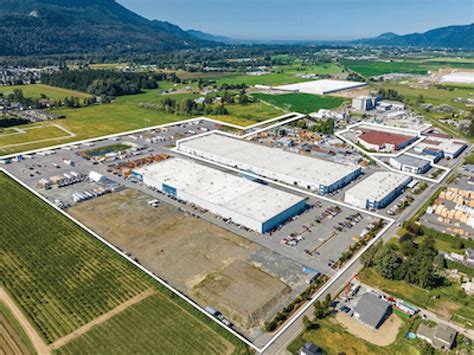
Chilliwack Equipment Financing for Farmers, Contractors, and Fleet Owners
This guide explains what lenders actually look for, how Chilliwack realities change the advice, and how to get funded faster with fewer surprises, whether you are buying new, used, private sale, or auction.
Why Chilliwack equipment deals are different
Chilliwack deals move fastest when the financing package matches the local operating reality: seasonal revenue, cross-municipality work, and corridor timing.
Chilliwack sits in a region where agriculture is a major economic engine and where contractors and fleets often serve multiple communities across the Fraser Valley. The Fraser Valley Regional District has published regional agriculture snapshots noting the Fraser Valley’s high-quality soils and the broad range of crops grown in the region. (Source) Another Fraser Valley Regional District land use inventory report found that cultivated land is concentrated heavily in Abbotsford and Chilliwack, with Chilliwack representing a significant share of cultivated crops within the regional district. (Government of British Columbia)
That matters to financing because lenders are really underwriting your cash timing. When revenue is seasonal or when collections are lumpy, the structure has to be built to survive a slow month without creating stress elsewhere in the business.
Chilliwack also lives on the Trans-Canada Highway corridor. The Province of British Columbia’s Fraser Valley Highway 1 Corridor Improvement Program is explicitly focused on improving safety, reliability, and capacity from Langley through to Chilliwack. (Government of British Columbia) For contractors and fleets, that is not abstract infrastructure news. It affects mobilization timing, delivery windows, and whether the equipment you buy will be commissioned and earning on the schedule you planned.
The fourth local factor is compliance friction. The City of Chilliwack’s business licensing information emphasizes that businesses need to understand licensing requirements and points to city licensing resources. (chilliwack.com) The City also participates in an inter-municipal business licence program intended to help mobile businesses operate across participating Fraser Valley municipalities without needing separate licences in each place. (chilliwack.com) If your work crosses borders weekly, your cash plan and readiness plan should reflect how you will operate legally and without delays.
The short answer: what financing is realistic for farms, contractors, and fleets
Most Chilliwack operators can finance equipment when three things are true: the equipment is clearly identified and marketable, the business shows stable enough cash flow to carry the payment, and the file is packaged cleanly so funding conditions can be satisfied quickly.
For farmers, the make-or-break issue is usually seasonality. Lenders will ask whether payments can be shaped to match harvest, planting, and pack-out timing.
For contractors, the make-or-break issue is usually job timing and cash conversion. The equipment has to start earning before the payment starts squeezing payroll and materials.
For fleet owners, the make-or-break issue is utilization and reliability. Lenders want confidence the asset will stay on the road and that your business can carry downtime risk.
The good news is that “flexible terms” is a real thing in equipment leasing. It is not magic, but it does include choices around term length, down payment, end-of-term buyout, and payment timing.
How lenders think about your deal in plain language
Approvals are not based on vibes. They are based on risk, recoverability, and how cleanly the lender can verify everything.
A practical underwriting framework is the five-part analysis of character, capacity, capital, collateral, and conditions. Character is your payment behaviour and the credibility of the story. Capacity is whether cash flow can carry the payment. Capital is how much cushion you have after closing. Collateral is the equipment itself and how easily it can be resold. Conditions are the external realities: seasonality, customer concentration, the economy, and your industry cycle.
Under the hood, lenders are also thinking in recovery terms. If a borrower defaults, the lender cares about how much is still outstanding at that moment and how much value can realistically be recovered after costs and time. Equipment that is easy to appraise, easy to secure, and easy to remarket reduces lender loss risk, which typically improves terms.
This is why clear equipment specifications and a clean vendor invoice matter so much. When lenders cannot tell exactly what the asset is, they cannot protect their security interest confidently, and everything slows down.
Leasing versus paying cash in Chilliwack: which protects cash flow better
If your goal is cash flow protection, leasing-style equipment financing usually wins when you need to preserve liquidity for operations, or when revenue arrives later than the day the equipment shows up.
Paying cash can be smart when you have true excess cash after closing and the equipment is mission-critical, long-life, and you are confident you will keep it for years without needing to refresh. The risk is that “cash purchase” often drains the same funds you need for the real costs that follow: repairs, insurance, attachments, mobilization, and the working capital gap between paying suppliers and collecting revenue.
In Chilliwack, that gap is common. Farms have seasonal peaks. Contractors have progress payments and holdbacks. Fleets have fuel and maintenance float.
If you want to pressure-test this quickly, you can estimate a conservative payment with Mehmi’s equipment payment tool and then stress-test month-by-month liquidity using the cash flow tool. Use the debt service coverage ratio tool to see whether your cash flow has a buffer after the new payment.
Internal links you can use while planning: Equipment payment calculator, Cash flow calculator, Debt service coverage ratio calculator.
A Chilliwack-specific tax timing issue that affects equipment deals
In British Columbia, provincial sales tax timing can affect cash flow more than people expect, especially when you are buying or leasing multiple units.
The Province of British Columbia explains that provincial sales tax is generally payable when the purchase or lease price is paid or becomes due, whichever is earlier, and it describes how the due date can be triggered by invoice timing and payment terms. (Government of British Columbia) For leasing and rentals specifically, the Province’s guidance on rentals and leases of goods outlines how provincial sales tax applies in common leasing situations. (Government of British Columbia)
The practical message is not “tax makes leasing better” or “tax makes buying better.” The message is that cash timing matters. If you build a financing plan based on optimistic timing, tax cash outflows can surprise you at exactly the wrong time, such as during planting season, the start of a big job, or when you are onboarding drivers.
What “flexible terms” actually means in equipment financing
Flexible terms are only helpful if they match your operating cycle and the equipment’s useful life.
In real deals, flexibility usually comes from four levers: term length, upfront contribution, end-of-term buyout, and payment timing.
Term length changes monthly payment and total cost. Longer terms can protect monthly cash flow, but they can also keep you paying longer than the asset’s best earning years if you choose poorly.
Upfront contribution can improve approval odds, but it should not drain your operating cushion. The goal is to keep enough cash in the business to handle surprises.
End-of-term buyout choices can reduce monthly payments while giving you an ownership path, which is often attractive for contractors and fleets who want predictable long-term equipment control.
Payment timing is where Chilliwack operators benefit most. A structure that aligns first payment closer to “in service” rather than “ordered” can prevent you from paying while the equipment is waiting on delivery, commissioning, or a job start.
What farms in Chilliwack should finance, and how lenders view it
Farm equipment financing in Chilliwack is often strongest when the equipment supports core production or post-harvest handling and when the equipment can be valued and serviced locally.
Lenders tend to be comfortable with standard tractors, harvest and forage equipment, irrigation systems tied to production, refrigeration and cold storage equipment, packing and sorting lines, and material handling equipment that supports throughput.
The higher-diligence items are highly specialized assets, older units with uncertain condition, or assets with limited resale demand outside a narrow niche. Those can still be financeable, but lenders often respond with tighter terms, more verification, and sometimes a requirement for inspection or additional contribution.
Because agriculture cash flow can be seasonal, the “best” structure is often one that respects the calendar. Your lender does not need your entire farm plan, but they do need a believable cash story that shows why the payment will be safe in the slow months.
What contractors in Chilliwack should finance, and how to avoid cash crunches
Contractors in Chilliwack usually run into two problems: paying for equipment before the job cash arrives, and underestimating the real operating cash they need once a big job starts.
Most lenders like standard construction equipment because it is marketable: compact track loaders, skid steers, excavators, backhoes, mini excavators, wheel loaders, attachments, trailers, generators, and jobsite support equipment. The key is documenting exactly what you are buying and proving it will be deployed.
Contractor deals slow down when invoices are vague, when private sale documentation is unclear, or when a deposit is paid from an account that does not match the payment account. Lenders do not love exceptions because exceptions are how fraud and lien problems slip into a deal.
If your work crosses municipalities, the City of Chilliwack’s inter-municipal business licence program is relevant to planning, because it is designed to reduce licensing friction for mobile businesses across participating Fraser Valley municipalities. (chilliwack.com) The point is not that financing depends on it. The point is that your operating readiness affects when you can earn, and earning timing affects cash flow safety.
What fleet owners in Chilliwack should finance, and what lenders fear
For fleets, the lender’s biggest fear is downtime. A payment is a fixed obligation, but fleet revenue is only fixed if equipment stays productive.
Lenders generally like standard, easy-to-value fleet assets and related equipment: power units, trailers, refrigeration units, service bodies, liftgates, and certain upfits that have a clear market. Where diligence increases is with older units, high mileage, complex upfits, or assets with unclear registration, lien, or condition history.
This is also where Highway 1 corridor reliability matters. The Province’s highway program is intended to improve reliability and capacity from Langley through to Chilliwack, which signals how important this corridor is for goods movement. (Government of British Columbia) If your lanes depend on predictable corridor performance, it is sensible to structure payments so a single disruption month does not create stress.
The lender-ready document package that funds fast
Most operators think the hard part is getting approved. The hard part is getting funded on time with no last-minute conditions.
A typical lender-ready package includes a clear vendor invoice with detailed equipment specifications, identity and signing authority documents, banking confirmation for payment, proof of any deposit payment, and insurance evidence where applicable. The cleaner the invoice and the clearer the equipment identification, the easier it is for the lender to secure their interest in the asset.
A practical way to reduce delays is to follow a standardized approval checklist and submit your documents in one complete package rather than in pieces.
Internal links that help you package and compare properly: Equipment leasing approval checklist, Equipment financing options in Canada.
How to compare offers without getting misled by “low payments”
Low payments are not always safer, and they are not always cheaper.
In equipment leasing, pricing is often presented in a way that makes comparison hard. Two offers can have similar payments but different total cost and different end-of-term obligations. The right comparison looks at the full structure: fees, term length, buyout, and how payments align to when you actually earn.
Internal links that explain how to compare: Lease rate factor explained, How to calculate a lease rate percentage.
BDC’s equipment-financing guide emphasizes the complete financing structure when comparing offers.
“Don’t focus only on interest rates”
For the equipment decision discussed here, compare the amount financed, payment schedule, collateral and remaining obligations alongside the quoted rate.
A simple “cash flow protection” test before you sign anything
If you want one practical test, use this question: If revenue is delayed by thirty days, can you still cover payroll, fuel, materials, insurance, and the new equipment payment without relying on emergency credit?
If the answer is no, you do not necessarily need to abandon the purchase. You need to adjust the structure. That can mean changing term length, changing upfront contribution, adjusting payment timing, or financing an additional portion of installation and delivery costs so you keep operating liquidity.
Internal link for a deeper projection method: Cash flow analysis guide and projection calculator. Internal link for a conservative collateral lens: T-value calculator.
Anonymous case study: one structure for a farm, one for a contractor, one for a fleet
The goal in each case is the same: keep the business liquid while the asset becomes productive.
A Chilliwack-area farm needed to add a piece of post-harvest handling equipment ahead of peak season. The owner could have paid cash, but that would have drained the same cash reserve needed for labour, packaging, and seasonal inputs. The deal was structured so payments matched the earning season, keeping cash in the business during the months when outflows are highest. The vendor invoice was detailed and clean, which reduced lender questions and avoided last-minute funding conditions.
A Chilliwack contractor needed a compact machine and attachments for a new scope of work, but the job start depended on coordination and mobilization timing. The risk was not profitability. The risk was paying for the machine while waiting for site readiness. The structure aligned payments to when the machine would actually be deployed. That reduced stress and avoided the common contractor mistake of becoming cash-poor in the first month of a bigger job.
A small fleet operator needed to add an additional unit to cover a consistent lane. The risk was downtime and maintenance surprises. The lender asked for clear asset identification and a conservative cash picture that showed the business could survive a repair month. The final structure preserved working cash for maintenance and compliance so the operator did not end up missing a payment because of a preventable cash squeeze.
Mehmi’s role in deals like these is to build a credit-ready package and structure the terms around real operating cash flow, not around optimistic projections. That is how you protect the business while still growing.
How to get a faster decision in Chilliwack without wasting weeks
Fast approvals come from clarity. Clarity means the equipment is identified precisely, the purchase path is documented cleanly, and the cash story is conservative.
If you are still early in the process, it helps to estimate what size request is realistic before you negotiate hard with a vendor.
Internal link: Estimate the equipment financing you qualify for in Canada.
Feel free to contact our credit analysts if you want a quick assessment of the most fundable structure for your farm, contracting company, or fleet in Chilliwack. If you are also sourcing equipment, Mehmi can support both the acquisition and the financing in one process.
Are you looking for a truck? Look at our used inventory (Source).
Authoritative references
- Innovation, Science and Economic Development Canada — Canada Small Business Financing Program:
The Canada Small Business Financing Program makes it easier for small businesses to get loans from financial institutions by sharing the risk with lenders.
Program eligibility, lender criteria, tax treatment, and product terms can change. Verify current official guidance and the final financing documents before making a decision.
Frequently asked questions for Chilliwack equipment financing
Does Chilliwack seasonality change what payment structure I should choose?
Yes. If your revenue peaks around harvest, summer construction season, or high lane demand periods, a structure that preserves cash in the low months is usually safer than a structure that assumes every month is equal.
Do I need a City of Chilliwack business licence to finance equipment?
Financing is separate from licensing, but operating readiness affects cash flow, and cash flow affects approval strength. The City of Chilliwack provides business licensing information and requirements through its licensing resources. (chilliwack.com)
I work across the Fraser Valley. Do I need a licence in every municipality?
Many mobile businesses look at the inter-municipal business licence program that Chilliwack describes as a way to operate across participating Fraser Valley municipalities without needing separate licences in each one. (chilliwack.com) You should confirm your specific situation with the relevant authorities, but it is worth building licensing timelines into your operational plan.
How does British Columbia provincial sales tax affect leasing equipment?
The Province of British Columbia explains that provincial sales tax is generally payable when the purchase or lease price is paid or becomes due, whichever is earlier, and it outlines how invoice timing affects due dates. (Government of British Columbia) For leasing and rentals, the Province’s rentals and leases guidance provides more detail on how provincial sales tax applies to common leasing situations. (Government of British Columbia)
Can I finance used equipment from private sale or auction in the Fraser Valley?
Often yes, but the documentation must be stronger. Lenders usually want clear bills of sale, clean lien history, and clear equipment identification so the lender can secure their interest properly.
What is the most common reason equipment deals get delayed after approval?
Incomplete funding packages and unclear invoices. When the lender cannot verify exactly what the asset is, who is being paid, and how the security will be registered, funding conditions pile up and timelines slip.