.avif)
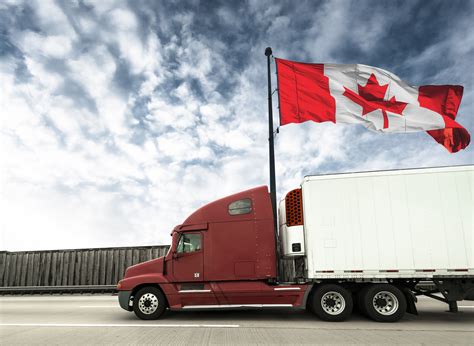
Best Truck Financing Companies in Canada for Owner-Operators and Fleets
Running trucks in Canada is capital-intensive, margins are tight, and one bad financing decision can follow you for years. The short answer: there’s no single “best” truck financing company for every owner-operator or fleet—but there are clear signs of a good partner, and Mehmi is one of them.
In this guide, we’ll walk through the main types of truck financing companies in Canada, what separates the strong from the risky, and how to choose the right partner for your lane—whether you’re a one-truck O/O or running a 50-unit fleet.
Are you looking for a truck? Look at our used inventory (https://www.mehmigroup.com/inventory).
Why “best” truck financing depends on your lane
The best truck financing company for you is the one that matches:
- Your size and structure (startup O/O vs national fleet)
- Your credit profile (A, B, or C credit)
- Your assets (new highway units, older vocational, trailers, specialized equipment)
- Your cash flow pattern (steady year-round vs seasonal or project-based)
Canada’s truck sector is huge—over 150,000 business locations operate in the truck transportation subsector, from single-unit carriers to large fleets.(Statistics Canada) That scale means there are many types of lenders competing for your business, each with different strengths.
If you try to force your business into the wrong type of financing company—say, a big bank when you’re a new O/O with limited history—you’ll waste time, risk declines, and often pay more in the end.
The main types of truck financing companies in Canada
At a high level, Canadian trucking companies get funding from four places:
- Banks and credit unions
- OEM captives and dealer programs
- Independent equipment finance companies and brokers (like Mehmi)
- Alternative lenders and fintechs
Each has a place. Here’s how they really work in trucking.
1. Banks and credit unions
Banks and credit unions usually offer the lowest posted rates, but they also have the tightest approval boxes. A typical structure is a term loan or equipment loan with amortizing payments over 5–7 years.(BDC.ca)
Pros:
- Attractive rates for strong-credit, well-established fleets
- Ability to cross-sell lines of credit and other services
- Longer terms for newer units
Cons:
- Slower approvals and more paperwork
- Harder for startups, B/C credit, or older iron
- Less flexible around seasonal or uneven cash flow
In practice, many O/Os simply don’t fit the bank box—especially startups or buyers of used equipment. In those cases, banks may still be part of your capital stack (e.g., operating line), while your trucks are financed elsewhere.
If you want to keep bank capacity for fuel, payroll and working capital, parking your equipment with a separate equipment lease can make a lot of sense. A dedicated Equipment Financing partner lets you preserve your Line of Credit for true operating expenses.
- Equipment financing overview: https://www.mehmigroup.com/services/equipment-financing
- Line of Credit (working capital): https://www.mehmigroup.com/services/business-loans/line-of-credit
2. OEM captive finance and dealer programs
Every major truck OEM has a captive finance arm or preferred lender, usually integrated right into the dealership. Business Development Bank of Canada (BDC) points out that one of the two main avenues for truck or trailer financing is “directly through truck dealers,” with the other being financial institutions.(BDC.ca)
Pros:
- Fast approvals at the dealership
- Strong programs for new units, especially when OEMs are pushing volume
- Incentives like deferred payments or cash-flow-friendly structures
Cons:
- Focused on new or late-model equipment
- Less flexible on older units, private sales, or mixed fleets
- Programs may be tied to specific OEMs, limiting your equipment choices
Dealer programs can be excellent for first truck, new truck scenarios. But if your growth strategy includes used units, private sales, or multiple brands, you’ll want a more neutral financing partner alongside them.
If you work closely with a dealer, ask if they have access to a Vendor Program so you can see multiple lender options behind the scenes:
- Vendor Program: https://www.mehmigroup.com/services/vendor-program
3. Independent equipment finance companies and brokers (where Mehmi sits)
This is where Mehmi Group lives: in the specialized equipment finance space, with deep transportation expertise across A, B and C credit.
Independent finance companies and brokers:
- Work with multiple funding partners (including banks, captive lenders, private funds)
- Understand trucks, trailers, and heavy equipment at a granular level (age, km, rebuilds, application)
- Structure equipment leases, truck and trailer financing, refinancing/sale-leaseback and asset-based lending around your actual cash flow
For example, internal Credit Guidelines commonly require:
- Different treatment for deals under vs. over $100,000
- Sector-specific write-ups for transport, forestry, agriculture, etc.
- Bank statements for industries like transport and forestry, especially for startups
A specialized partner like Mehmi already knows this and can package your story properly before the file hits the lender’s desk.
Key Mehmi links for truckers and fleets:
- Truck and Trailer Financing: https://www.mehmigroup.com/services/equipment-financing/truck-trailer-financing
- Heavy Equipment Financing (for vocational trucks, yellow iron, etc.): https://www.mehmigroup.com/services/equipment-financing/heavy-equipment-financing
- Asset Based Lending (for larger fleets with real collateral): https://www.mehmigroup.com/services/equipment-financing/asset-based-lending
- Refinancing or Sales Leaseback: https://www.mehmigroup.com/services/equipment-financing/refinancing-sales-leaseback
- Transportation Expertise: https://www.mehmigroup.com/transportation-expertise
4. Alternative lenders and fintechs
Online and fintech lenders have grown fast. Many of them offer truck loans or leases with simplified applications and fast decisions. Market data suggests truck loan interest rates in Canada often range from 7% to 18%, depending on credit, truck age, and lender type—banks at the lower end, alternative lenders higher but more flexible.(Smarter Loans)
Pros:
- Quick approvals (sometimes same-day)
- More open to B/C credit, younger businesses
- E-signing and digital processes
Cons:
- Higher effective cost of funds
- Shorter terms and tighter cash flow in some programs
- May not fully understand trucking cycles or equipment risk
These can be useful for gap funding or urgent deals, but for long-term fleet strategy, you usually want a partner with more depth in trucks and transport.
What actually separates great truck financing companies from the rest
No matter what label the company has, the best truck financing partners share a few traits.
1. They understand trucking cash flow, not just generic credit scores
Top lenders know:
- Long-haul O/Os may have unstable month-to-month revenue but strong yearly totals.
- Seasonal work (construction, forestry, agriculture) needs skip-payment or seasonal structures, not just level payments.
- Fuel, insurance and repairs spike at the worst times.
A good partner can build step-up, step-down, or seasonal lease structures so your payment profile matches your revenue curve. Mehmi’s Equipment Leases and Equipment Line of Credit are specifically designed to protect day-to-day cash and keep your operating line clean:
- Equipment Leases: https://www.mehmigroup.com/services/equipment-financing/equipment-leases
- Equipment Line of Credit: https://www.mehmigroup.com/services/equipment-financing/equipment-line-of-credit
2. They structure deals around the asset (year, km, spec, work type)
Transport-focused credit guidelines typically drill into:
- Kind of transport (van, reefer, flatbed, bulk, tanker, logging, local P&D)
- Annual mileage, usual lanes and top three customers
- Whether it’s additional or replacement equipment, and expected revenue lift
- For startups, work letters/contracts and proof of previous experience (driver abstract, T4s, tax returns)
If your lender never asks these questions, they’re underwriting you like a generic small business, not like a carrier. That usually means tighter limits or higher prices.
3. They’re transparent about total cost, not just the “rate”
Canada’s equipment financing market uses:
- Standard interest rates (APR)
- Lease factor rates
- Balloon or residual structures
According to BDC, equipment or machinery financing is usually meant to fund long-term assets over several years, and the true cost of borrowing depends on both rate and term.(BDC.ca)
Good companies show you:
- The all-in monthly payment
- The total cost over the term
- The buyout or residual clearly in the contract
- Any fees (origination, PPSA registration, documentation, early payout)
Mehmi also offers a simple online Calculator so you can sanity-check payments before you sign:
- Calculator: https://www.mehmigroup.com/calculator
4. They help you prepare a clean application package
Whether you’re applying through a bank, an equipment lender, or a broker, a well-packaged file gets faster approvals and better terms. BDC’s guidance on business loan applications emphasizes up-to-date financials, strong explanations of use of funds, and realistic projections.
For equipment leases, typical funding checklists include:
- Signed and dated lease documents
- Proper IDs for guarantors and signers
- Vendor invoice with year, make, model, VIN, km/hours
- Client and vendor void cheques
- Insurance certificate with lender as loss payee
- Proof of deposit and, in private sales, clean lien searches
A partner that guides you through this is worth more than a lender that just emails a generic application form.
5. They can refinance and restructure when the market shifts
Trucking cycles are real. Freight demand softens, fuel spikes, and then rebounds. The average age of heavy commercial trucks in Canada has been around 11–12 years, meaning many assets go through multiple financing cycles.(Transport Canada)
Strong partners can:
- Refinance high-cost loans into better terms
- Use sale-leaseback to unlock equity in paid-off equipment
- Bundle repairs and engine rebuilds into Truck Repair Financing when needed
- Refinancing or Sale-Leaseback: https://www.mehmigroup.com/services/equipment-financing/refinancing-sales-leaseback
- Truck Repair Financing: https://www.mehmigroup.com/services/equipment-financing/truck-repair-financing
Where Mehmi fits in: a specialized truck and trailer financing partner
Mehmi is not a bank and not an OEM captive. We’re a Canadian equipment finance specialist with a strong focus on transportation, working with multiple lenders behind the scenes.
What that means for owner-operators and fleets:
- Truck and Trailer Financing for new and used units, including private sales
- Comfort with A, B and C credit—packaged properly, not “thrown at the wall”
- Structures built around lease, line of credit, or asset-based lending depending on your stage
- Ability to combine equipment financing with working capital solutions when needed
Relevant services:
- Truck and Trailer Financing: https://www.mehmigroup.com/services/equipment-financing/truck-trailer-financing
- Asset Based Lending: https://www.mehmigroup.com/services/equipment-financing/asset-based-lending
- Working Capital Loan: https://www.mehmigroup.com/services/business-loans/working-capital-loan
- Invoice or Freight Factoring: https://www.mehmigroup.com/services/business-loans/invoice-freight-factoring
- Business Loans overview: https://www.mehmigroup.com/services/business-loans
The contrarian view: chasing the absolute lowest rate is often a mistake in trucking. The right structure, covenants and flexibility usually make a bigger difference to your survival than 50–75 bps of rate.
How owner-operators should shop for truck financing
For a single-unit or small O/O, “best” often means:
- Approvals that match reality (your current credit, deposit, and documentation)
- Payments you can survive in a slow month
- A path to upgrade or add units once you prove yourself
Here’s a simple framework.
Step 1: Decide if you want to own at the end
- If you want long-term ownership and expect high km, a lease with a small residual or a traditional term structure might fit.
- If you value flexibility and plan to swap trucks regularly, an FMV-style lease with a meaningful residual can keep payments lower.
Mehmi’s Equipment Leases can be structured both ways, depending on your goals:
- Equipment Leases: https://www.mehmigroup.com/services/equipment-financing/equipment-leases
Step 2: Be honest about your credit and down payment
Canadian data shows many truck drivers earn solid annual incomes—average around $78,000 per year—but that doesn’t automatically mean clean credit or big savings.(FleetNerd)
If your credit is B or C:
- Expect higher payments or shorter terms.
- Be ready with a realistic deposit.
- Work with a lender that actually does B/C credit trucking deals, not one that says yes to everything then declines you later.
Credit guideline documents for B/C lenders typically ask for recent bank statements, proof of experience, and sometimes personal net worth forms.
Step 3: Decide where you want to buy
- Dealer truck (new or used) – captives and banks may be options.
- Private sale – many banks and captives say no; specialized lenders and Mehmi can work with this.
- Refinance existing – requires proof of registration, current payout, and clean title.
Check that your financing company is comfortable with Eligible Equipment like the one you’re buying:
- Eligible Equipment: https://www.mehmigroup.com/eligible-equipment
Step 4: Compare total cost and flexibility, not just rate
Before signing, compare:
If your financing company isn’t willing to walk through this kind of comparison with you, that’s a red flag.
How fleets should evaluate truck financing partners
For multi-unit fleets, the “best” financing company is rarely a single lender. It’s the combination of:
- Your bank (operating facilities, term loans, FX, hedging)
- A primary equipment finance partner (for standard purchases)
- One or two backup or specialty lenders (for niche assets, B/C buckets, or fast turns)
Look for partners who can:
- Handle repeat, programmatic approvals as you rotate units
- Support multiple provinces and cross-border operations
- Offer asset-based lending against trucks, trailers and other equipment when needed
- Provide invoice or freight factoring if cash gaps are the real problem
- Asset Based Lending: https://www.mehmigroup.com/services/equipment-financing/asset-based-lending
- Invoice or Freight Factoring: https://www.mehmigroup.com/services/business-loans/invoice-freight-factoring
The real test: Can they sit down with you, look at your fleet age profile, kilometres, and replacement plan, and map out financing that keeps your average truck age competitive? Transport Canada data shows the average heavy truck in Canada is around 11.9 years old—if your fleet is older than that, you’re competing at a disadvantage on fuel, maintenance and uptime.(Transport Canada)
Case study: Turning a tough startup profile into a bankable fleet
Background
A new Ontario-based carrier (two partners) wanted to purchase a 2017 highway tractor via private sale. One partner had solid driving experience and a good abstract; the other had weaker credit. The bank declined them for a truck loan and their usual dealer wouldn’t finance a private sale.
The challenges
- Startup company (under 12 months in business)
- One partner with bruised credit
- Private sale, not a dealer unit
- Engine had 900,000+ km, though with a recent in-frame rebuild
How the file was packaged
Working within transport-specific credit guidelines, the deal was structured as:
- A lease with a moderate residual, matched to expected km
- Clear write-up on transport activity, lanes, and top shippers
- Proof of previous experience (driver abstract, prior T4s, explanation letter)
- Bank statements to show fuel, insurance and living expenses were manageable
- Engine rebuild invoice attached to support the value of the asset
The financing partner also:
- Guided the clients through a private sale funding checklist (vendor ID, lien search, bill of sale, registration, insurance with proper loss payee).
- Used a slightly shorter term to keep the total cost in line with the truck’s remaining useful life.
Outcome
- Deal funded with manageable payments and room for maintenance.
- After 18 months of on-time payments and strong bank statements, the carrier added a second truck using Truck and Trailer Financing with stronger terms.
- With two units and a good payment history, their main bank later became more open to providing a traditional Working Capital Loan and a small Line of Credit.
This is the kind of progression a strong truck financing partner should aim for: not just “getting you approved,” but helping you become more bankable over time.
FAQ: Truck financing companies in Canada
1. Who is the best truck financing company in Canada?
There isn’t one universal “best.” Banks are strong for large, established fleets with great financials; OEM captives are excellent for new units; alternative lenders are quick and flexible; and specialized equipment finance firms like Mehmi often sit in the middle, translating trucking realities into bank-friendly deals. The right choice depends on your credit, equipment, and cash flow.
2. What interest rates should I expect for truck financing in Canada?
Market data suggests truck loan and lease rates in Canada often range from about 7% to 18%, depending on credit quality, truck age, and lender type—banks and credit unions near the bottom, alternative and B/C lenders higher.(Smarter Loans) Your effective cost also depends on term length, fees, and residuals, so always compare total cost of financing, not just the headline rate.
3. Is it easier to get truck financing through a dealer or a bank?
For a newer truck, especially from a major OEM, dealer or captive finance is usually faster and simpler than going straight to a bank.(BDC.ca) Banks want more history, more documentation and stronger balance sheets, but may offer lower rates. If you’re buying used, going private sale, or have B/C credit, you’ll often have better luck with a specialized equipment finance partner like Mehmi.
4. Can I finance a used truck or one bought in a private sale?
Yes—many Canadian lenders finance used trucks and private sales, but the list is shorter than for new dealer units. Expect closer scrutiny of year, km, condition and liens, plus extra documents like vendor ID, registration, and proof of ownership. Mehmi’s Truck and Trailer Financing program is built to handle dealer and private sale transactions.
5. What documents do truck financing companies usually require?
Most will ask for:
- Completed credit application and IDs
- Proof of business registration (for corporations)
- Recent bank statements (often 3–6 months)
- Financials or tax returns for larger deals
- Vendor invoice with full truck specs and VIN
- Insurance listing the lender as loss payee
- For startups, proof of experience and sometimes work contracts
Funding checklists for equipment leases also include void cheques, lien searches for private sales, and proof of any deposits.
6. How do I choose between leasing and a loan for my truck?
Leasing can:
- Preserve your bank credit for working capital
- Offer more flexible structures (FMV, $1 buyout, residuals, seasonal)
- Be easier to approve when the truck is the main collateral
A loan can make sense if you want straightforward ownership and your bank is eager to support the deal. BDC highlights that equipment financing in Canada is designed to match the asset’s useful life, whether structured as a lease or loan.(BDC.ca) If you’re unsure, a partner like Mehmi can model both options side-by-side based on your actual numbers.
If you’re an owner-operator or fleet leader and want a second opinion on quotes you’ve received, or help structuring your next purchase, you can always reach out:
- About Mehmi: https://www.mehmigroup.com/about-us
- Contact Us: https://www.mehmigroup.com/contact-us
- FAQ: https://www.mehmigroup.com/faq
- Blog: https://www.mehmigroup.com/blog
A quick conversation about your routes, customers, and equipment plan can save you years of expensive payments.
Related: Fast Business Loans for Trucking Companies in Canada.
.svg)