
Quick answer: In Atlantic Canada, approvals often hinge on seasonality and logistics—not just credit score.
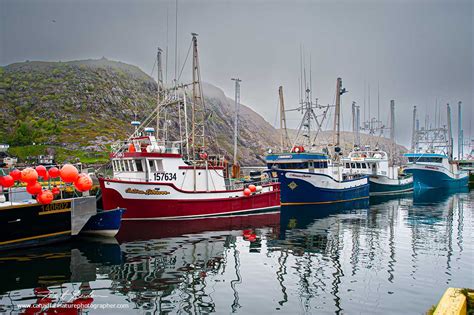
Fish Processing Equipment Financing in Atlantic Canada
Introduction: the fastest way to fund plant upgrades without choking cash flow
Fish and seafood processing in Canada is concentrated in coastal regions—and the Atlantic accounts for the majority of processing facilities. (dfo-mpo.gc.ca) That concentration creates a familiar reality for operators in Nova Scotia, New Brunswick, PEI, and Newfoundland & Labrador: seasonal volumes, tight labour, long lead times for parts, and a cold-chain that can’t fail.
If you’re upgrading a line, adding capacity, or replacing aging refrigeration, you usually don’t need a “loan lecture.” You need to know:
- What equipment can be financed (and what stalls approvals)
- How to structure payments around seasonality
- What underwriters actually look for (so you don’t waste weeks)
- How GST/HST and PST affect your monthly payment
- How to avoid expensive short-term funding traps
This is a leasing-first guide built for Atlantic processors—written the way a credit team thinks, but in plain language.
Why financing is different in Atlantic fish processing
edit score.
Here are four local factors that change the advice (and the deal structure):
- Seasonal landings and production peaks
Many plants have intense windows (lobster, crab, shrimp, pelagics, aquaculture harvest cycles). Lenders will ask how you cover payments in the off-season. - Port + freight reality
Your distribution lanes (Halifax, Saint John, St. John’s, smaller harbours) and reefer capacity matter. Cold-chain disruptions can turn into chargebacks or rejected loads quickly. - CFIA readiness is operational risk
If you require a licence or export certificates, lenders see “regulatory readiness” as part of your ability to generate revenue. CFIA licensing under SFCR is a real gating item for many food businesses. (Canadian Food Inspection Agency) - Labour constraints and automation ROI
Atlantic processing is often labour-tight; automation can make sense, but underwriters will want to see that your throughput assumptions are realistic (not brochure math). A labour-market study also highlights workforce pressure in the Atlantic fish and seafood sector. (Food Processing Skills Canada (FPSC))
The leasing-first approach: why most processors fund equipment with leases
Key point: For processing equipment, lease structure usually matters more than “rate.” Leasing can match payments to the period you use the asset and preserve working capital for inventory and payroll.
If you’re still weighing the basics, these two internal guides lay the foundation:
- Understand the cash flow tradeoffs in lease vs buy for equipment in Canada (related financing guide)
- Compare structures in leasing vs financing in Canada (related financing guide)
For Atlantic processors specifically, leasing helps because it can be structured to fit:
- seasonal peaks and slow months,
- installation lead times,
- commissioning and CFIA readiness,
- and sometimes multi-asset projects (line + refrigeration + packaging).
What fish processing equipment can be financed in Atlantic Canada?
Key point: Most “hard” equipment with clear invoices, identifiable models/serials, and resale value can be financed—especially when it’s mission-critical to throughput or compliance.
Typical financeable categories include:
- Primary processing: graders, sorters, deheaders, filleting lines, pin-boners, skinning, trimming stations
- Value-add: portioning, forming, battering/breading, glazing, marinating systems
- Freezing & chilling: IQF tunnels, plate freezers, blast freezers, chillers
- Packaging: vacuum sealers, thermoformers, tray sealers, MAP systems, labelers, checkweighers, metal detectors/X-ray
- Material handling: conveyors, tote washers, bin dumpers, pallet wrappers
- Cold-chain infrastructure: compressors, evaporators, condensers, insulated panels (case-by-case), dock equipment
- Sanitation & water: CIP systems, foamers, washdown systems, filtration (case-by-case)
What often slows approvals:
- “Soft costs” bundled as vague services
- Used equipment without a clean bill of sale, serials, or verifiable condition
- Projects with unclear installation/commissioning responsibility
- Assets too specialized to resell (higher loss risk)
Quick reference table: equipment type vs underwriting focus (Atlantic reality)
The underwriter’s lens: how approvals really work (the 5Cs)
Key point: Credit teams approve repayment first and equipment second. In fish processing, seasonality makes “capacity” the centre of the file.
Character
Do you pay obligations on time? Are filings current? Are explanations straightforward? Surprises kill deals late.
Capacity
Can the business service the payment in a weak month? Underwriters look at:
- seasonality in deposits,
- payroll spikes,
- inventory swings,
- customer concentration.
Capital
Do you have reserves or down payment capacity? In seasonal businesses, “capital” often means working capital buffer more than equity on paper.
Collateral
How easy is the equipment to resell if things go sideways? Standard, broadly used equipment is easier than niche machinery.
Conditions
What’s happening in the industry and in rates? The Bank of Canada held the overnight rate at 2.25% as of Dec 10, 2025, which influences pricing across lenders. (Bank of Canada)
The Atlantic seasonality problem (and how to structure around it)
Key point: The biggest approval mistake is choosing a payment that only works in your best months.
Lenders get uncomfortable when:
- your “busy season” deposits are strong but the off-season is thin,
- you rely on one buyer or one species cycle,
- or you’re adding fixed payments while inventory is tying up cash.
Structures that often work better for processors
- Seasonal step payments: lower in off-season, higher in peak season
- Skip-payment options: planned skips aligned with known slow months
- Staged funding: payments start when equipment is delivered/accepted, not when ordered
- Blended schedules: faster term on high-obsolescence items, longer term on longer-life infrastructure
If you want a practical explanation of how pricing and structure interact, see equipment lease rates in Canada (and what really changes the quote) (related financing guide).
BDC’s equipment-financing guide emphasizes the complete financing structure when comparing offers.
“Don’t focus only on interest rates”
For the equipment decision discussed here, compare the amount financed, payment schedule, collateral and remaining obligations alongside the quoted rate.
CFIA, export readiness, and “financeability”
Key point: For many seafood businesses, CFIA readiness isn’t paperwork—it’s revenue continuity, and lenders underwrite it that way.
CFIA notes that under the Safe Food for Canadians Regulations (SFCR) certain food businesses need a licence to conduct specific activities, and applications run through My CFIA. (Canadian Food Inspection Agency) CFIA also publishes commodity-specific guidance for fish under SFCR. (Canadian Food Inspection Agency)
What this means for your financing file:
- If you’re exporting or interprovincial shipping, expect questions about licensing/certificates.
- If you’re doing a major line change, lenders may ask how downtime is managed.
- If compliance upgrades are part of the project (metal detect, traceability), that can actually strengthen the story—because it protects revenue.
Taxes: GST/HST, PST, and why your payment is higher than the quote
Key point: A lease quote is usually “payment + tax.” In Atlantic Canada, that cash-flow detail matters.
To model correctly, start with Mehmi’s guide on GST/HST on equipment leases in Canada (related financing guide). If you operate across provinces or have multi-site equipment movement, add the province-by-province reality using PST on equipment purchases by province (related financing guide).
(Always confirm with your accountant—especially for mixed-use assets, construction components, and complex installs.)
New equipment vs used equipment in Atlantic processing
Key point: Used equipment can be financeable, but only when the paper trail is clean and the asset is verifiable.
For approvals, “used” becomes a risk when:
- serial numbers are missing,
- ownership is unclear (liens, unpaid vendors),
- condition is unknown,
- or the vendor is informal.
A clean used deal usually includes:
- bill of sale with full seller details,
- serials, model numbers, photos,
- service/maintenance records,
- and a credible valuation reference.
Sale-leaseback: unlock capital from equipment you already own
Key point: If you’re cash-tight because inventory and payroll spike in-season, sale-leaseback can turn existing equipment equity into working capital—without stopping production.
How it works:
- You sell owned equipment to a financing partner and lease it back.
- You keep using it; the cash becomes liquidity for upgrades, payroll, inventory, or repairs.
Start here:
- Sale-leaseback financing in Canada (how it works) (related financing guide)
- Sale-leaseback tax implications in Canada (related financing guide)
This approach is especially relevant in the Atlantic where working capital swings are normal and timing matters more than “perfect” financial statements.
Documentation checklist: what to bring so you don’t lose weeks
Key point: Most delays come from missing documents and unclear scopes, not from “bad credit.”
Bring a lender-ready package:
Equipment package
- itemized quote/invoice (make/model, quantities, serials if available)
- install scope: who installs, where, and when
- power/cooling requirements (for refrigeration/freezing upgrades)
- warranty/service plan (especially for automation)
Business package
- incorporation + ownership structure
- recent financials (if available)
- 3–6 months bank statements (common when statements lag)
- A/R aging and customer list if concentration is high
- short explanation of seasonality + your plan for off-season coverage
Conditions precedent (what must be true before funding)
Expect “funding guardrails” like insurance, delivery/acceptance confirmation, and signed documents. Treat these as normal—not a red flag.
“Offer checker”: is this a good financing offer for a processor?
Key point: The right deal is the one you can survive in your worst month—and exit cleanly when you upgrade.
Use this checklist before you sign:
- Affordability: Does the payment still work in the slow season?
- End-of-term plan: FMV vs $1 buyout—does it match how long you’ll keep the asset?
- Fees: Are doc/admin fees and any broker fees disclosed clearly?
- Early payout math: Is payout reasonable if you need to refinance or sell?
- Install timing: Do payments start at order date or acceptance date?
- Insurance requirements: Clear and realistic for cold-chain assets?
If you’re comparing multiple offers or want a second set of eyes, the “what a good broker does” guide is here: Top equipment financing brokers in Canada (related financing guide).
Industry context that matters to lenders (Atlantic-specific)
Key point: Lenders price and approve based on industry conditions—so your file improves when you show you understand them.
A few credibility anchors you can cite in your internal planning:
- DFO reports that 55% of seafood processing facilities are in the Atlantic, reflecting the region’s concentration and importance. (dfo-mpo.gc.ca)
- Statistics Canada reported growth in farmed Atlantic salmon export quantities and values in 2024, highlighting strong demand in certain segments (especially U.S. export exposure). (Statistics Canada)
- Job Bank’s Atlantic sector profile notes fishing/seafood processing as a meaningful slice of regional output. (Job Bank)
You don’t need to “sell” these stats to a lender—but referencing market reality helps your story feel grounded.
Anonymous case study: a seasonal lobster processor funds an IQF upgrade without breaking the off-season
Key point: The win is not approval—it’s a structure that survives the off-season and funds fast enough to hit the season.
Business: Atlantic Canada seafood processor (anonymous), multi-year operating history
Need: Add an IQF freezing tunnel and packaging upgrades to reduce bottlenecks and improve export-ready throughput
Challenge: Bank was slow and cautious because cash flow was seasonal and payroll/inventory spiked hard in peak months
What we did (the 5Cs in action):
- Capacity: Built a “worst-month” model using prior off-season bank statements and set a strict payment ceiling.
- Capital: Kept cash reserves intact by choosing a leasing structure rather than a large upfront purchase.
- Collateral: Financed standard, widely used equipment with a clean vendor paper trail and service plan.
- Conditions: Structured payments with a seasonal-friendly approach so the off-season wasn’t a squeeze.
Result: The plant upgraded in time for the busy window, improved throughput, and avoided the common trap: financing that only works when landings are at their peak.
Calm CTA
If you’re upgrading fish processing equipment in Atlantic Canada and want a lease-first structure that fits your seasonality (and doesn’t rely on your best month to work), Mehmi Financial Group can help you package the file, choose the right term/buyout, and keep the project financeable from quote to funding.
For broader context on funding options (without defaulting to the bank), start with Best business loans in Canada for equipment (and when a lease is better) (related financing guide) and the business loan guide for Canadian operators (related financing guide).
Authoritative references
- Innovation, Science and Economic Development Canada — Canada Small Business Financing Program:
The Canada Small Business Financing Program makes it easier for small businesses to get loans from financial institutions by sharing the risk with lenders.
Program eligibility, lender criteria, tax treatment, and product terms can change. Verify current official guidance and final financing documents before making a decision.
FAQ (Canada-specific, Atlantic-focused)
1) Can I finance used fish processing equipment in Atlantic Canada?
Often yes, but approvals depend on clean documentation: bill of sale, serial numbers, clear ownership (no liens), and verifiable condition. Informal private deals are where files stall.
2) What lease term is best for processing equipment?
It depends on useful life and seasonality. Packaging and automation often fit 36–60 months; refrigeration upgrades may justify longer only if the equipment life supports it. The best term is the one you can pay in the slow season.
3) Do I need a CFIA licence to finance equipment?
A lender doesn’t “require” a CFIA licence for every deal, but if your revenue depends on regulated activities (especially interprovincial/export), lenders will ask how you stay compliant. CFIA licensing under SFCR is a key operational gating factor for many food businesses. (Canadian Food Inspection Agency)
4) How does seasonality affect approval?
Seasonality isn’t a deal killer—ignoring it is. Build payments around off-season cash flow, use step/skip structures where appropriate, and show how you manage inventory and payroll spikes.
5) Will GST/HST be added to my lease payment?
Typically yes—lease payments are usually quoted “plus tax.” Model the after-tax payment using GST/HST on equipment leases (related financing guide).
6) What’s the smartest way to fund upgrades if cash is tight?
If you own equipment outright, sale-leaseback can unlock working capital while keeping the asset in operation. Start with sale-leaseback financing (related financing guide) and review tax implications (related financing guide).